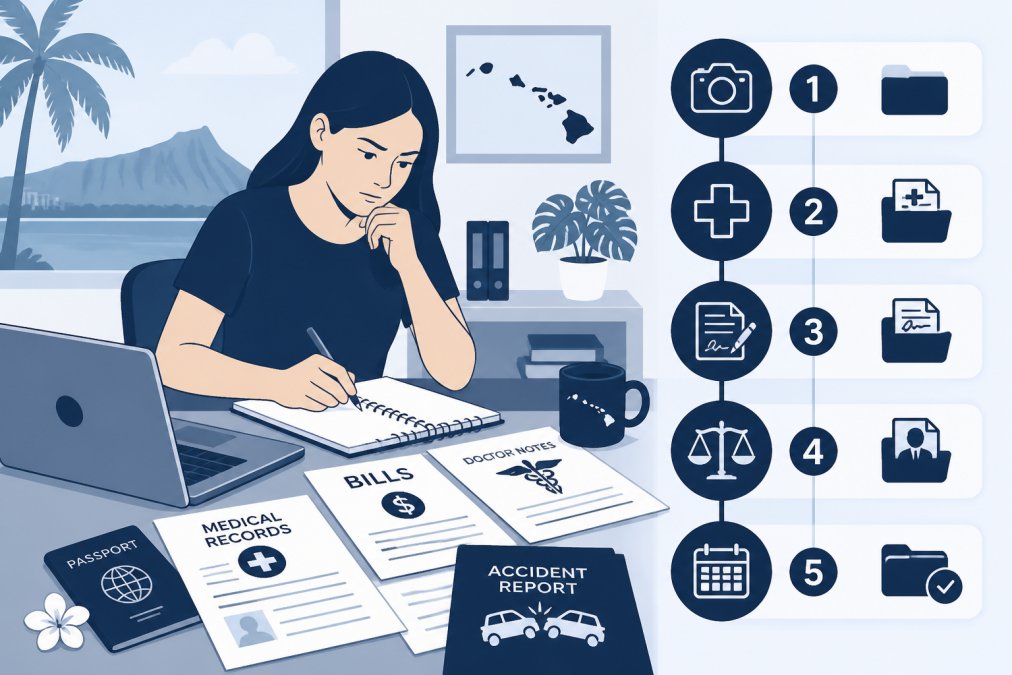
Medical Malpractice Claim Timeline: Hawaii Guide

Table of Contents

Last Updated: August 22, 2026

Understanding the Medical Malpractice Claim Timeline in Hawaii

When injured due to a healthcare provider’s negligence, understanding the medical malpractice claim timeline in Hawaii is critical. The process involves statutory deadlines, mandatory pre-litigation panels, discovery phases, and potential settlement or trial.

The timeline typically spans 18 months to several years, depending on case complexity. Hawaii’s unique requirement is the mandatory Medical Inquiry and Conciliation Panel (MICP) process, which must occur before filing a lawsuit. Hawaii ranks fifth nationally for medical malpractice claim rates, with 87 medical malpractice payment reports per 1,000 practitioners, 71% higher than the national average of 51 (npdb.hrsa.gov). From 2020 to 2023, the state averaged 17.54 malpractice incidents per 1,000 practitioners (npdb.hrsa.gov). In 2023 alone, Hawaii saw 44 medical malpractice cases, the highest year in the 1990-2024 period.

This guide breaks down every phase so you understand what’s ahead and can prepare accordingly.

Statute of Limitations for Medical Malpractice in Hawaii

The statute of limitations is your legal deadline to file a claim. Miss it, and you lose your right to pursue compensation forever.

The Two-Year Discovery Rule

You generally have two years from the date you discovered (or reasonably should have discovered) the injury to file a lawsuit. Your clock doesn’t start on the negligent act itself, but when you knew or should have known you were injured by medical negligence. If a surgeon leaves a surgical instrument inside you but you don’t discover it for six months, your two-year window begins when you discover the object, not when the surgery happened.

Courts interpret "should have discovered" as when a reasonable person would have realized something was wrong. Persistent pain after a procedure or unexpected complications may start the clock even if you didn’t immediately connect it to negligence.

The Six-Year Statute of Repose

Hawaii imposes an absolute deadline: no claim may be brought more than six years after the act or omission that caused the injury, with limited exceptions. This acts as a backstop even if you haven’t discovered your injury yet. You could theoretically discover an injury five years after it occurred, giving you only one year to file before the six-year repose deadline expires. Early legal consultation is critical to ensure your claim remains viable.

Special Rules for Minors and Incapacitated Persons

For minors, the discovery rule typically doesn’t start until you turn 18, meaning a child injured at age 10 would have two years from their 18th birthday to file (until age 20), provided the six-year repose hasn’t expired. For incapacitated persons legally unable to manage their affairs, the clock may be tolled (paused) during incapacity and resumes once capacity is restored or a guardian is appointed.

The Medical Inquiry and Conciliation Panel Process

Before filing a lawsuit in Hawaii, your claim must go through the Medical Inquiry and Conciliation Panel (MICP). This unique pre-litigation requirement filters out frivolous claims and encourages early settlement. While the panel’s decision isn’t binding, it carries weight in negotiations and influences whether your case proceeds to court.

Filing Requirements and Timeline

To initiate the MICP process, you need a certificate of consultation from a qualified physician confirming a reasonable and meritorious basis for your claim. Once you have the certificate, you file your complaint with the MICP. The provider has typically 30 days to respond.

The entire MICP process usually takes 90 to 120 days from filing to resolution. During this period, both sides prepare their positions, and the panel reviews evidence to determine whether negligence likely occurred.

Panel Review and Resolution

The MICP consists of a judge, a physician in the same specialty as the defendant, and a third member. They review written submissions, medical records, and expert opinions from both sides, then issue a recommendation. If they find negligence likely occurred, it strengthens your negotiating position and often leads to settlement. If they find negligence unlikely, the defendant may argue for dismissal or a lower offer. However, you can still file a lawsuit if you disagree.

Many cases settle during or immediately after the MICP process because both sides see the panel’s likely recommendation and adjust positions accordingly.

Steps in a Medical Malpractice Lawsuit

If your case doesn’t settle through the MICP process, you’ll enter formal litigation, where the timeline extends significantly.

Medical malpractice attorney in professional office reviewing medical documents and records with patient at desk, natural office lighting

Initial Consultation and Case Evaluation

Your attorney evaluates your case by reviewing medical records, consulting with medical experts, and determining whether you have a viable claim. This phase typically takes 2-4 weeks and involves identifying the standard of care, how it was breached, and what damages resulted. Your attorney will explain the process, timeline, and realistic outcomes.

Filing the Complaint

Once you decide to proceed, your attorney files a formal complaint in court naming the defendant(s), describing the negligent acts, explaining injuries and damages, and requesting compensation. The defendant has typically 20-30 days to respond with an answer, motion to dismiss, or counterclaim.

Settlement vs. Trial Timeline Breakdown

Most medical malpractice cases settle before trial. The average settlement takes 18-36 months from initial consultation to final agreement, though timelines vary based on case complexity.

Settlement Timeline: Early settlement typically takes 6-12 months. Mid-process settlement (during discovery) takes 12-24 months. Late settlement (just before or during trial) can extend to 24-36 months or longer.

Trial Timeline: If your case goes to trial, add 6-12 additional months after discovery concludes. Post-trial motions and appeals add even more time.

From 2018-2023, the average payout for medical malpractice in Hawaii was $633,860 based on 215 payments (npdb.hrsa.gov). In 2023, the average was $490,000 across 46 cases. In 2024, there were 41 payments with an average of $393,963 per case.

The Discovery Phase in Medical Malpractice Cases

Discovery is where both sides exchange evidence. It’s the longest litigation phase and where your attorney builds the case for settlement or trial.

Medical Records and Expert Testimony

Your attorney will obtain all relevant medical records from the defendant provider and any other healthcare providers involved in your care. These records form the foundation of your case and include office notes, test results, imaging, surgical reports, discharge summaries, and medication records.

Expert testimony is equally critical. Your attorney will retain medical experts in the defendant’s specialty to review records and provide opinions on whether the standard of care was breached. The defendant will do the same. These expert opinions directly influence settlement value and trial outcomes.

The discovery phase typically lasts 6-12 months, though complex cases extend longer. Both sides exchange documents, interrogatories, and requests for admissions. Your attorney will prepare you for depositions.

Depositions and Pre-Trial Discovery

Depositions are formal interviews conducted under oath. Your deposition will likely occur, as will depositions of the defendant healthcare provider, witnesses, and expert witnesses. Each can take several hours.

Pre-trial discovery includes expert reports detailing findings, opinions, and their basis. These are critical to settlement negotiations because both sides can evaluate expert testimony strength and evidence quality. Many cases settle once both sides see the evidence, as settlement discussions often intensify.

What Constitutes Medical Negligence

To win a medical malpractice claim, you must prove four elements: duty, breach, causation, and damages.

Breach of Duty and Standard of Care

Healthcare providers have a duty to provide care meeting the standard of care in their specialty, what a reasonably competent provider would do under similar circumstances. A breach occurs when the provider falls below that standard, such as misdiagnosis, surgical errors, failure to obtain informed consent, prescribing contraindicated medication, failure to monitor patients, or failure to refer to specialists.

Proving breach requires expert testimony from a physician in the same specialty confirming the defendant’s actions fell below accepted standards.

Causation and Damages

Causation means the breach directly caused your injury. If you had a pre-existing condition, the defendant may argue their negligence didn’t cause the harm. Your expert must establish that the breach more likely than not caused the injury.

Damages are measurable harms: medical expenses, lost wages, pain and suffering, permanent disability, or death. In Hawaii, non-economic damages (pain and suffering) are capped at $375,000 by statute. Economic damages (medical bills, lost income) are not capped.

Call for a consultation! →

Damages Available in Medical Malpractice Claims

Understanding available compensation helps you evaluate settlement offers and set realistic expectations.

Compensatory Damages and Non-Economic Damage Caps

Compensatory damages include:

Economic Damages: All measurable financial losses, past and future medical expenses, lost wages, rehabilitation costs, home care, medical equipment, and ongoing treatment.

Non-Economic Damages: Pain and suffering, emotional distress, loss of enjoyment of life, and permanent scarring or disfigurement. Hawaii caps these at $375,000 per claim, regardless of severity. This cap significantly affects settlement value.

Punitive Damages

Punitive damages are rare and awarded only when conduct was grossly negligent or intentional, far beyond simple negligence. Most medical malpractice cases don’t qualify, so don’t count on them in settlement expectations.

Timeline Factors and How to Prepare

Several factors influence how long your case takes.

Close-up of hands organizing and reviewing medical documents, files, and records on table with clipboard and pen

Case Complexity: Simple cases with clear negligence settle faster. Complex cases involving multiple providers or unclear causation take longer.

Court Backlogs: Hawaii courts face backlogs from COVID-19 disruptions. Trial scheduling takes longer than pre-pandemic.

Willingness to Settle: If both sides are motivated to settle, timelines shorten. If either side is entrenched, litigation extends.

Expert Availability: Retaining qualified experts takes time. Coordinating schedules for depositions and trial adds months.

Evidence Preservation: Act quickly to preserve evidence. Some medical records may be archived, summarized, or overwritten. Your attorney should send preservation letters immediately.

Gathering Medical Records Checklist

Start organizing your medical records immediately:

  • All medical records from the provider you’re suing
  • Records from any other providers involved in your care
  • Hospital admission and discharge summaries
  • Medication lists and prescription records
  • Insurance explanation of benefits (EOB) statements
  • Bills and receipts for medical expenses paid out-of-pocket
  • Records of lost wages
  • Correspondence with the provider or their insurance company
  • Personal journal documenting symptoms, pain levels, and daily life effects
  • Photographs of visible injuries (if applicable)
  • Names and contact information for witnesses

Organizing these early helps your attorney evaluate your case quickly and demonstrates you’re serious about pursuing the claim, which motivates settlement discussions.


The medical malpractice claim timeline in Hawaii is complex, but you don’t have to navigate it alone. Cummings Law has recovered over $47 million for clients in recent years by thoroughly investigating claims, securing strong expert testimony, and aggressively negotiating settlements. If you’ve suffered injuries due to a healthcare provider’s negligence, contact us for a consultation. We work on contingency, meaning you pay no attorney fees or court costs unless we recover compensation for you. Call today to discuss your case with an attorney who understands Hawaii’s unique legal requirements and is committed to fighting for the compensation you deserve.

=== FAQ ANSWERS (audit these too, same rules) ===

[1] Q: What is the statute of limitations for medical malpractice in Hawaii?
A: In Hawaii, you generally have two years from the date you discovered the injury, or reasonably should have discovered it, to file a medical malpractice claim. However, no claim may be brought more than six years after the act or omission that caused the injury, with limited exceptions. This six-year statute of repose is a hard deadline that applies regardless of when you discovered the harm. For minors, the timeline is more complex and may extend beyond these standard deadlines. Consulting an attorney promptly is essential to protect your rights.

[2] Q: Does the medical inquiry and conciliation panel process add time to a medical malpractice claim?
A: Yes, the Medical Inquiry and Conciliation Panel (MICP) process is a mandatory pre-litigation requirement in Hawaii that adds time before you can file a lawsuit. This panel reviews your claim to assess whether there is a reasonable and meritorious basis for proceeding. While the panel’s decision is not binding, the process itself takes additional weeks or months. This is one reason why starting your case early is critical, the MICP process must be completed before formal litigation can begin, adding a significant procedural step to your overall timeline.

[3] Q: How long does the discovery phase typically last in a medical malpractice case?
A: The discovery phase in medical malpractice cases typically lasts several months to over a year, depending on case complexity. During discovery, both sides exchange medical records, expert reports, and other evidence; conduct depositions; and request interrogatories. Complex cases with multiple injuries or intricate medical issues take longer. In Hawaii, discovery timelines are also affected by current court backlogs. Your attorney can provide a more specific estimate based on your case’s particular circumstances and the defendant’s responsiveness.

[4] Q: How long does it take to get paid from a medical malpractice settlement in Hawaii?
A: Settlement timelines vary widely. Some cases settle within 6 to 12 months of filing, while others take 2 to 3 years or longer if trial is necessary. Once a settlement is reached, payment typically occurs within 30 to 60 days after all paperwork is finalized. If your case goes to trial, you must wait for a verdict, which can add months or years. From 2020 to 2023, Hawaii averaged 17.54 malpractice incidents per 1,000 practitioners, reflecting the volume of cases in the system. Early consultation with an experienced attorney helps set realistic expectations for your specific situation.

[5] Q: What happens if I wait too long to contact a medical malpractice attorney?
A: Waiting too long risks losing your right to file a claim entirely. Hawaii’s two-year discovery rule and six-year statute of repose are hard deadlines. Additionally, evidence degrades over time, medical records may be archived or summarized, electronic data can be overwritten, and witnesses’ memories fade. Early action is crucial for preserving evidence and meeting filing deadlines. If you’ve already waited several months, do not delay further. Contact an attorney immediately to determine whether your case is still viable and what steps must be taken to protect your rights.

[6] Q: What constitutes medical negligence in Hawaii?
A: Medical negligence occurs when a healthcare provider breaches the standard of care owed to you, causing injury. The standard of care is what a reasonably competent medical professional would do under similar circumstances. To prove negligence, you must show: (1) the provider owed you a duty of care, (2) they breached that duty through negligent action or omission, (3) their breach directly caused your injury (proximate cause), and (4) you suffered measurable damages. Expert testimony is required to establish what the standard of care was and how it was breached. This rigorous legal standard is why securing experienced representation is essential.

[7] Q: Can I sue for emotional distress in Hawaii if I suffered medical malpractice?
A: Yes, you can claim damages for pain and suffering and emotional distress in Hawaii medical malpractice cases. However, non-economic damages such as pain and suffering are capped at $375,000 under Hawaii law. Economic damages for medical expenses, lost wages, and future care are not capped. This damage cap is important to understand when evaluating your case’s potential value. Your attorney can help you calculate both economic and non-economic damages to determine the full scope of compensation available to you.

[8] Q: Should I try to settle my medical malpractice case or go to trial?
A: Settlement and trial each have advantages and disadvantages. Settlement typically resolves faster (6 months to 2 years), provides certainty, and avoids the expense and stress of trial. However, you may receive less than a jury might award. Trial can result in higher compensation, including punitive damages in cases of gross negligence, but takes longer (2 to 5+ years), costs more, and carries the risk of losing entirely. Your attorney can advise whether the defendant’s settlement offer is reasonable based on comparable cases and the strength of your claim. Most medical malpractice cases settle, but some warrant trial.

Frequently Asked Questions

What is the statute of limitations for medical malpractice in Hawaii?

In Hawaii, you generally have two years from the date you discovered the injury, or reasonably should have discovered it, to file a medical malpractice claim. However, no claim may be brought more than six years after the act or omission that caused the injury, with limited exceptions. This six-year statute of repose is a hard deadline that applies regardless of when you discovered the harm. For minors, the timeline is more complex and may extend beyond these standard deadlines. Consulting an attorney promptly is essential to protect your rights.

Does the medical inquiry and conciliation panel process add time to a medical malpractice claim?

Yes, the Medical Inquiry and Conciliation Panel (MICP) process is a mandatory pre-litigation requirement in Hawaii that adds time before you can file a lawsuit. This panel reviews your claim to assess whether there is a reasonable and meritorious basis for proceeding. While the panel's decision is not binding, the process itself takes additional weeks or months. This is one reason why starting your case early is critical, the MICP process must be completed before formal litigation can begin, adding a significant procedural step to your overall timeline.

How long does the discovery phase typically last in a medical malpractice case?

The discovery phase in medical malpractice cases typically lasts several months to over a year, depending on case complexity. During discovery, both sides exchange medical records, expert reports, and other evidence; conduct depositions; and request interrogatories. Complex cases with multiple injuries or intricate medical issues take longer. In Hawaii, discovery timelines are also affected by current court backlogs. Your attorney can provide a more specific estimate based on your case's particular circumstances and the defendant's responsiveness.

How long does it take to get paid from a medical malpractice settlement in Hawaii?

Settlement timelines vary widely. Some cases settle within 6 to 12 months of filing, while others take 2 to 3 years or longer if trial is necessary. Once a settlement is reached, payment typically occurs within 30 to 60 days after all paperwork is finalized. If your case goes to trial, you must wait for a verdict, which can add months or years. From 2020 to 2023, Hawaii averaged 17.54 malpractice incidents per 1,000 practitioners, reflecting the volume of cases in the system. Early consultation with an experienced attorney helps set realistic expectations for your specific situation.

What happens if I wait too long to contact a medical malpractice attorney?

Waiting too long risks losing your right to file a claim entirely. Hawaii's two-year discovery rule and six-year statute of repose are hard deadlines. Additionally, evidence degrades over time, medical records may be archived or summarized, electronic data can be overwritten, and witnesses' memories fade. Early action is crucial for preserving evidence and meeting filing deadlines. If you've already waited several months, do not delay further. Contact an attorney immediately to determine whether your case is still viable and what steps must be taken to protect your rights.

What constitutes medical negligence in Hawaii?

Medical negligence occurs when a healthcare provider breaches the standard of care owed to you, causing injury. The standard of care is what a reasonably competent medical professional would do under similar circumstances. To prove negligence, you must show: (1) the provider owed you a duty of care, (2) they breached that duty through negligent action or omission, (3) their breach directly caused your injury (proximate cause), and (4) you suffered measurable damages. Expert testimony is required to establish what the standard of care was and how it was breached. This rigorous legal standard is why securing experienced representation is essential.

Can I sue for emotional distress in Hawaii if I suffered medical malpractice?

Yes, you can claim damages for pain and suffering and emotional distress in Hawaii medical malpractice cases. However, non-economic damages such as pain and suffering are capped at $375,000 under Hawaii law. Economic damages for medical expenses, lost wages, and future care are not capped. This damage cap is important to understand when evaluating your case's potential value. Your attorney can help you calculate both economic and non-economic damages to determine the full scope of compensation available to you.

Should I try to settle my medical malpractice case or go to trial?

Settlement and trial each have advantages and disadvantages. Settlement typically resolves faster (6 months to 2 years), provides certainty, and avoids the expense and stress of trial. However, you may receive less than a jury might award. Trial can result in higher compensation, including punitive damages in cases of gross negligence, but takes longer (2 to 5+ years), costs more, and carries the risk of losing entirely. Your attorney can advise whether the defendant's settlement offer is reasonable based on comparable cases and the strength of your claim. Most medical malpractice cases settle, but some warrant trial.

This article was written using GrandRanker

Why Hire a Local Hawaii Injury Attorney

Table of Contents

Last Updated: August 25, 2026

When you’re injured due to someone else’s negligence in Hawaii, the legal system operates differently than the mainland, and those differences matter enormously for your case. Hawaii’s legal landscape is structurally different: the state has a smaller legal community concentrated on Oahu, unique procedural rules, local judges with established patterns, and a legal culture shaped by island dynamics. Insurance companies operating here know these patterns intimately and have teams of adjusters and defense attorneys who work the same courts year after year.

The courts themselves operate under specific procedural rules that differ from federal courts and other states. Discovery timelines, motion practices, and trial procedures in Hawaii have quirks that only local practitioners encounter regularly. A mainland attorney might know general personal injury principles, but they won’t know that specific judges tend to grant summary judgment motions in certain cases at higher rates, or that insurance adjusters respond differently to demand letters across the islands.

Hawaii’s economy runs on tourism, military presence, and local business. Juries here have different perspectives than mainland juries. They understand the island lifestyle, cost of living, medical care access, and the impact of injuries on people who may not have mainland family support systems. A local attorney knows how to frame cases in ways that resonate with Hawaii jurors.

Statute of Limitations for Personal Injury Claims in Hawaii

You have two years from the date of your injury to file a personal injury lawsuit in Hawaii, as established by Hawaii Revised Statutes ยง 657-7. Two years sounds like plenty of time, but it passes faster than most people expect, and the statute of limitations doesn’t pause while you’re negotiating with insurance companies or gathering medical records.

If you miss that deadline, your case is gone. Period. There are narrow exceptions for minors and cases where the injury wasn’t immediately discovered, but those exceptions are limited and complex. This is why waiting too long before consulting with a local Hawaii injury attorney is dangerous. You need someone who understands these deadlines, tracks them meticulously, and knows how to preserve your rights before time runs out.

Many people settle directly with insurance companies without understanding their full damages. By the time they realize they need a lawyer, months have passed. A local attorney can review your case immediately, assess whether your settlement offer is fair, and if necessary, file a lawsuit before the statute of limitations expires. The statute of limitations also affects evidence preservation, the longer you wait, the harder it becomes to gather witness statements, preserve video footage, and document scene conditions.

How Local Knowledge Impacts Your Case Outcome

Professional attorney reviewing case documents and evidence at a desk with legal files and a laptop in a modern office setting with natural lighting

Local knowledge determines whether you receive a mediocre settlement or one that actually covers your damages. It’s not just about knowing the law, but understanding how that law operates in practice within Hawaii’s specific courts and communities.

Local knowledge also means understanding Hawaii’s medical landscape. The state has a limited number of specialists, and a local attorney knows which ones are respected by judges and juries, which ones insurance companies trust, and which ones have credibility gaps. Geography itself creates unique considerations: if you’re injured on the Big Island and the defendant is based on Oahu, your case involves inter-island travel and different court procedures. A local firm handles these complications routinely.

Hawaii follows a modified comparative negligence standard, which means you can recover damages even if you were partially at fault for your injury, as long as your percentage of fault doesn’t exceed 50%, as established by Hawaii Revised Statutes ยง 663-31. However, your compensation gets reduced by your fault percentage.

Insurance companies weaponize comparative negligence arguments, claiming you were 40%, 45%, or even 51% at fault, even in cases where their own driver clearly caused the accident. They’re betting you don’t understand the law well enough to push back effectively. A local Hawaii injury attorney knows how insurance adjusters typically frame these arguments and which ones judges routinely reject.

The math matters significantly. If your actual damages are $100,000 and the insurance company argues you’re 30% at fault, you’d recover $70,000. But if a skilled attorney can reduce your assigned fault to 10%, you recover $90,000. That $20,000 difference comes from understanding how local courts evaluate comparative negligence claims. Insurance companies often propose settlements that assume higher comparative negligence percentages than are actually defensible, and a local attorney recognizes these lowball offers immediately.

How to Choose a Personal Injury Lawyer in Hawaii

Client and attorney shaking hands during a consultation in a professional law office with legal documents and diplomas visible on the walls

Choosing the right attorney is one of the most important decisions you’ll make after an injury. First, verify they actually practice personal injury law in Hawaii. Ask directly: what percentage of your practice is personal injury litigation? How many jury trials have you taken to verdict in the past three years? How many cases have you settled above $500,000 in the past five years?

Second, understand their fee structure. Most legitimate personal injury attorneys work on contingency, meaning they only get paid if you win your case or secure a settlement. However, contingency arrangements vary. Some firms charge 33% of recovery, others charge 40% or more. Some have different percentages depending on whether the case settles or goes to trial. At Cummings Law, we operate on a contingency basis with no upfront fees or court costs until your case is resolved, you only pay if we win.

Third, ask about their experience with your specific type of injury. Hawaii has attorneys who specialize in different injury types, and you benefit from that specialization. Fourth, evaluate their local connections and reputation. Do they know the judges? Have they worked with the medical experts you’ll need? These connections matter enormously in Hawaii’s smaller legal market. local hiring benefits.

Finally, trust your instincts about communication and respect. You’re hiring someone to advocate for you during a vulnerable time. They should listen carefully, explain things clearly, and treat you with genuine respect.

Contingency Fee Agreement Explained

A contingency fee agreement means your attorney only gets paid if you win your case or reach a settlement. You pay nothing upfront, no retainer, no hourly fees, no initial consultation charges. Your attorney advances all costs associated with your case, filing fees, expert witness fees, medical record retrieval, investigator costs, court reporter fees, and other expenses. If your case is unsuccessful, you owe nothing. If you win, the attorney takes a percentage of your recovery (typically 33-40%) and recoups their advanced costs from the settlement or judgment.

Call for a consultation! →

This arrangement removes financial barriers to hiring quality legal representation. You don’t need to save money for attorney fees while recovering from injuries and facing medical bills. However, you need to understand the specific terms of your agreement. Ask: What percentage does the firm take if the case settles before trial versus going to trial? Are costs advanced by the firm or billed to you? If costs are billed to you, are they deducted from your recovery or do you owe them separately if you lose? These details vary between firms and prevent surprises later.

Local Representation for Visitors and Residents

Hawaii’s status as a major tourism destination creates specific legal considerations depending on whether you’re a resident or visitor. If you’re a visitor injured in Hawaii, you have the right to file a personal injury lawsuit in Hawaii courts regardless of where you live. However, your case involves additional complexity: you’ll need to return to Hawaii for depositions and potentially trial, you may not have local medical records, and you might struggle to remember specific details about the accident scene.

A local Hawaii injury attorney handles these complications routinely. They can manage the logistics of your case while you’re back on the mainland, arrange for local medical evaluation if needed, and represent your interests aggressively without requiring your constant presence.

For residents, the advantages of local representation are equally significant. You’re familiar with Hawaii’s roads and community context, but you still benefit enormously from an attorney who knows local judges, understands Hawaii’s specific negligence rules, and has relationships with local experts. Residents also face unique insurance dynamics: if injured by another resident or local business, the defendant’s insurance company is likely based in Hawaii and has has established patterns for evaluating claims. A local attorney knows these patterns and can use that knowledge in negotiations.

Conclusion

Choosing whether to hire a local Hawaii injury attorney isn’t really a choice at all, it’s the difference between recovering fair compensation and settling for whatever an insurance company offers. Hawaii’s legal landscape is unique, its courts operate under specific rules, its judges have established patterns, and its insurance companies know exactly how to exploit unfamiliar attorneys.

When you’ve suffered a serious injury due to someone else’s negligence, you deserve representation that understands this system completely. Cummings Law has recovered over $47 million for clients in recent years by combining deep knowledge of Hawaii’s legal landscape with aggressive advocacy and thorough case investigation. We operate on contingency, meaning you pay nothing unless we win. If you’re facing a personal injury claim, whether you’re a resident or visitor, call for a consultation. Let us show you what local expertise actually means.

=== FAQ ANSWERS (audit these too, same rules) ===

[1] Q: What is the statute of limitations for filing a personal injury lawsuit in Hawaii?
A: You generally have two years from the date of injury to file a personal injury claim in Hawaii. This deadline is critical because waiting too long can bar you from pursuing compensation entirely. Some exceptions exist, such as for minors or cases where the injury wasn’t immediately discovered, so consulting a local attorney quickly helps protect your rights and ensures you meet all filing deadlines.

[2] Q: How does a contingency fee agreement work, and why should I choose it?
A: A contingency fee agreement means your attorney only gets paid if you win your case or reach a settlement. You pay no upfront fees, court costs, or investigation expenses unless your case succeeds. This aligns your lawyer’s interests with yours, they’re motivated to maximize your compensation. It removes financial barriers for accident victims who are already struggling with medical bills and lost wages, making justice accessible regardless of your current financial situation.

[3] Q: Can a local Hawaii injury attorney represent me if I’m a visitor to the state?
A: Yes. Local Hawaii injury attorneys routinely represent visitors injured in the state. Hawaii’s legal system protects all accident victims within its jurisdiction, regardless of residency. A local attorney understands how tourism-related injuries are handled, knows the local court system, and can manage your case even if you return home. Many visitors benefit from local representation because mainland attorneys often refer cases to Hawaii counsel anyway, saving time and ensuring expert local guidance from the start.

[4] Q: How does hiring a local attorney improve my chances of winning a personal injury case?
A: Local attorneys understand Hawaii’s specific negligence laws, damage caps, insurance claim procedures, and court practices. They have established relationships with judges, medical providers, and insurance adjusters in the community. They know how local juries think and what evidence resonates in your area. This insider knowledge directly influences case strategy, settlement negotiations, and trial preparation.

Frequently Asked Questions

What is the statute of limitations for filing a personal injury lawsuit in Hawaii?

You generally have two years from the date of injury to file a personal injury claim in Hawaii. This deadline is critical because waiting too long can bar you from pursuing compensation entirely. Some exceptions exist, such as for minors or cases where the injury wasn't immediately discovered, so consulting a local attorney quickly helps protect your rights and ensures you meet all filing deadlines.

How does a contingency fee agreement work, and why should I choose it?

A contingency fee agreement means your attorney only gets paid if you win your case or reach a settlement. You pay no upfront fees, court costs, or investigation expenses unless your case succeeds. This aligns your lawyer's interests with yours, they're motivated to maximize your compensation. It removes financial barriers for accident victims who are already struggling with medical bills and lost wages, making justice accessible regardless of your current financial situation.

Can a local Hawaii injury attorney represent me if I'm a visitor to the state?

Yes. Local Hawaii injury attorneys routinely represent visitors injured in the state. Hawaii's legal system protects all accident victims within its jurisdiction, regardless of residency. A local attorney understands how tourism-related injuries are handled, knows the local court system, and can manage your case even if you return home. Many visitors benefit from local representation because mainland attorneys often refer cases to Hawaii counsel anyway, saving time and ensuring expert local guidance from the start.

How does hiring a local attorney improve my chances of winning a personal injury case?

Local attorneys understand Hawaii's specific negligence laws, damage caps, insurance claim procedures, and court practices. They have established relationships with judges, medical providers, and insurance adjusters in the community. They know how local juries think and what evidence resonates in your area. This insider knowledge directly influences case strategy, settlement negotiations, and trial preparation.

This article was written using GrandRanker

What Happens If a Lawsuit Loses: A Complete Guide

Table of Contents

Last Updated: August 24, 2026

What Happens Immediately After You Lose a Lawsuit

When a civil court verdict goes against you, the judge’s ruling becomes a binding court order establishing your liability and the amount owed. This marks a critical turning point from contested claims to enforceable obligation. The judgment doesn’t automatically withdraw money from your account; instead, it gives the winning party legal grounds to pursue collection through various enforcement mechanisms.

You’ll receive formal notice of the verdict within days, including the judgment amount, court findings, and your appeal rights. Many people assume the case ends with the judge’s decision, but the judgment is actually the beginning of a new phase with significant legal and financial consequences.

Watch Out
A judgment against you doesn’t disappear after a set period. It can remain on your record for many years and affect your creditworthiness, employability, and future borrowing ability. Acting quickly to understand your options, including appeal or settlement, is critical.

No Compensation for Damages If Your Personal Injury Lawsuit Loses

If you lose a personal injury lawsuit, you receive no compensation from the defendant. Whatever injuries you sustained, whatever medical bills you accumulated, whatever lost wages you endured, you bear all those costs yourself if the court rules against you.

The plaintiff carries the burden of proof in a personal injury case, demonstrating by a preponderance of the evidence that the defendant was negligent and caused their injuries (uscourts.gov). If the judge or jury finds the evidence insufficient, the plaintiff loses and recovers nothing, regardless of how severe the injuries actually are.

Key Takeaway
In civil court, the plaintiff must prove their case to win. If the evidence falls short, even by a small margin, they recover nothing. This is fundamentally different from criminal cases, where the burden is “beyond a reasonable doubt.”

This is why many personal injury attorneys work on a contingency fee basis, they only get paid if you win, aligning their incentive with yours and preventing them from taking weak cases.

Understanding Court Costs vs Attorney Fees After a Loss

Court costs and attorney fees operate under different rules, and this distinction matters enormously when a lawsuit loses.

Attorney fees are the compensation you pay your lawyer for their time and expertise. If your attorney works on a contingency fee basis, which is standard for personal injury cases, you typically owe them nothing if you lose. The contingency agreement shifts financial risk to the attorney.

Court costs are the expenses the court system charges to process your case, including filing fees, service of process costs, and court reporter fees. Many personal injury attorneys cover these costs upfront as part of their contingency arrangement, but the specific agreement varies by attorney and jurisdiction.

Person reviewing legal documents and bills at a desk with a calculator and notepad, looking concerned about expenses

The critical question: who pays court costs if you lose? This depends entirely on your attorney agreement. Some attorneys absorb court costs as part of their contingency arrangement; others require reimbursement regardless of outcome. Expert witness fees and investigation costs operate similarly.

The defendant may also seek to recover their own attorney fees and costs from you in some jurisdictions. If a lawsuit is deemed frivolous or brought in bad faith, the court can order the losing plaintiff to pay the defendant’s legal fees.

Pro Tip
Before hiring an attorney, get the fee agreement in writing and ask specifically: “If we lose, what costs am I responsible for?” This includes court costs, expert witness fees, investigation expenses, and any other out-of-pocket amounts.

How Contingency Fee Agreements Explained Protect You When You Lose

A contingency fee agreement ties attorney compensation directly to the outcome of your case. The attorney represents you at no upfront cost and takes a percentage of any settlement or judgment you receive, typically 25% to 40%, depending on complexity and case stage. If you lose, the attorney receives no fee, aligning their financial risk with yours.

This model is standard in personal injury law because it removes a major barrier to justice, allowing injured people to hire attorneys to pursue claims against well-funded defendants or insurance companies without upfront costs.

However, contingency agreements don’t eliminate all financial exposure. Court costs and case expenses may still fall to you, depending on how the agreement is written. The agreement should specify this clearly, including what percentage applies to your situation and at what stage of the case.

According to guidance from the American Bar Association, contingency fee agreements must be in writing and clearly explain how fees are calculated, what costs the client is responsible for, and what happens if the case is lost.

Pro Tip
Contingency fee agreements protect you from attorney fees if you lose, but they don’t protect you from court costs or case expenses unless the agreement explicitly says so. Read the fine print and ask questions about every cost category.
::: breaking an apartment lease.

Can You Appeal a Civil Court Verdict and What That Means

If you lose at trial, you have the right to appeal in most cases. An appeal is a request to a higher court to review whether the lower court made legal errors during trial. The appellate court doesn’t retry your case or hear new evidence; instead, they review the trial record to determine whether the judge applied the law correctly.

Winning an appeal is difficult. The appellate court gives significant deference to the trial judge’s decisions. You must demonstrate that the judge made a substantial error affecting the outcome. Many appeals fail because the trial record supports the judge’s rulings.

Attorney and client in a professional office setting discussing case documents and next steps, with legal files and a laptop visible on the desk

Appeals take time and money. You’ll need appellate attorneys, court filing fees, and transcript costs. If you were represented on contingency at trial, your appellate representation may not be on the same basis; many appellate attorneys charge hourly rates because the contingency model doesn’t work well for appeals.

The statute of limitations for filing an appeal is strict. In most jurisdictions, you have 30 days from the judgment to file a notice of appeal. Missing this deadline typically means you lose the right to appeal entirely.

Financial Consequences: Wage Garnishment, Assets, and Bankruptcy

A judgment against you is a financial claim that the winning party can enforce through several mechanisms.

Wage garnishment allows the winning party to petition the court to garnish your wages, with a portion of your paycheck going directly to satisfy the judgment. Federal law typically limits garnishment to no more than 25% of your disposable income, though some states have lower limits (dol.gov). Certain income sources, like Social Security benefits, are protected.

Call for a consultation! →

Asset seizure occurs when the winning party obtains a writ of execution, allowing the sheriff to seize and sell your non-exempt property. What property is protected depends on your state’s exemption laws. Most states protect a primary residence (up to a certain equity value), vehicles, and personal items, but bank accounts and investment accounts may be vulnerable.

Bank account levies allow the winning party to freeze and seize funds in your accounts without warning. Liens can be placed against your real property, giving the winning party a claim against the property and preventing you from selling without satisfying the lien.

Bankruptcy may be an option if the judgment is part of a larger debt burden. Filing triggers an automatic stay, halting collection efforts temporarily. Depending on the bankruptcy type (Chapter 7 or Chapter 13), you may discharge the judgment debt entirely or reorganize it into a repayment plan. However, bankruptcy has serious long-term consequences for your credit.

:::warning
Wage garnishment, asset seizure, and liens can persist for many years. A judgment typically remains enforceable for 10-20 years, depending on your state, and can often be renewed.

Medical Bills, Insurance Premiums, and Moving Forward

Losing a personal injury lawsuit doesn’t erase your medical bills or injuries. You’re still responsible for every dollar of medical treatment received. Medical bills can easily reach tens of thousands of dollars for serious injuries, and if they remain unpaid, they may go to collections, damaging your credit score.

Your health insurance may have paid some bills but often has subrogation rights, meaning if you lose your personal injury claim, your insurance company can pursue you for reimbursement. Review your insurance policy carefully to understand your subrogation obligations.

Insurance premiums can also increase after a lawsuit, even if you lost. Insurers view claims history as a risk indicator, and being sued signals risk to them.

At Cummings Law, we understand that losing a case is devastating. If you’re facing a personal injury claim or worried about the consequences of a potential loss, consulting with an experienced attorney early gives you the best chance of a favorable resolution.


Losing a lawsuit carries consequences that extend far beyond the courtroom. The judgment becomes a legal obligation affecting your wages, assets, credit, and financial stability for years. Understanding what happens immediately after a loss, from court costs to wage garnishment to potential appeals, helps you respond strategically.

If you’ve suffered a personal injury and are concerned about your legal options, Cummings Law provides compassionate, expert representation on a contingency basis. Our team investigates thoroughly, negotiates aggressively, and prepares every case for trial to maximize your recovery. Call for a consultation today to discuss your case with Brian Cummings and explore how we can help you pursue the compensation you deserve.

=== FAQ ANSWERS (audit these too, same rules) ===

[1] Q: Do I have to pay the defendant’s legal fees if I lose a personal injury lawsuit?
A: In most personal injury cases, each party bears their own attorney fees, meaning you typically won’t pay the defendant’s legal costs even if you lose. However, this depends on your specific case and jurisdiction. Some cases involve fee-shifting provisions or agreements that could change this outcome. This is why understanding your attorney-client agreement and the terms of your litigation is critical before proceeding.

[2] Q: How does a contingency fee agreement explained work if the case is lost?
A: Under a contingency fee arrangement, your attorney receives no payment from you if the case is lost. However, you may still be responsible for certain out-of-pocket expenses such as court filing fees, expert witness fees, or investigation costs, depending on your specific agreement with your lawyer. Always review your contingency fee agreement carefully to understand which expenses you’re responsible for regardless of outcome.

[3] Q: Can you appeal a civil court verdict if you lose?
A: Yes, you may appeal a civil court verdict if your attorney believes there was a legal error during the trial process. However, winning an appeal is challenging because appellate courts focus on legal errors rather than disagreements about facts or evidence. Appeals require additional time and costs. Consult with your attorney about whether grounds for appeal exist in your specific case.

[4] Q: What happens to my medical bills if I lose a lawsuit?
A: If your personal injury lawsuit is unsuccessful, you remain responsible for all your medical bills out of pocket. You will not receive compensation from the defendant to cover these expenses. This is why having legal representation early in your case matters, an experienced attorney works to build the strongest possible case to help you recover the damages you deserve for your injuries and medical treatment.

Frequently Asked Questions

Q: Do I have to pay the defendant's legal fees if I lose a personal injury lawsuit?

A: In most personal injury cases, each party bears their own attorney fees, meaning you typically won't pay the defendant's legal costs even if you lose. However, this depends on your specific case and jurisdiction. Some cases involve fee-shifting provisions or agreements that could change this outcome. This is why understanding your attorney-client agreement and the terms of your litigation is critical before proceeding.

Q: How does a contingency fee agreement explained work if the case is lost?

A: Under a contingency fee arrangement, your attorney receives no payment from you if the case is lost. However, you may still be responsible for certain out-of-pocket expenses such as court filing fees, expert witness fees, or investigation costs, depending on your specific agreement with your lawyer. Always review your contingency fee agreement carefully to understand which expenses you're responsible for regardless of outcome.

Q: Can you appeal a civil court verdict if you lose?

A: Yes, you may appeal a civil court verdict if your attorney believes there was a legal error during the trial process. However, winning an appeal is challenging because appellate courts focus on legal errors rather than disagreements about facts or evidence. Appeals require additional time and costs. Consult with your attorney about whether grounds for appeal exist in your specific case.

Q: What happens to my medical bills if I lose a lawsuit?

A: If your personal injury lawsuit is unsuccessful, you remain responsible for all your medical bills out of pocket. You will not receive compensation from the defendant to cover these expenses. This is why having legal representation early in your case matters, an experienced attorney works to build the strongest possible case to help you recover the damages you deserve for your injuries and medical treatment.

This article was written using GrandRanker

What Happens If Your Injury Case Loses

Table of Contents

Last Updated: August 21, 2026

The Immediate Financial Impact When Your Injury Case Loses

Losing a personal injury case means you receive zero compensation for your damages, not a partial recovery, not a reduced settlement. This applies to both economic damages (medical expenses, lost wages, property damage) and non-economic damages (pain and suffering, emotional distress). According to Rev’s 2026 personal injury statistics, the average personal injury settlement is $52,900, but that figure only matters if you win. If you lose, you’re responsible for covering all your medical expenses out of pocket, your lost wages stay lost, and any property damage remains your burden.

Key Takeaway
Losing your case means zero compensation for any damages. You remain responsible for all medical bills, lost wages, and other expenses related to your injury, regardless of how severe your injuries are or how clear the defendant’s negligence was.

Paying Medical Bills After Losing a Lawsuit

Medical bills don’t disappear when your case is dismissed or you lose at trial. If you received medical treatment under a letter of protection (an agreement where your attorney promises to pay the medical provider from your settlement), medical providers have a legal right to pursue collection against you if the case doesn’t succeed.

Person reviewing medical bills and financial documents at a desk, looking concerned while holding paperwork and checking a calculator

According to Sepulveda Sanchez Law’s 2026 analysis of case outcomes, medical bills remain the plaintiff’s responsibility even after an unsuccessful case. If you had health insurance that covered your medical treatment, you may owe a lien, a claim against any future settlement or judgment. Even though your case lost, that lien doesn’t disappear.

Medical debt doesn’t wait. Providers begin collection efforts within months of your case concluding, which can damage your credit score and lead to wage garnishment. The financial stress compounds the physical and emotional toll of your injury.

Watch Out
Medical providers can pursue aggressive collection actions against you personally if your case loses. This includes wage garnishment, liens on future earnings, and credit reporting. The debt doesn’t disappear, it becomes your sole responsibility.

Understanding Contingency Fee Agreements Explained

A contingency fee agreement allows you to hire a personal injury attorney without paying upfront legal fees. Your attorney works for free unless and until you win. The core principle is straightforward: no win, no fee. However, while your attorney doesn’t collect a contingency fee if you lose, you may still be responsible for certain out-of-pocket expenses.

Those expenses can include court filing fees, expert witness fees, deposition costs, investigation expenses, and medical record retrieval fees. According to Abraham Watkins’ 2026 guide on case expenses, losing a case may still leave the plaintiff responsible for out-of-pocket litigation costs, even under a contingency fee arrangement. Ask your attorney upfront: which expenses will you cover if we lose? Some firms absorb these costs as part of their business model. Others require you to reimburse them.

A reputable firm like Cummings Law operates on a contingency basis with no upfront fees or court costs until your case is successfully resolved, meaning you don’t shoulder the financial burden of pursuing your claim.

Reasons Why Personal Injury Cases Are Dismissed

Understanding why personal injury cases fail helps you recognize what might go wrong with your own claim. Failure to meet the statute of limitations is one of the most devastating reasons cases get dismissed. Every state has a legal deadline for filing a personal injury claim. Miss that deadline, and you lose the right to file entirely.

Insufficient evidence of negligence represents another common reason for dismissal. You must prove that the defendant owed you a duty of care, breached that duty, and caused your injury. According to Grow Law’s 2026 trial statistics, of cases that do go to trial, plaintiffs win approximately 50% of the time, indicating that proving negligence convincingly remains genuinely difficult.

Comparative negligence rules can eliminate your case even if the defendant bears some fault. In Hawaii, if you are found to be 51% or more responsible for your own injury, you recover nothing. Poor case preparation also undermines otherwise valid claims, missing deadlines during discovery, failing to gather sufficient medical evidence, or not adequately documenting your damages can result in dismissal before trial even begins.

In most personal injury cases, each party bears its own attorney fees and court costs under the "American Rule," the prevailing principle in U.S. litigation. Even if you lose, you typically don’t have to pay the defendant’s legal fees. However, there are exceptions. Some contracts include fee-shifting provisions requiring the losing party to pay the winner’s attorney fees, and certain statutes allow for attorney fee awards in specific cases such as civil rights violations or consumer protection claims.

Court costs are a different matter. Filing fees, transcript costs, and other court-related expenses are typically borne by each party regardless of who wins. The practical impact: you won’t face a massive legal bill from the defendant’s attorney, but you will have lost the opportunity to recover your own attorney’s contingency fee and you remain responsible for any court costs your attorney incurred on your behalf.

Appealing Your Verdict and Other Post-Loss Options

An appeal challenges the legal process of your trial, not the facts themselves. You can’t appeal simply because you disagree with the jury’s verdict. Appeals focus on whether legal errors occurred that affected the outcome, such as improper jury instructions, admission of inadmissible evidence, or procedural violations.

Attorney and client in a professional office setting reviewing case documents and discussing legal strategy at a conference table

According to LawInfo’s 2026 guide on post-trial options, if a personal injury claim is lost, the plaintiff may appeal if their attorney believes the judge or jury made a mistake in the trial process. However, winning an appeal is statistically difficult. Appeals courts reverse trial verdicts at relatively low rates.

The appellate process is expensive and time-consuming, typically taking 12-24 months. Even if your original attorney worked on contingency, appellate work often requires upfront payment. Other post-loss options are limited. You could pursue a motion for a new trial if you discover new evidence that wasn’t available during your original case, or explore settlement negotiations with the defendant after the verdict, though they’re unlikely to offer anything after winning at trial.

Pro Tip
Appeals rarely succeed because they must identify legal errors, not just disagreement with the verdict. Plan for the possibility of loss during your original case preparation, not after the fact through appeals.

Protecting Your Credit and Addressing Debt After a Loss

Losing your personal injury case creates immediate debt obligations that can damage your credit score if left unaddressed. Medical debt is particularly aggressive about collection and can lower your score by 50-100 points or more. Wage garnishment represents another serious consequence, if medical providers or collection agencies obtain a judgment against you, they can pursue wage garnishment, where a portion of your paycheck is automatically directed to pay the debt.

Call for a consultation! →

Contact your medical providers immediately and explain your situation. Many offer payment plans or hardship programs for patients unable to pay in full. Some may reduce bills or negotiate settlements for less than the full amount owed. This proactive approach prevents collection action and protects your credit. If collection actions have already begun, consult with a bankruptcy attorney. While bankruptcy is a serious step, it may be appropriate if your medical debt is substantial and you have limited ability to repay.

The key is action. Ignoring medical debt doesn’t make it disappear, it worsens your situation. Addressing it immediately after your case concludes is the best way to minimize long-term damage to your credit and financial stability.

Moving Forward: Rebuilding After an Unsuccessful Case

Losing a personal injury case is devastating, but it’s not the end of your story. Recovery will be slower than if you’d won, but it’s manageable with a plan. Start by stabilizing your immediate situation. If you’re still unable to work due to your injury, explore disability benefits, workers’ compensation, or other government assistance programs.

Address your medical debt systematically by prioritizing bills in active collection or subject to wage garnishment. Negotiate payment plans with providers and seek financial counseling from a nonprofit credit counselor. Consider whether your case truly had no merit or whether poor preparation, inadequate representation, or bad luck contributed to the loss. If representation was inadequate, consult with another attorney about whether legal malpractice occurred.

Cummings Law understands that losing a case creates financial hardship. Our firm’s commitment to thorough case investigation and comprehensive legal strategy is designed specifically to avoid this outcome. We’ve obtained over $47,000,000 for clients in recent years by preparing cases meticulously and fighting hard for every dollar of compensation our clients deserve.

Finally, protect yourself going forward. If you’re injured again, consult with an attorney immediately. Don’t wait months hoping the injury resolves on its own. The data is clear: plaintiffs who hire lawyers receive over 4.4 times more compensation on average than those who don’t.


Losing a personal injury case is one of life’s most stressful experiences, particularly when you’re already struggling with injury, medical bills, and lost income. The financial consequences are real and immediate. But with accurate information about what you owe, what options remain available, and how to protect your financial future, you can navigate this difficult period. If you’re facing a personal injury claim or worried about the outcome of an existing case, contact Cummings Law for a consultation. Our team will evaluate your situation honestly and fight to ensure you receive the compensation you deserve.

Consequence Impact Timeline
Medical bills become your responsibility Full payment required out of pocket Immediate (within 30-60 days)
Credit damage from unpaid debt Score drops 50-100+ points Begins after 60 days unpaid
Collection agency pursuit Wage garnishment possible 90-180 days after default
Appeal opportunity Low success rate (~15-20%) 12-24 months process
Statute of limitations expires Right to file disappears Varies by state (1-6 years)

=== FAQ ANSWERS (audit these too, same rules) ===

[1] Q: Do you have to pay a lawyer if you lose your personal injury case?
A: With a contingency fee agreement, you typically do not owe attorney fees if you lose. Your lawyer is only paid if you win or settle. However, you may still be responsible for out-of-pocket costs such as court filing fees, expert witness fees, and investigation expenses, even if your case is unsuccessful. Always review your fee agreement carefully to understand which costs you’re responsible for.

[2] Q: Are you responsible for the defendant’s legal costs if you lose a lawsuit?
A: In most personal injury cases, each party pays their own legal fees regardless of the outcome. However, if the court finds your case frivolous or brought in bad faith, you could be ordered to pay the defendant’s costs. This is rare.

[3] Q: What happens to medical bills if my personal injury claim is denied?
A: Your medical bills remain your responsibility. If treatment was received under a letter of protection or through health insurance, you still owe those providers. Medical liens, agreements where providers wait for compensation from your settlement, are voided if you lose. You may face debt collection attempts if bills go unpaid. Discuss payment options with medical providers and consider negotiating reduced amounts.

[4] Q: Can I appeal if I lose my personal injury case at trial?
A: Yes, you may appeal if your attorney believes the judge or jury made a legal error during trial. However, appeals are statistically less successful than original trials and involve additional legal costs and time. Appeals focus on legal mistakes, not on disagreeing with the jury’s decision. Discuss appeal options with your lawyer immediately after a verdict, as strict deadlines apply.

Frequently Asked Questions

Q: Do you have to pay a lawyer if you lose your personal injury case?

A: With a contingency fee agreement, you typically do not owe attorney fees if you lose. Your lawyer is only paid if you win or settle. However, you may still be responsible for out-of-pocket costs such as court filing fees, expert witness fees, and investigation expenses, even if your case is unsuccessful. Always review your fee agreement carefully to understand which costs you're responsible for.

Q: Are you responsible for the defendant's legal costs if you lose a lawsuit?

A: In most personal injury cases, each party pays their own legal fees regardless of the outcome. However, if the court finds your case frivolous or brought in bad faith, you could be ordered to pay the defendant's costs. This is rare.

Q: What happens to medical bills if my personal injury claim is denied?

A: Your medical bills remain your responsibility. If treatment was received under a letter of protection or through health insurance, you still owe those providers. Medical liens, agreements where providers wait for compensation from your settlement, are voided if you lose. You may face debt collection attempts if bills go unpaid. Discuss payment options with medical providers and consider negotiating reduced amounts.

Q: Can I appeal if I lose my personal injury case at trial?

A: Yes, you may appeal if your attorney believes the judge or jury made a legal error during trial. However, appeals are statistically less successful than original trials and involve additional legal costs and time. Appeals focus on legal mistakes, not on disagreeing with the jury's decision. Discuss appeal options with your lawyer immediately after a verdict, as strict deadlines apply.

This article was written using GrandRanker

Davis Levin vs Jon Jacobs: Which Firm Wins

Table of Contents

Last Updated: August 20, 2026

Davis Levin vs Jon Jacobs: Head-to-Head Comparison

When you’re injured due to someone else’s negligence, choosing the right personal injury attorney can mean the difference between a fair settlement and fighting an uphill battle. Davis Levin Livingston and Jon S. Jacobs, LLLC are two prominent personal injury law firms with strong track records in Hawaii, but they differ significantly in their approach, case history, and client focus. This comparison examines the key distinctions between these two firms to help you understand which might align better with your specific situation.

Both firms operate on a contingency basis, meaning you pay nothing upfront. Both have secured substantial settlements and verdicts. But the scale, specialization, and litigation philosophy differ in ways that matter when you’re evaluating which firm to trust with your case.

Key Takeaway
Davis Levin Livingston has secured record-breaking verdicts in catastrophic injury and abuse cases, including a $104 million settlement. Jon S. Jacobs, LLLC maintains a strong track record with settlements exceeding $12 million for survivors of sexual abuse and millions more across car crashes and trip-and-fall cases. Your choice depends on case complexity, injury severity, and your preferred firm size.

Settlement and Verdict Track Record

The settlement and verdict history of a personal injury firm reveals its litigation strength and ability to hold defendants accountable. Davis Levin Livingston has achieved some of the largest verdicts in Hawaii’s legal history. The firm secured an $80 million settlement against Kamehameha School, the largest single compensatory personal injury judgment in Hawaii. They also obtained a $104 million settlement for victims of abuse against the same institution, plus a $26 million settlement for a client permanently disabled in a 2019 Likelike Highway crash and a $15.4 million settlement for families of hikers who died on a Kauai trail.

Jon S. Jacobs, LLLC has compiled an impressive record of its own. The firm has recovered over $12 million for survivors of sexual abuse, $3.945 million for a car crash victim, and $3.25 million for a trip-and-fall case involving a brain injury. These results demonstrate consistent success across multiple injury categories.

The key difference: Davis Levin Livingston’s verdicts tend to involve catastrophic, high-profile cases with multiple victims or institutional negligence. Jon S. Jacobs, LLLC has built strength in individual injury cases with strong damage awards. If your case involves widespread harm or institutional failure, Davis Levin’s track record suggests greater experience. If your case is a single-victim injury claim, both firms show competence, though Jon S. Jacobs’ portfolio aligns more directly with that scenario.

Professional Recognition and Awards

Both firms have earned significant recognition from the legal community. Jon S. Jacobs was selected for Super Lawyers from 2013 through 2026, a peer-review honor that reflects consistent excellence. The Law Office of Jon S. Jacobs, LLLC was also recognized in "Best Lawyers – 2026" and "Best Law Firms 2026," with Jon S. Jacobs named "Lawyer of the Year 2026 – Product Liability Litigation – Plaintiffs."

Davis Levin Livingston has been recognized in "Best Law Firms 1," "Best Law Firms 2," and "Best Lawyers 2026," indicating sustained recognition across multiple years and categories.

Both firms’ recognition is legitimate and earned. The distinction lies in focus: Jon S. Jacobs’ Lawyer of the Year award specifically in product liability litigation suggests specialized expertise in that area, while Davis Levin Livingston’s broader recognition across multiple "Best Law Firms" categories suggests a larger practice with diverse strengths.

Davis Levin Livingston: Strengths and Case History

Davis Levin Livingston operates as a larger firm with a portfolio of landmark verdicts. The firm’s strength lies in handling complex, high-stakes litigation involving institutional defendants, multiple plaintiffs, or systemic negligence. Their $80 million and $104 million settlements against Kamehameha School demonstrate ability to litigate against well-resourced institutions and secure accountability for widespread harm.

The Likelike Highway and Kauai trail cases show competence in catastrophic injury litigation where damages are substantial. These cases typically involve extensive investigation, expert testimony, and aggressive courtroom advocacy, areas where larger firms with dedicated trial teams excel.

Davis Levin Livingston’s approach appears well-suited for cases where the defendant has significant resources and the injury is severe enough to justify extended litigation. Their verdicts suggest they don’t settle quickly or cheaply; they’re willing to take cases to trial when the facts support maximum recovery.

One practical consideration: larger firms sometimes handle higher-volume caseloads. If personalized attention is your priority, this is worth discussing directly with the firm before retaining them.

Professional attorney in business attire meeting with a client across a desk in a law office, reviewing documents and case files with natural lighting from office windows

Jon S. Jacobs, LLLC: Expertise and Notable Verdicts

Jon S. Jacobs, LLLC operates as a more focused practice, with Jon S. Jacobs as the principal attorney. The firm’s strength lies in individual injury cases, car crashes, sexual abuse claims, trip-and-fall incidents, where the attorney’s direct involvement in case strategy is a defining feature. The Super Lawyers recognition spanning 13 years indicates sustained peer respect and consistent results.

The firm’s Lawyer of the Year award in product liability litigation (2026) signals specialized expertise in cases involving defective products or dangerous product conditions. If your injury stems from a faulty product, this recognition is relevant and specific.

Jon S. Jacobs’ case results show strong damage awards across different injury types. The $3.945 million car crash settlement and $3.25 million brain injury settlement from a trip-and-fall demonstrate ability to secure substantial compensation for individual plaintiffs. The $12 million aggregate for sexual abuse survivors shows capacity in complex trauma cases.

The advantage of a smaller, principal-attorney-led practice is direct access. You’re more likely to work directly with Jon S. Jacobs throughout your case rather than being assigned to an associate. This matters if you value continuity and a single attorney who knows every detail of your claim.

How to Choose a Personal Injury Attorney

Selecting between Davis Levin Livingston and Jon S. Jacobs, LLLC, or any personal injury firm, requires evaluating several concrete factors beyond reputation alone. Your decision should rest on case specifics, firm structure, and your own preferences as a client.

Evaluating Track Record and Results

Track record matters, but context matters more. A $3 million settlement in a car crash case reflects different circumstances than a $104 million institutional abuse settlement. When evaluating a firm’s results, ask: How many cases similar to mine has this firm handled? What was the typical settlement or verdict range? How long did similar cases take?

Request specific information about cases comparable to yours. If you have a slip-and-fall injury, ask about the firm’s slip-and-fall results. If you were injured in a car accident, ask about their car accident verdicts. A firm’s largest verdicts are impressive, but they may not predict your outcome if your case differs significantly in severity, defendant resources, or liability clarity.

According to recent data, approximately 95% of personal injury lawsuits end in a pre-trial settlement, with the average claim resolved in 11.4 months. This timeline varies based on case complexity and defendant cooperation. Firms that handle catastrophic cases may require longer timelines; firms focused on standard injury claims may resolve faster.

Client and attorney discussing case details at a conference table with legal documents, notepads, and a tablet showing case information in a modern law office

Assessing Attorney Experience and Specialization

Experience in your specific injury category matters. A firm with a strong product liability record may excel if your injury involves a defective product, but may have less depth in medical malpractice. Similarly, a firm known for sexual abuse claims has developed expertise in trauma-informed representation and institutional negligence that may not directly apply to a car accident claim.

Ask directly: How many cases like mine have you handled in the past five years? What percentage of your practice focuses on this injury type? What’s your average settlement or verdict in similar cases?

Call for a consultation! →

Firm size affects how your case is handled. Larger firms like Davis Levin Livingston can deploy multiple attorneys, investigators, and expert witnesses. This is an advantage in complex cases requiring extensive resources. Smaller practices like Jon S. Jacobs, LLLC offer principal-attorney involvement and potentially faster decision-making. Neither is universally better, it depends on your case and your preference for firm structure.

Medical Malpractice Attorney Consultation Questions

If your injury involves medical malpractice, misdiagnosis, surgical error, medication mistake, or failure to treat, your consultation with any firm should include specific questions about their medical malpractice expertise.

Medical malpractice litigation is distinct from standard personal injury law. It requires understanding of medical standards of care, expert witness coordination, and often battles with hospital legal teams and malpractice insurance carriers. Not all personal injury firms have equal depth here.

Ask your prospective attorney: How many medical malpractice cases has your firm handled? Do you have relationships with medical expert witnesses in the relevant specialty? How do you evaluate whether a case meets the standard of care threshold, the legal bar for proving negligence? What’s your experience with the specific type of medical error involved in my case (surgical, diagnostic, medication, failure to treat)?

Also ask about timeline and costs. Medical malpractice cases often require expert depositions and detailed medical record review, both time-consuming and sometimes expensive. Confirm that the firm operates on a true contingency basis with no upfront costs to you, and clarify whether investigation and expert costs are advanced by the firm or billed to you if the case doesn’t settle favorably.

Key Differences in Litigation Strategy and Client Advocacy

Davis Levin Livingston and Jon S. Jacobs, LLLC differ in their apparent litigation philosophy, reflected in their case portfolios and firm structure.

Davis Levin Livingston’s large verdicts suggest willingness to litigate aggressively and take cases to trial rather than accept early settlement offers. This approach can yield higher recoveries when facts support it, but also extends timelines and increases litigation risk. The firm’s success against institutional defendants suggests sophisticated courtroom advocacy and ability to manage high-stakes, multi-party litigation.

Jon S. Jacobs, LLLC’s results across diverse injury types suggest flexibility in case strategy, the firm adapts approach based on case specifics rather than a one-size-fits-all litigation model. The principal-attorney involvement means direct control over strategy decisions, which can mean faster pivots if circumstances change.

Client advocacy takes different forms. Larger firms can advocate through resources, hiring top experts, deploying multiple attorneys, conducting exhaustive investigation. Smaller firms advocate through focused attention and deep case knowledge held by a single attorney.

Both approaches work. The question is which aligns with your case and your preferences. If you have a complex case involving institutional defendants or multiple victims, resource-intensive advocacy from a larger firm may serve you better. If you have a straightforward injury claim and value direct attorney contact, a principal-attorney firm may be more suitable.

Making Your Decision: Which Firm Is Right for Your Case

Your choice between Davis Levin Livingston and Jon S. Jacobs, LLLC depends on three factors: case type, case complexity, and your preference for firm structure.

Case type: If your injury involves a product defect, choose based on specific product liability expertise. Jon S. Jacobs’ Lawyer of the Year recognition in product liability litigation is directly relevant. If your injury involves institutional negligence or abuse, Davis Levin Livingston’s track record with Kamehameha School cases is specific and relevant. If your injury is a standard car accident or slip-and-fall, both firms have proven competence.

Case complexity: Catastrophic injuries with multiple defendants, institutional defendants, or significant damages warrant a firm with resources to match. Davis Levin Livingston’s size and verdict history suggest capacity for complex litigation. Straightforward injury claims with clear liability may resolve efficiently with either firm.

Firm structure: If you want to work directly with the principal attorney throughout your case, Jon S. Jacobs, LLLC’s model offers that. If you prefer a firm with multiple attorneys, investigators, and support staff, Davis Levin Livingston provides that structure.

Schedule consultations with both firms if you’re uncertain. Most personal injury attorneys offer free consultations and can discuss your specific case, their relevant experience, and how they’d approach your claim. That conversation will reveal more than any comparison article.

However, there’s a third option worth considering: Cummings Law. Led by Brian Cummings, Cummings Law has obtained over $47,000,000 in settlements for clients in recent years. Like both firms discussed here, Cummings Law operates on a contingency basis, no upfront fees or court costs until your case is resolved. The firm combines principal-attorney involvement with thorough case investigation and evidence gathering, offering both personalized attention and litigation resources. For Hawaii residents evaluating their options, Cummings Law merits the same consultation conversation.


Choosing a personal injury attorney is one of the most important decisions you’ll make after an injury. The right firm will fight hard to recover the compensation you deserve, investigate thoroughly, and guide you through a process that’s often stressful and uncertain. Davis Levin Livingston and Jon S. Jacobs, LLLC are both credible choices with proven track records. The best choice is the firm that best matches your case specifics and your preferences for how you want to be represented. Schedule consultations, ask detailed questions about case experience, and trust your instinct about which attorney you want in your corner. If you’re in Hawaii and seeking representation for a personal injury or medical malpractice claim, contact Cummings Law to discuss how we can help you recover the damages you deserve.

Frequently Asked Questions

What should I look for when hiring a personal injury lawyer?

Look for attorneys with a strong track record of settlements and verdicts in cases similar to yours. Verify their professional recognition through bar associations and peer reviews. Ask about their experience with your specific injury type, whether medical malpractice, car accidents, or product liability. Confirm they work on contingency, meaning you pay no upfront fees. About 95% of personal injury cases settle before trial, so assess their negotiation skills and litigation preparation. Request references and ask how they'll handle your case personally.

How do contingency fee agreements work for injury cases?

Under a contingency fee arrangement, your attorney receives payment only if you win your case or reach a settlement. The attorney's fee is typically a percentage of your recovery, often 33% before trial or up to 40% if the case goes to trial. You pay no upfront attorney fees or court costs, the firm covers these expenses and recovers them from your settlement or verdict. This aligns the attorney's interests with yours: they only profit when you do. Always clarify the exact percentage and what expenses you might owe if the case is unsuccessful.

What questions should I ask during a medical malpractice attorney consultation?

Ask about their specific experience with medical malpractice claims and whether they've handled cases involving your type of injury or medical specialty. Request information about past verdicts and settlements in similar cases. Ask how they evaluate whether you have a viable claim and what the statute of limitations is for your situation. Clarify their fee structure and whether all costs are covered under contingency. Ask about their trial experience, whether they're prepared to go to court or primarily settle cases. Finally, ask how they'll communicate with you throughout the process and who your primary point of contact will be.

How long does a personal injury case typically take to resolve?

The average personal injury claim is resolved in 11.4 months. However, the timeline varies significantly based on case complexity, injury severity, and whether the case goes to trial. Simple cases with clear liability may settle within 6-9 months, while catastrophic injury or medical malpractice cases often take 18-36 months or longer. Approximately 95% of cases settle before trial, which generally speeds resolution. Your attorney should provide a realistic timeline during your initial consultation based on your specific circumstances.

This article was written using GrandRanker

Steps to File a Medical Malpractice Lawsuit

Table of Contents

Last Updated: August 19, 2026

Understanding Medical Malpractice and Your Right to Sue

Medical malpractice occurs when a healthcare provider’s negligence causes injury to a patient. If you’ve suffered harm due to substandard care, understanding the steps to file a medical malpractice lawsuit is essential to protecting your rights and securing compensation.

Process diagram showing steps for file medical malpractice lawsuit

What Constitutes Medical Malpractice

Medical malpractice is the failure of a healthcare provider to deliver care that meets the accepted standard in the medical profession, resulting in injury to the patient. This includes misdiagnosis, surgical errors, medication mistakes, failure to diagnose, anesthesia errors, and inadequate post-operative care. The key distinction is that malpractice requires negligence, a deviation from what a competent physician would have done under similar circumstances, not simply a bad outcome.

According to Johns Hopkins research on diagnostic errors, diagnostic errors alone cause approximately 795,000 deaths or permanent disabilities annually, accounting for about 1 in 3 payout dollars in malpractice claims. A complication that occurs despite proper care is not malpractice; one resulting from substandard care is.

The Four Elements You Must Prove

To succeed in a medical malpractice claim, you must establish four distinct legal elements. First, the healthcare provider owed you a duty of care, established by the provider-patient relationship. Second, the provider breached the standard of care through negligence or omission. Third, the breach directly caused your injury. Fourth, you suffered actual damages, quantifiable harm including medical expenses, lost wages, pain and suffering, and permanent disability.

The burden of proof in civil cases is "preponderance of the evidence," meaning it’s more likely than not that the defendant’s actions caused your injury. Establishing each element requires expert testimony, medical records analysis, and often months of investigation before a lawsuit is filed.

Key Takeaway
You cannot win a medical malpractice case on emotion alone. You need evidence that a competent provider would have acted differently under the same circumstances.

Statute of Limitations for Medical Malpractice Claims

The statute of limitations is a legal deadline determining how long you have to file a medical malpractice lawsuit. In most jurisdictions, this period is two years from the date of discovery, when you discovered the injury or reasonably should have. However, most states also impose an absolute statute of repose, typically six years from the date of the negligent act itself, regardless of when you discovered the injury.

Time is critical in medical malpractice cases. Consulting an attorney immediately after you suspect malpractice protects your rights and ensures you meet all filing deadlines.

Watch Out
Missing the statute of limitations deadline means your case is dismissed automatically, regardless of its merit. Act now, not later.

Immediate Steps After Suspected Medical Malpractice

Seek Immediate Medical Care

Your health is the first priority. If you’re experiencing complications or believe you’ve been harmed by medical negligence, seek care from a different provider immediately. This stops further harm and creates a documented record that another provider identified a problem with your original care. When you see the new provider, be clear about what happened and ask them to document in writing whether they believe the original care was appropriate.

Person sitting at home with medical documents spread out on a table, reviewing records and writing notes in a journal while holding medical folders in natural afternoon light

Document Everything

Write down everything you remember about the original treatment and subsequent complications, including dates, times, names of healthcare providers, specific procedures, symptoms, and how the injury has affected your daily life. Preserve all medical records, bills, appointment notes, and correspondence. Take photographs of visible injuries if applicable. Keep receipts for all medical expenses and related costs.

Request Your Medical Records

You have a legal right to access your complete medical records. Submit a written request to the healthcare provider’s medical records department. Request all records related to the treatment in question, including office visit notes, test results, imaging studies, operative reports, and discharge summaries. Once you have your records, review them carefully and bring them to a second opinion physician who can identify whether the original care deviated from accepted standards.

Proving Negligence in Medical Malpractice Cases

The Role of Expert Witnesses

You cannot prove medical negligence without expert testimony. A qualified physician in the same specialty must testify that the defendant’s care fell below the accepted standard. This expert must review medical records, understand the clinical scenario, and state that a competent provider would have acted differently.

The expert witness reviews your case to determine if it has merit, prepares a detailed affidavit explaining why the care was negligent, and may testify at trial if your case doesn’t settle.

Gathering Evidence and Medical Records

Medical records form the foundation of your case, telling the story of what happened and when. Your attorney will obtain records from the treating provider and any subsequent providers who treated your complications. Evidence also includes expert reports, imaging studies, laboratory results, and documentation of your damages. Your attorney will gather evidence about the defendant’s standard of care through medical literature, expert testimony, and practice guidelines.

Medical Malpractice Lawsuit Timeline: What to Expect

Pre-Lawsuit Investigation and Expert Review

Before any lawsuit is filed, extensive investigation occurs, typically taking three to six months. Your attorney will obtain medical records, consult with medical experts, and analyze whether you have a viable claim. This is when the affidavit of merit is prepared, a critical document required in most states before a lawsuit can proceed.

Filing Your Lawsuit and the Discovery Process

Once the affidavit of merit is obtained, your attorney files the lawsuit, triggering the discovery process where both sides exchange documents, answer written questions, and take depositions. Discovery typically lasts six months to two years. Depositions are formal question-and-answer sessions where you, your experts, the defendant, and the defendant’s experts testify under oath.

Settlement Negotiations and Trial

Approximately 96.5% of medical malpractice cases end in settlements rather than trials. Settlement negotiations often intensify after discovery concludes. Mediation, where a neutral third party helps both sides negotiate, is often used to facilitate settlement discussions.

If settlement cannot be reached, the case proceeds to trial. A jury hears evidence from both sides and decides whether the defendant’s care was negligent and what damages are appropriate. The entire process from filing to trial resolution commonly takes two to five years.

Pro Tip
Most cases settle because both sides recognize the risks of trial. A settlement gives you certainty and compensation now, rather than waiting years for a jury verdict.

Filing Your Claim: The Step-by-Step Process

Step 1: Consult With a Medical Malpractice Attorney

Your first step is consulting with an experienced medical malpractice attorney. This consultation is typically free and confidential. Many attorneys work on contingency, meaning they only get paid if you win or settle your case.

At Cummings Law, we understand the emotional toll this process takes and give you an honest assessment of your chances before you commit to moving forward.

Step 2: Obtain the Affidavit of Merit

Most states require an affidavit of merit before a lawsuit can be filed. This document, signed by a qualified physician, confirms that your case has merit and that the provider’s care deviated from accepted standards. Your attorney will work with medical experts to prepare this affidavit.

Step 3: File Your Notice of Intent

Before filing the actual lawsuit, most jurisdictions require you to file a notice of intent with the healthcare provider and their malpractice insurance company. This notice informs them that you intend to file a medical malpractice lawsuit and often triggers settlement discussions before litigation begins.

Step 4: Participate in the Medical Inquiry and Conciliation Panel

Some states, including Hawaii, require participation in a Medical Inquiry and Conciliation Panel (MICP) before litigation can proceed. This panel reviews your case and attempts to facilitate settlement. The MICP process typically takes three to six months and often influences settlement negotiations.

Step 5: Proceed to Litigation if Necessary

If settlement cannot be reached, your attorney will file the formal lawsuit, initiating discovery. Your case will be assigned to a judge, and a trial date will be set, typically 18 to 24 months after filing. Most cases settle during or after discovery when both sides have a clearer picture of the evidence.

Step Timeline Key Action
Consult Attorney Initial consultation Review case viability
Obtain Affidavit of Merit 4-8 weeks Secure expert confirmation
File Notice of Intent 1-2 weeks after affidavit Notify defendant and insurer
MICP Process 3-6 months Participate in panel review
File Lawsuit After MICP Initiate formal discovery
Discovery Phase 6-24 months Exchange documents and depositions
Settlement or Trial 18-60 months total Resolve case

Financial Realities and What Happens If You Lose

Medical malpractice litigation is expensive. Expert witnesses charge thousands of dollars for their time, and court filing fees, deposition costs, and document production add up quickly. However, most attorneys, including Cummings Law, work on contingency, meaning you pay nothing upfront and no attorney fees or court costs unless your case is successfully resolved.

The average medical malpractice settlement was approximately $463,000 in 2025, according to data from the National Practitioner Data Bank. However, settlements vary dramatically based on case severity, jurisdiction, and the strength of evidence. Your damages include past and future medical expenses, lost wages, pain and suffering, and permanent disability.

If your case goes to trial and the jury finds against you, you receive nothing. Physicians win approximately 50% of trials even in cases with strong evidence of medical negligence. This risk is why most cases settle: both sides prefer certainty to the gamble of trial.

Watch Out
Nearly 4 out of 5 malpractice claims do not result in a payment to the claimant. This doesn’t mean most claims are frivolous; it means the legal standard for proving negligence is genuinely difficult to meet. Your attorney’s honest assessment of your case’s strength is critical.

Frequently Asked Questions

How long do I have to file a medical malpractice lawsuit?

In most jurisdictions, the statute of limitations for medical malpractice is two years from the date you discovered the injury or reasonably should have discovered it. However, there is also an absolute statute of repose, typically six years from the date of the negligent act, after which no claim can be filed regardless of when you discovered the injury. These deadlines vary by state, so consult an attorney immediately to protect your rights and ensure you meet all filing deadlines.

What do I need to prove to win a medical malpractice case?

To succeed in proving negligence in medical malpractice, you must establish four elements: the healthcare provider owed you a duty of care, they breached the standard of care that a competent provider in the same specialty would have followed, that breach directly caused your injury, and you suffered actual damages as a result. Expert witnesses typically testify about what the standard of care required and how the provider's actions fell short. Without evidence supporting all four elements, your claim is unlikely to succeed.

How long does a medical malpractice lawsuit typically take?

Most medical malpractice lawsuits take between two and five years from filing to resolution. The timeline depends on case complexity, the amount of evidence to review, expert availability, and whether the case settles or goes to trial. Approximately 96.5% of cases settle before trial, which can shorten the overall duration. Your attorney can provide a more specific estimate based on your particular circumstances and the strength of your claim.

What happens if I lose my medical malpractice case?

If you lose your case, you typically are not responsible for the defendant's legal fees or court costs if you hired an attorney on a contingency basis, meaning your lawyer only gets paid if you win. However, if you hired an attorney on an hourly basis, you would owe those fees regardless of the outcome. Nearly four out of five malpractice claims do not result in payment to the claimant, which is why having experienced legal representation and a strong affidavit of merit from a qualified physician is critical before proceeding.


Suspected medical malpractice leaves you facing both health challenges and legal complexity. You deserve representation that understands the medical issues, knows the law, and fights aggressively for fair compensation. Cummings Law has recovered over $47 million for injured clients through settlements and verdicts. We work on contingency, meaning you pay nothing unless we win. Call for a consultation today and let us evaluate your case with the thoroughness and expertise it deserves.

This article was written using GrandRanker

How Long Does a Personal Injury Case Take in Hawaii?

Table of Contents

Last Updated: August 18, 2026

Understanding Your Personal Injury Case Timeline

A personal injury case timeline in Hawaii typically ranges from several months to multiple years, depending on complexity and whether it settles or goes to trial. According to Recovery Law Center research, many claims settle within 6 to 18 months, while complex cases involving medical malpractice or catastrophic injuries can take two years or longer. The critical insight most people miss is that speed and fair settlement aren’t always compatible. Rushing to settle before your medical treatment is complete can cost you tens of thousands in lost compensation.

Key Takeaway
The average personal injury claim resolves in 11.4 months, but your specific timeline depends on injury severity, liability disputes, and insurance cooperation. Rushing settlement before full medical recovery is documented can significantly reduce your compensation.

Statute of Limitations for Personal Injury Claims

The statute of limitations is your legal deadline to file a lawsuit. Miss it, and you lose your right to compensation entirely. In Hawaii, this deadline varies by claim type.

General Personal Injury Claims

For most personal injury claims, car accidents, slip and falls, pedestrian collisions, you have two years from the date of your injury to file a lawsuit. This is a hard deadline enforced strictly by courts. The clock starts on the date of the accident, not when you discovered the injury.

One exception exists: Hawaii’s discovery rule. If your injury wasn’t discoverable through reasonable diligence at the time of the accident, the statute of limitations may begin from when you knew or reasonably should have known about the harm. This exception is narrow and requires specific circumstances.

Medical Malpractice Claims

Medical malpractice claims follow a different rule. You have two years from the date you discovered (or reasonably should have discovered) the malpractice to file a claim. However, there’s a hard six-year repose period from the date of the negligent act. No claim can be brought after six years, regardless of when you discovered the harm.

If you suspect medical malpractice, don’t wait. Get a second medical opinion early. The sooner you establish that negligence occurred, the sooner your two-year window begins.

Wrongful Death and Claims Against Government Entities

Wrongful death claims have a two-year timeline from the date of death, not from the underlying accident. Claims against government entities also follow a two-year statute of limitations, though claims against a county typically require written notice before a lawsuit can be filed.

Watch Out
Missing the statute of limitations deadline eliminates your right to compensation permanently. There are no second chances, no exceptions for hardship. If you’ve been injured, consult an attorney immediately.

Factors Affecting Personal Injury Case Duration

The statute of limitations sets your legal deadline, but the actual timeline to settlement or trial depends on several variables.

Liability and Negligence Disputes

When liability is clear, cases move faster. Many clear-liability cases settle within 3 to 6 months. Disputed liability slows everything down. If the other party claims you were partially at fault, or if witnesses disagree about what happened, the insurance company will demand investigation, discovery, and expert analysis, a process taking 6 to 12 months or longer.

Comparative negligence rules in Hawaii also affect settlement value. If you’re found partially responsible, your compensation is reduced by your percentage of fault. Understanding this helps you evaluate settlement offers realistically.

Severity of Injuries and Medical Evidence

Simple injuries with clear documentation settle quickly. A broken arm with X-rays and six weeks of physical therapy is straightforward to value. Catastrophic injuries or chronic conditions require extensive medical documentation, specialist evaluations, and expert testimony about long-term prognosis. Gathering this evidence takes months or years.

Pre-existing conditions complicate timelines further. If a new accident aggravates a previous injury, the insurance company will argue your current suffering stems from the old injury. Separating causation requires medical records, expert analysis, and sometimes depositions, adding 3 to 6 months.

Medical professional documenting injury records and evidence, carefully organizing files and medical reports on a desk in a bright clinical office with natural light streaming through windows

Insurance Policy Limits and Coverage

Insurance policy limits set a ceiling on what you can recover. If the at-fault party has a $25,000 liability limit and your damages are $100,000, you can recover only $25,000 from their insurance. Some cases involve multiple insurance policies, and identifying all available coverage takes time.

Underinsured motorist coverage becomes relevant when the at-fault party’s insurance is insufficient. Activating this coverage adds another layer of negotiation and can extend timelines by 2 to 4 months.

Settlement vs. Trial: What to Expect

Only 4% of personal injury cases go to trial. The remaining 96% settle out of court. Settlement negotiations typically begin after initial discovery is complete and both sides understand the strength of the evidence. Your attorney sends a demand letter outlining your injuries, damages, and legal theory. The insurance adjuster responds with a counteroffer, and back-and-forth negotiation follows.

Settlement timelines are faster because both sides avoid trial costs. For a defendant’s insurance company, settlement is often cheaper than trial, even if the settlement amount exceeds their initial offer. This economic reality accelerates many cases toward resolution.

Attorney and client reviewing settlement documents together at a polished wooden desk in a professional law office, natural light illuminating the paperwork and both parties engaged in discussion

Trial timelines are unpredictable. Once you file a lawsuit, the court schedules your case based on its docket. Some courts have backlogs lasting 12 to 18 months. Trial outcomes are also uncertain. A jury might award more than your settlement offer, or significantly less. This uncertainty is why settlement appeals to many plaintiffs, you know what you’re getting.

Pro Tip
Settlement negotiations often stall when expectations diverge sharply. Strong documentation of damages and clear evidence of liability put you in a stronger negotiating position. Insurance companies know weak cases when they see them and will lowball offers accordingly.

How to Speed Up a Personal Injury Claim

While you cannot control court schedules or insurance company timelines, you can accelerate your case through deliberate action.

Call for a consultation! →

Gather Strong Medical Evidence Early

Begin medical treatment immediately after your injury, even if you feel okay. Some injuries worsen over days or weeks as swelling and inflammation develop. Delaying treatment creates gaps in documentation that insurance adjusters exploit.

Document every medical visit, treatment, and expense. Keep receipts for medications, physical therapy, and medical equipment. Photograph visible injuries at different stages of healing. Request copies of medical records, diagnostic imaging, and specialist evaluations. Have your doctor provide a detailed statement about your prognosis, functional limitations, and expected recovery timeline.

Hire an Attorney Immediately

Plaintiffs represented by attorneys recover dramatically more compensation than those representing themselves. According to 2026 data, the difference averages $60,000, enough to justify any contingency fee arrangement. An attorney accelerates your case by handling discovery, negotiating with insurance companies, and managing procedural deadlines. They also prevent costly mistakes like accepting settlement offers before your medical treatment is complete.

At Cummings Law, we work on a contingency basis, meaning you pay no upfront fees. We recover compensation only when your case succeeds, aligning our interests with yours.

Respond Promptly to Discovery Requests

Once litigation begins, both sides exchange documents and information through discovery. Respond to requests on time. Organize your documents logically and provide them in the format requested. This professionalism speeds review and reduces back-and-forth requests for clarification.

Common Myths About Personal Injury Timelines

Myth: All personal injury cases go to trial. Reality: Only 4% reach trial. The vast majority settle out of court because settlement is faster, cheaper, and more predictable for both sides.

Myth: You can settle immediately after the accident. Reality: Settling before your medical treatment is complete almost guarantees you’ll receive less compensation than you deserve. Wait until your doctors have a clear picture of your injuries and prognosis.

Myth: The statute of limitations gives you plenty of time. Reality: Two years sounds long until you’re dealing with medical treatment, recovery, and investigation simultaneously. Consult an attorney within weeks of your injury, not months.

Myth: Hiring an attorney makes your case take longer. Reality: Attorneys accelerate cases by handling procedural requirements, managing discovery, and negotiating professionally. Self-represented plaintiffs often miss deadlines and accept inadequate settlement offers.

Myth: The insurance company will offer fair compensation without negotiation. Reality: Initial settlement offers are typically 30% to 50% below fair value. Strong documentation and professional negotiation are required to reach fair settlement.

Next Steps: Getting Your Case Started

If you’ve been injured due to someone else’s negligence, your timeline starts now. Delay increases the risk of missing critical deadlines and weakens your case through lost evidence and fading memories.

Contact an attorney within days of your injury. Initial consultations are typically free, and you’ll learn whether you have a viable claim and what to expect. Gather your documentation: medical records, police reports, witness contact information, photos of the accident scene, and records of all expenses related to your injury.

Avoid communicating directly with the at-fault party’s insurance company. Let your attorney handle all negotiation. Insurance adjusters are trained to minimize claims; your attorney is trained to maximize your recovery.


If you’ve suffered a personal injury in Hawaii, time is working against you. The statute of limitations waits for no one, and the sooner you begin building your case, the stronger your position. Cummings Law has recovered over $47 million for injury victims by combining thorough investigation, strong medical evidence, and aggressive negotiation. We work on a contingency basis, you pay nothing unless we recover compensation for you. Call for a consultation today and take the first step toward the recovery you deserve.

Frequently Asked Questions

What is the statute of limitations for personal injury claims in Hawaii?

Most personal injury claims in Hawaii have a two-year statute of limitations from the date of injury. This means you have two years to file a lawsuit or lose your right to compensation. Medical malpractice claims follow a discovery rule: you have two years from when you discovered (or should have discovered) the malpractice, but no claim can be filed after six years from the negligent act. Wrongful death claims must be filed within two years of the date of death. Missing these deadlines almost always results in losing your case entirely.

How long does the average personal injury settlement take?

Many personal injury claims settle within 6 to 18 months. However, the timeline depends on case complexity, injury severity, and whether liability is disputed. Simple cases with clear liability and documented injuries settle faster. Complex cases involving catastrophic injuries or medical malpractice can take two years or longer. According to recent data, the average personal injury claim resolves in 11.4 months, though this varies significantly based on individual circumstances.

Do most personal injury cases go to trial?

No. Only 4% of personal injury cases actually go to trial. The vast majority, 67% of those with a personal injury claim, settle out of court. Most cases resolve through negotiation between your attorney and the insurance adjuster, often without ever stepping into a courtroom. This is why hiring an experienced attorney early makes such a difference: they know how to negotiate effectively with insurance companies to reach fair settlements without prolonged litigation.

How much more compensation do I get if I hire a lawyer?

Plaintiffs who hired a lawyer received an average of $77,600 in compensation, compared to $17,600 for those who represented themselves. That's a difference of over $60,000. Attorneys understand how to calculate damages properly, including medical expenses, lost wages, pain and suffering, and future medical costs. They also know how to counter insurance company tactics designed to minimize payouts. With contingency fee arrangements, you pay nothing upfront, your attorney only gets paid if you win.

This article was written using GrandRanker

Contact a Personal Injury Lawyer: Your Guide to Legal Help

Table of Contents

Last Updated: August 17, 2026

Why You Need a Personal Injury Lawyer

When you’ve been injured due to someone else’s negligence, the path forward is complex. Insurance companies have teams trained to minimize payouts, medical bills pile up, and the legal system has strict deadlines that can derail your case if missed. A personal injury lawyer levels the playing field by handling insurance communication, gathering evidence of liability, and navigating litigation so you can focus on recovery. Many accident victims who handle claims alone accept settlements far below their cases’ actual worth simply because they don’t understand their legal options or the true value of their damages.

At Cummings Law, we’ve helped countless injury victims recover compensation for medical expenses, lost wages, pain and suffering, and other damages. The difference between going it alone and having skilled legal representation often determines whether you get the settlement you deserve.

Pro Tip
Don’t wait to seek legal counsel. The sooner you contact a personal injury lawyer, the sooner evidence can be preserved and your case properly investigated.

Questions to Ask a Personal Injury Lawyer Before Hiring

Before hiring a personal injury lawyer, determine whether they have the experience, resources, and commitment for your specific case.

Ask about their experience with your type of case. Personal injury law covers motor vehicle accidents, slip and fall incidents, medical malpractice, wrongful death, and catastrophic injuries. A lawyer handling mostly slip-and-fall cases may lack courtroom trial experience for complex medical malpractice claims. Find out how many similar cases they’ve handled and what results they’ve achieved.

Inquire about their fee structure. Most personal injury lawyers work on contingency, getting paid only if you win or settle. Ask what percentage they take, whether that changes if the case goes to trial, and whether you’re responsible for court costs and investigation expenses if unsuccessful.

Ask what happens after you hire them. Will you work directly with the attorney or with paralegals and junior associates? How often will you receive updates? What’s their timeline for investigation and settlement pursuit?

Find out about their trial experience. Ask whether your attorney has trial experience and is prepared to litigate if needed. Insurance companies offer fairer settlements when they know your lawyer isn’t afraid to go to court.

Ask about their track record. Request information about significant settlements or verdicts they’ve obtained in cases similar to yours.

Key Takeaway
The right personal injury lawyer should answer all these questions clearly and confidently. Evasiveness is a red flag.

How to Prepare for a Personal Injury Consultation

Your initial consultation is your opportunity to tell your story and determine if this attorney is right for your case.

Professional attorney and client reviewing accident documents together at desk in modern law office, natural light from windows, both examining paperwork and taking notes

Gather all documentation: police reports, medical records, receipts for medical expenses, documentation of lost wages, photos of the accident scene or injuries, and witness contact information. Write down a detailed timeline of events before, during, and after the accident, including specific dates, times, and locations. Document your injuries and their impact on daily activities, work, relationships, and mental health, including ongoing treatment and medications.

Bring identification, insurance information, and driver’s license. Write down questions you want to ask. Be honest about the entire situation, your attorney-client privilege protects what you tell your lawyer, and holding back information only hurts your case.

Hawaii Personal Injury Statute of Limitations

In Hawaii, the statute of limitations for most personal injury cases is two years from the date of injury. This means you have two years to file a lawsuit. If you don’t file within this timeframe, you lose your right to pursue the claim entirely, regardless of how strong your case is.

Medical malpractice cases follow a different timeline: two years from when you discovered (or reasonably should have discovered) the malpractice, but no more than six years from the negligent act. Wrongful death claims also have a two-year limit from the date of death.

Certain circumstances can affect the statute of limitations. If the injured person is a minor, the clock typically doesn’t start until they turn 18. If the defendant leaves Hawaii, that time may not count toward the deadline. These exceptions are complex and require specific legal analysis.

Many people assume they have plenty of time, but delays in investigation, settlement negotiations, and court proceedings consume months or years. Contacting a personal injury lawyer promptly ensures your case is filed within the required timeframe.

Watch Out
Missing the statute of limitations deadline means losing your case forever, regardless of merit. Do not delay in seeking legal counsel.

Understanding Contingency Fees and Your Rights

Most personal injury lawyers, including Cummings Law, work on contingency, the attorney only gets paid if you win or settle. If your case is unsuccessful, you owe no attorney fees. This aligns the lawyer’s interests with yours.

Contingency fees typically range based on case complexity and whether it settles or goes to trial. A lawyer might charge a lower percentage for quick settlements and a higher percentage for cases requiring extensive litigation. The specific percentage should be clearly outlined in your engagement agreement.

You may still be responsible for certain costs: filing fees, court costs, expert witness fees, investigation expenses, and medical record retrieval fees. Some attorneys cover these upfront and deduct them from your settlement; others require payment as incurred. Clarify this arrangement in writing before proceeding.

Your rights as a client include knowing settlement offer details before acceptance, making the final decision about settling or proceeding to trial, and receiving clear communication about your case status. A reputable personal injury lawyer will keep you informed and never pressure you into accepting an uncomfortable settlement.

Call for a consultation! →

What to Do After an Accident: Your First Steps

The actions you take immediately after an accident significantly impact your personal injury claim.

Person carefully photographing vehicle damage at accident scene with smartphone, accident report form and clipboard visible on hood, overcast daylight

Prioritize medical attention. Call 911 or go to the emergency room if injured. Even if you feel fine initially, some injuries don’t show symptoms immediately. Getting medical attention creates an official record linking your injuries to the accident.

Document the accident scene. Take photos and videos from multiple angles of vehicle damage, road conditions, traffic signals, and injuries. Get witness names and contact information. These details become critical evidence.

Call the police. For significant accidents, contact law enforcement. The police report creates an official record and often includes the officer’s assessment of fault.

Report to your insurance company. Notify your insurer promptly, but stick to facts and avoid admitting fault or speculating.

Avoid social media. Insurance companies monitor social media. Posts about your accident or injuries can be used against you to argue your injuries aren’t serious or that you were partially at fault.

Keep detailed records. Maintain a file with medical records, bills, receipts, lost wage documentation, and insurance correspondence. Include dates, names, and conversation details.

Don’t accept the first settlement offer. Initial offers are often significantly below your case’s worth. Have a personal injury lawyer review the offer before accepting.

How We Help You Build Your Case

At Cummings Law, we combine thorough investigation, strategic legal analysis, skilled negotiation, and trial preparation readiness. We tailor our strategy to your specific circumstances and goals.

We conduct comprehensive investigation: obtaining medical records and bills, gathering police reports and witness statements, reviewing surveillance footage, and consulting medical experts. We investigate the defendant’s background and insurance coverage to understand available compensation resources.

We prove liability and negligence by gathering evidence that the defendant owed you a duty of care, breached that duty, and directly caused your injuries and damages. We analyze Hawaii’s comparative negligence law, which allows recovery even if you were partially at fault, as long as you were less than 50% responsible.

We quantify damages comprehensively: calculating past and future medical expenses, lost wages, and reduced earning capacity, plus pain and suffering, emotional distress, loss of enjoyment of life, and any permanent scarring or disfigurement.

We pursue settlement negotiations aggressively while remaining prepared to take your case to trial if the insurance company’s offer doesn’t reflect your claim’s true value. Insurance companies know Cummings Law has the trial experience and courtroom skill to win, which motivates reasonable settlement offers.

Best For
Injury victims who want professional representation without upfront costs, comprehensive case investigation, and skilled negotiation to maximize compensation.

When you’ve suffered an injury due to someone else’s negligence, you deserve compensation for medical expenses, lost wages, pain and suffering, and other damages. Navigating the legal process alone puts you at a significant disadvantage against insurance companies. Cummings Law provides the legal expertise, investigative resources, and courtroom experience necessary to build a strong case and fight for the compensation you deserve. With over $47,000,000 recovered for clients in recent years and contingency representation with no upfront fees until your case succeeds, we’re here to guide you through every step. Call Cummings Law today for a free consultation and learn how we can help you recover the damages your case is worth.

Frequently Asked Questions

What is the statute of limitations for a personal injury claim in Hawaii?

In Hawaii, most personal injury claims have a statute of limitations of two years from the date of injury. This means you have two years to file a lawsuit or your claim may be barred forever. Medical malpractice claims follow a different timeline, typically one year from discovery of the injury or two years from the act itself, whichever is sooner. Contact an attorney immediately if your injury occurred more than a year ago to ensure your rights are protected.

How does the contingency fee process work?

Under a contingency fee arrangement, your personal injury lawyer receives no upfront payment. Instead, the attorney's fee is contingent on winning your case or reaching a settlement. If you recover compensation, the lawyer takes a percentage (typically 25-40%) from your award. If you lose, you owe no attorney fees. However, you may still be responsible for court costs and investigation expenses depending on your agreement, discuss this clearly during your consultation.

What questions should I ask a personal injury lawyer before hiring?

Ask about their experience with cases like yours, their success rate, how they handle communication, the expected timeline, and fee structure details. Inquire whether investigation and court costs are your responsibility if you lose. Ask how they prove negligence and liability in your type of case, and what compensation you might expect. Understanding their approach to settlement versus trial is also critical. A qualified attorney should answer all questions thoroughly.

What should I bring to my first consultation?

Bring any accident reports, medical records, insurance documents, photos of injuries or property damage, and correspondence with insurance adjusters. Write down a timeline of events and list all witnesses with contact information. Bring documentation of medical expenses, lost wages, and other damages. If you have prior communication with the insurance company, bring those records. The more organized you are, the better your attorney can evaluate your claim during the consultation.

This article was written using GrandRanker

Medical Malpractice Lawyer Cost: What to Expect

Table of Contents

Last Updated: August 16, 2026

What Medical Malpractice Lawyer Costs Actually Include

When injured due to medical negligence, understanding what a medical malpractice lawyer cost entails is crucial before committing to representation. Expenses fall into two distinct categories: attorney fees and litigation costs. Attorney fees compensate your lawyer for legal services and representation. Under contingency arrangements, these fees are deferred until settlement or verdict. Litigation costs are out-of-pocket expenses required to investigate, prepare, and try your case: court filing fees, expert witness fees, medical record retrieval, depositions, and investigative services.

The structure varies significantly depending on how your attorney handles these categories. Some firms cover litigation costs upfront and deduct them from settlement. Others require payment as costs arise. At Cummings Law, we handle this transparently, ensuring you understand exactly what you’re paying for and when. The complexity of your case directly affects total costs. A straightforward misdiagnosis claim requires less investigation than a surgical error involving multiple expert witnesses. Understanding these variables helps you anticipate realistic financial obligations.

Attorney in professional office reviewing medical records and documents with client sitting across desk in natural office lighting

How Medical Malpractice Contingency Fee Percentage Works

A contingency fee arrangement means your attorney’s compensation is a percentage of your recovery. You pay nothing upfront; your lawyer gets paid only if you win money through settlement or jury verdict. This aligns your attorney’s interests directly with yours.

The contingency fee percentage typically ranges based on case stage and complexity. Most attorneys charge a standard percentage for cases settling before trial. If your case goes to trial, the percentage often increases because trial work demands significantly more time and resources. Some firms use a sliding scale: one percentage for early settlement, a higher percentage if the case reaches trial, and potentially an even higher percentage if appeals become necessary.

The contingency fee percentage is calculated on your net recovery after litigation costs are deducted. If you settle for $100,000 and litigation costs totaled $15,000, your attorney’s percentage applies to the $85,000 net amount, not the gross settlement figure. Before signing any representation agreement, you should know exactly what percentage your attorney will take at each stage of your case. The contingency fee model protects you financially while ensuring your attorney has strong motivation to maximize your recovery.

Attorney Fees vs. Litigation Costs: Understanding the Difference

Attorney fees compensate your lawyer for legal work. Litigation costs are the expenses necessary to build and present your case. Attorney fees under contingency are deferred and calculated as a percentage of recovery. Litigation costs are often paid as incurred, though treatment varies by firm and arrangement.

Typical litigation costs in medical malpractice cases include court filing and motion fees, expert witness consultation and testimony fees, medical record acquisition and review costs, deposition transcripts and video services, investigative services to establish standard of care violations, medical imaging analysis, discovery-related expenses, and trial preparation materials. These costs accumulate quickly. A single expert witness can cost thousands of dollars. Multiple experts are often necessary to establish that the defendant’s care fell below the standard of care and caused your injury.

At Cummings Law, we understand that litigation costs can be prohibitive, which is why our contingency model includes clarity about how these expenses are handled. Some firms require clients to pay litigation costs as they accrue. Others advance these costs and deduct them from settlement. Still others absorb certain costs as part of their service model. The arrangement you choose affects your cash flow during the case and your final net recovery.

Close-up of hands signing a contingency fee agreement document at a law office desk with medical records in background

How Long Does a Medical Malpractice Lawsuit Take and Why It Matters for Costs

Timeline varies dramatically based on case complexity, court schedules, and whether settlement is reached. A straightforward case might resolve in 18-24 months. Complex cases can extend 3-5 years or longer. The discovery phase typically consumes the most time, lasting 12-24 months depending on case scope. Settlement negotiations often occur throughout the case, with many medical malpractice cases settling before trial.

The longer your case extends, the higher your litigation costs accumulate. Expert witnesses charge for ongoing consultation. Medical records require updates. Investigation continues as new information emerges. Your attorney invests more hours in case development and trial preparation. Insurance company behavior significantly impacts timeline. Some insurers move quickly toward settlement to minimize exposure. Others litigate aggressively, extending the process.

Why timeline matters for costs: longer cases mean higher cumulative litigation expenses and more attorney hours invested. However, rushing to settle quickly to avoid costs often results in inadequate compensation. The goal is achieving fair resolution, not just quick resolution. An experienced medical malpractice lawyer balances speed against maximizing your recovery.

No Upfront Fees: How Contingency Representation Protects You

Contingency representation removes the financial barrier to pursuing a medical malpractice claim. Without contingency fees, many injured patients couldn’t afford competent legal representation. Medical malpractice cases require substantial investment in investigation, expert witnesses, and litigation preparation.

Under contingency, you pay nothing upfront. No retainer. No hourly billing. No initial consultation fees. Your attorney advances the costs of building your case and takes payment only from your recovery. This arrangement aligns incentives perfectly: your attorney succeeds financially only when you succeed in obtaining compensation.

Many contingency arrangements include the firm advancing litigation costs as well, meaning you don’t face bills for expert witnesses, court filings, or investigation services during your case. These costs are deducted from your settlement, but you don’t pay them directly. If you lose, under pure contingency, you owe nothing. No attorney fees. Many contingency agreements also protect you from litigation costs if you lose, though this varies by arrangement. Before signing any agreement, confirm explicitly what you owe if your case is unsuccessful.

Call for a consultation! →

The contingency model also means your attorney is motivated to investigate thoroughly and prepare comprehensively. Results generate compensation, not hours spent. This creates pressure to build the strongest possible case.

What Happens to Your Settlement After Winning

When you win a medical malpractice case through settlement or jury verdict, your settlement check doesn’t go directly to you. Your settlement or verdict amount is the starting point. From this gross amount, several deductions occur: first, your attorney’s contingency fee percentage is calculated and deducted. Next, litigation costs are deducted. Finally, any medical liens or subrogation claims are satisfied.

Medical liens occur when healthcare providers or insurance companies claim a right to recover from your settlement if they paid for treatment related to your injury. For example, if your health insurance paid $50,000 for treatment of injuries caused by medical malpractice, the insurance company may have a lien against your settlement to recover that amount. Medicaid or Medicare may also assert liens if they paid for your care. Subrogation claims are similar. If your auto insurance paid medical expenses after an accident, they may seek reimbursement from your personal injury settlement.

The order of deductions matters. Typically, litigation costs are deducted first, then attorney fees, then liens and subrogation claims. However, your contingency agreement should specify the exact deduction order. At Cummings Law, we handle settlement accounting transparently. You receive a detailed breakdown showing the gross settlement, each deduction, and your net payment. This transparency ensures you understand exactly what you’re receiving and why.

Why Hiring a Medical Malpractice Attorney Early Saves Money

Engaging a medical malpractice attorney immediately after discovering potential negligence protects your interests and often reduces total costs. Early involvement allows your attorney to preserve critical evidence, control the investigation, and prevent costly mistakes.

Evidence preservation becomes crucial immediately after medical negligence occurs. Medical records can be altered or destroyed. Witnesses’ memories fade. An early-engaged attorney can issue preservation letters to healthcare providers, ensuring records are maintained. This prevents the expensive situation where key evidence becomes unavailable later. Early investigation establishes facts while they’re fresh. Your recollection of events, medical details, and the timeline is clearest immediately after the incident.

Statute of limitations concerns demand early action. Medical malpractice claims have time limits for filing. Missing these deadlines means losing your right to compensation entirely. An attorney engaged early ensures you file within the statutory window. Early attorney involvement prevents costly procedural mistakes. Many injured patients attempt to handle initial communications with insurance companies without legal representation. These informal communications can be used against you later. An attorney manages all communications, protecting your legal interests from the beginning.

Hiring a medical malpractice lawyer cost-effectively means engaging representation immediately. The initial consultation with Cummings Law is free, allowing you to understand your options without financial commitment. This early evaluation protects your rights and positions your case for maximum recovery.


When medical negligence injures you, the financial burden extends beyond medical expenses. Understanding what a medical malpractice lawyer cost actually entails helps you make informed decisions about representation. At Cummings Law, our contingency fee model means you pursue justice without upfront financial risk. We’ve recovered over $47 million for clients through settlements and verdicts, including a $15 million settlement, a $10 million settlement, and a $2.75 million settlement. Our approach to transparent fee structures, comprehensive case investigation, and dedicated legal representation ensures you understand your costs and maximize your recovery. Call for a consultation with our team to discuss your case and learn how we can help secure the compensation you deserve.

Frequently Asked Questions

How do medical malpractice lawyers get paid if I hire them?

Medical malpractice lawyers typically work on contingency, meaning they take a percentage of your settlement or jury verdict as their fee. You pay nothing upfront, no attorney fees, no court costs, no investigation expenses. The attorney's payment depends entirely on winning your case. This arrangement aligns the lawyer's incentive with yours: they only make money if you recover compensation.

What percentage do most malpractice lawyers take from a settlement?

Medical malpractice contingency fee percentage varies, but typically ranges based on the stage at which your case resolves. Fees are higher if the case goes to trial versus settling earlier. The exact percentage depends on your agreement with your attorney and the complexity of your case. Always ask your lawyer to clearly explain their fee structure before signing any agreement.

How long does a medical malpractice lawsuit take from start to finish?

Medical malpractice cases typically take 1-3 years to resolve, though some settle within months while others extend longer. The timeline depends on case complexity, the need for expert medical witnesses, how quickly the defendant responds, and court scheduling. Settlement negotiations often occur throughout the process, potentially shortening the overall timeline. Your attorney can give you a more specific estimate after reviewing your case details.

What happens if we lose the case, am I responsible for court costs?

Under a contingency fee arrangement, if you lose, you typically owe nothing, not attorney fees, court costs, or investigation expenses. The attorney absorbs these costs as the risk of taking your case. This is why it's critical to discuss fee structures upfront and ensure you understand which costs are covered under your contingency agreement before proceeding.

This article was written using GrandRanker

Can Tourists Sue for Hawaii Accidents: A Legal Guide

Table of Contents

Last Updated: August 15, 2026

Yes, tourists can sue for accidents in Hawaii. Whether you’re visiting from the mainland or abroad, you have the right to pursue a personal injury claim if someone else’s negligence caused your injury. Many tourists assume their non-resident status limits their options, but that’s a misconception. Hawaii courts hear personal injury claims from visitors regularly.

The challenge most tourists face isn’t legal standing, it’s navigating an unfamiliar legal system while managing injuries, medical bills, and travel disruptions. Understanding the process upfront makes a significant difference.

Pro Tip
Contact a local personal injury attorney within the first 30 days of your accident. This window is critical for preserving evidence, witness statements, and your legal options.

Understanding Hawaii’s Tort System vs. No-Fault Rules

Hawaii operates under a tort liability system, which means the person responsible for causing your accident is legally liable for your damages. In a tort system, you have the right to sue the at-fault party and recover compensatory damages for medical expenses, lost wages, pain and suffering, and other losses. The at-fault driver’s liability insurance typically covers these claims, up to their policy limits.

You must prove that the other party’s negligence caused your injury. The burden of proof in civil cases is "preponderance of the evidence," meaning it’s more likely than not that the defendant caused your injury. This is a lower standard than the criminal "beyond a reasonable doubt" threshold, which works in your favor.

Key Takeaway
Hawaii’s tort system gives you the right to recover full damages from the at-fault party, but you must prove their negligence. This is why documentation and witness statements are critical immediately after an accident.

Statute of Limitations for Personal Injury Claims

The statute of limitations for personal injury claims in Hawaii is six years from the date of your injury. However, this deadline is far more restrictive than it sounds. Most cases resolve within 12-24 months through negotiation with the insurance company. If you wait years to pursue your claim, you’ve lost leverage with the insurer and may face challenges gathering evidence, locating witnesses, or obtaining medical records.

For tourists specifically, the clock starts the moment your injury occurs, not when you return home. Many visitors delay seeking legal representation until they’re back on the mainland, losing critical early opportunities to strengthen their case.

Watch Out
Missing the six-year deadline means losing your right to sue entirely. But waiting even a few months significantly weakens your negotiating position with insurance companies. Act within the first 30 days to maximize your claim’s value.

How to File a Personal Injury Claim as a Tourist

Filing a personal injury claim as a tourist involves five key steps.

Step 1: Report the Accident and Seek Medical Care

Your first priority after any accident is your health and safety. Seek immediate medical attention for any injuries, no matter how minor they seem. This ensures your injuries are properly documented in medical records and creates the official paper trail that insurance companies and courts rely on.

Report the accident to local authorities if it involves a vehicle, property damage, or another person’s negligence. Get a police report number. If the accident occurs at a business, report it to management and ask for an incident report.

Step 2: Gather Witness Information and Contact Details

If anyone saw your accident, get their name, phone number, email address, and a brief statement about what they saw. Identify the at-fault party and get their insurance information. For tourists, this step is particularly important because you’ll be leaving the state. Once you’re gone, contacting witnesses becomes exponentially harder.

Step 3: Document Everything in Writing

Photograph or video the accident scene, your injuries, and any property damage. Write down your own account of what happened while it’s fresh, including the date, time, location, what you were doing, how the accident occurred, and how you felt immediately afterward.

Keep all medical receipts, bills, and records. Save all communication with insurance companies, including emails, letters, and notes from phone calls.

Person sitting at a table with laptop, notebook, and medical documents spread out, taking detailed notes with concerned expression in bright natural lighting

Step 4: Notify the At-Fault Party’s Insurance

Contact the at-fault party’s insurance company and report the claim. Provide basic information about the accident, but don’t give a detailed recorded statement without consulting an attorney first. Insurance adjusters are skilled at getting you to say things that minimize your claim’s value.

Keep detailed records of every communication with the insurance company, including the adjuster’s name, date, and what was discussed.

Step 5: Consult with a Personal Injury Attorney

This is the most important step. A personal injury attorney protects your rights and ensures you don’t accidentally damage your claim through statements to insurance companies or missed procedural deadlines. Insurance companies take claims more seriously when represented by counsel, and settlement offers improve significantly.

Cummings Law works on a contingency basis, meaning you pay nothing upfront. We only collect a fee if we recover compensation for you.

Call for a consultation! →

Documenting Evidence After a Travel Accident

Strong evidence is what transforms a claim from a casual dispute into a compelling case. Medical records form the foundation and establish that you were injured and require treatment. Get copies of every medical report, test result, prescription, and bill.

Photographs and video capture details that witnesses forget and written descriptions miss. Photograph your injuries at different stages of healing and the accident scene. Witness statements carry significant weight because they’re considered independent corroboration. Communication records with the at-fault party, their insurance company, and medical providers create a timeline. Receipts and bills for medical treatment and accident-related costs become part of your damages.

Close-up of hands holding smartphone taking photographs of accident scene damage, with street, buildings, and surroundings visible in background, natural daylight
Pro Tip
Create a digital folder with all accident-related documents organized by category: medical records, photographs, witness statements, insurance correspondence, and receipts.

Medical Payments Coverage and Insurance Coordination

Medical payments coverage (often called MedPay) is insurance that covers your medical expenses regardless of who was at fault. If the at-fault party has MedPay coverage, their insurance pays your medical bills directly.

Personal Injury Protection (PIP) is similar to MedPay but typically available through your own auto insurance policy if you were injured in a vehicle accident. Check your policy to see if you have PIP coverage.

Your own health insurance may also cover accident-related injuries. However, health insurers often have subrogation rights, meaning they can seek reimbursement from the at-fault party’s insurance once you settle your claim. An attorney helps coordinate these payments to maximize your net recovery.

Key Takeaway
Multiple insurance policies may cover your medical expenses. Understanding which policy pays first, and what subrogation rights apply, prevents overpayment and ensures you keep more of your settlement.

Comparative Negligence and Your Claim

Hawaii follows a "comparative negligence" rule, which means your recovery can be reduced if you’re found partially at fault for the accident. However, as long as you’re less than 50% at fault, you can still recover damages.

If a jury determines you were 20% at fault and the defendant was 80% at fault, your damages award is reduced by 20%. This rule protects tourists because it prevents the at-fault party from using minor contributions to your injury as a complete defense.

Insurance companies will try to shift blame to you to reduce their liability. This is why documentation and witness statements are critical, they establish what actually happened.

Navigating a personal injury claim in an unfamiliar state is challenging without the added complexity of being a non-resident. Local attorneys understand Hawaii’s specific rules, the local court system, and how insurance companies in the state typically operate.

Local representation signals to insurance companies that you’re serious about your claim. Adjusters take cases more seriously when handled by attorneys licensed in their state. Cummings Law has recovered over $47,000,000 for clients in recent years, including settlements exceeding $15 million, $10 million, and $2.75 million.

For tourists, having an attorney removes the burden of managing your claim while recovering from injuries and dealing with travel disruptions. You can focus on healing while we handle the legal complexity and pursue maximum compensation.

Best For
Tourists injured in accidents where the other party’s negligence is clear, medical expenses are significant, or the at-fault party’s insurance company is slow to respond or offering inadequate settlements.

If you’ve been injured in an accident while visiting, don’t navigate the legal system alone. The decisions you make in the first few weeks directly impact your case’s value and your ability to recover full compensation. Cummings Law provides free consultations to discuss your specific situation, answer your questions, and explain your rights. We work on contingency, you pay nothing unless we recover compensation for you. Call for a consultation and let us handle the legal complexity while you focus on recovery.

Frequently Asked Questions

What is the statute of limitations for personal injury claims if I'm a tourist injured in Hawaii?

In Hawaii, you generally have two years from the date of injury to file a personal injury lawsuit. However, this deadline can be affected by circumstances such as when you discovered the injury or if the at-fault party left the state. Since you're a visitor, acting quickly is essential, consult with a personal injury attorney immediately to ensure your claim doesn't expire and to understand any exceptions that may apply to your specific situation.

Can I file a personal injury claim as a tourist without returning to Hawaii for court?

Yes, many cases can be settled without requiring your presence at trial. Your attorney can handle negotiations with the at-fault driver's insurance company and represent you in settlement discussions. However, if your case goes to trial, you may need to return for testimony. A local attorney can discuss settlement options and explain what involvement may be required based on the strength and complexity of your claim.

How does Hawaii's comparative negligence rule affect my accident claim?

Hawaii follows a comparative negligence system, meaning your compensation can be reduced by your percentage of fault in the accident. For example, if you're found 20% at fault, your settlement is reduced by 20%. However, you can still recover damages if you're less than 50% responsible. An experienced personal injury attorney will investigate the accident thoroughly to minimize any claims of your negligence and maximize your recovery.

What should I document immediately after a travel accident to protect my claim?

Collect the at-fault driver's insurance information, driver's license, and vehicle details. Take photos of vehicle damage, accident scene, and any visible injuries. Get contact information from witnesses. Keep medical records, receipts for treatment, and a written account of what happened. Document lost wages and travel disruptions. This evidence is crucial for your personal injury claim and helps your attorney build a strong case for full compensation of your accident-related injuries.

This article was written using GrandRanker