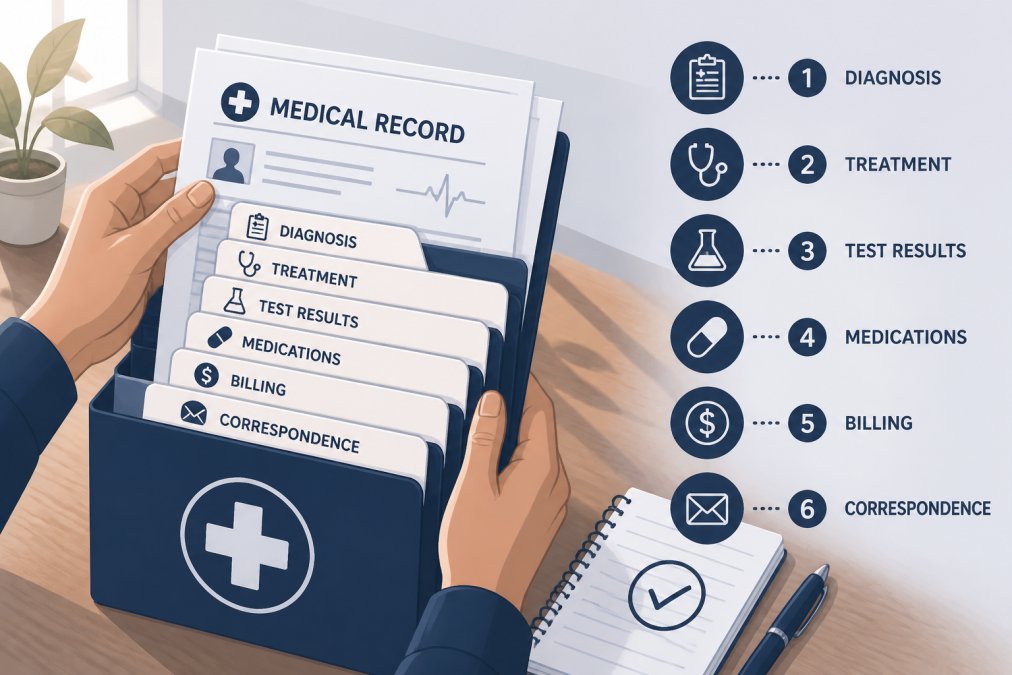
Do Lawyers Cover Court Costs If You Lose?

Table of Contents

Last Updated: August 14, 2026

Most people walk into a lawyer’s office with one burning question: if this goes sideways, who pays? The answer depends on a legal principle most clients never hear about until it’s too late. At Cummings Law, we explain this framework to every client upfront, because understanding how court costs work before you sign anything is the difference between a manageable outcome and a financial blindside.

The short answer: it depends entirely on your fee agreement, the type of case, and whether any fee-shifting statute applies. Below, we’ll walk through exactly how these rules work, what you actually sign in a contingency agreement, and where the hidden costs tend to show up.

The American Rule: Who Pays Attorney Fees by Default

The American Rule is the foundational principle governing litigation costs in the United States. Under this rule, each party pays its own attorney fees and litigation expenses, regardless of who wins or loses.

This is a deliberate policy choice. Requiring losers to pay winners’ legal fees would chill legitimate claims, discouraging people from bringing cases they genuinely believe in. As documented in Cornell Law School’s Legal Information Institute overview of the American Rule, this default rule stands in contrast to the "English Rule," where the losing party typically pays the prevailing party’s fees.

In practice: even if you lose a lawsuit, the other side generally cannot force you to pay their attorney fees. Your own attorney, depending on your agreement, may or may not absorb the costs they advanced on your behalf. The American Rule is the default, but it has exceptions that matter enormously.

Contingency Fee Agreement Explained: What You Actually Sign

A contingency fee agreement is a contract in which the attorney receives payment only if the case results in a recovery, typically a percentage of the settlement or judgment. If you recover nothing, the attorney collects no fee.

That sounds simple. The fine print is where things get complicated.

A client and attorney sitting across a desk reviewing a legal contract together, the attorney pointing to a specific clause on a multi-page document under warm office lighting

Most contingency agreements contain two distinct categories: the attorney’s fee itself, and litigation expenses. These are not the same thing, and conflating them is the most common mistake clients make when reading their agreement.

The attorney’s fee is the percentage charged for legal services. Litigation expenses, sometimes called "case costs" or "disbursements," are the out-of-pocket amounts paid to move the case forward: filing fees, deposition costs, expert witness fees, medical record retrieval, and court reporter charges.

The critical question your agreement should answer clearly: are litigation expenses advanced by the firm and repaid from any recovery, or are you responsible for them regardless of outcome?

What Happens to Court Costs If You Lose on Contingency

If your case is taken on contingency and you lose, you owe no attorney’s fee. Court costs and litigation expenses are a different matter. Some firms advance these costs and write them off if the case fails. Others advance them but require repayment even if there is no recovery. Your agreement will specify which arrangement applies.

A common mistake is assuming "no fee if you lose" covers everything. It covers the attorney’s professional fee. It does not automatically cover the expenses the firm paid on your behalf unless the agreement explicitly says so.

How Litigation Expenses Are Deducted from a Settlement

When a case settles, the math typically works in a specific sequence. First, the attorney’s percentage is calculated, usually on the gross recovery or the net recovery after costs, depending on how the agreement is written. Then, litigation expenses are deducted from your share.

The order matters. An attorney’s fee calculated on the gross settlement before costs are deducted leaves you with less than one calculated on the net. Reputable firms will walk you through this calculation before you sign.

Difference Between Attorney Fees and Court Costs

Attorney fees are compensation for legal services: the time, expertise, and judgment your lawyer applies to your case. Court costs are the administrative and procedural expenses required to litigate: filing fees paid to the court clerk, service of process fees, transcript fees, and similar charges.

This distinction matters because fee-shifting statutes, when they apply, often cover attorney fees but not all court costs. And some costs are "taxable" while others are not.

Taxable Costs vs. Non-Taxable Litigation Expenses

Taxable costs are expenses that a prevailing party can ask the court to award against the losing side. Under Federal Rule of Civil Procedure 54(d), there is a presumption that taxable costs are awarded to the prevailing party. These typically include filing fees, service fees, deposition transcripts, and certain printing costs.

Non-taxable litigation expenses are out-of-pocket costs that do not qualify for automatic court-ordered recovery. Expert witness fees, travel expenses, and investigation costs often fall here.

The practical implication: even if you win, you may not recover all of your litigation expenses from the other side. And if you lose, you may be ordered to pay the winner’s taxable costs, even though you won’t pay their attorney fees.

Cost Type Who Typically Pays Can Court Order Recovery?
Attorney fees Each party pays own (default) Only with fee-shifting statute or contract
Filing fees Advancing party Yes, if prevailing party requests
Deposition transcripts Advancing party Yes, typically taxable
Expert witness fees Advancing party Generally no, non-taxable
Investigation costs Advancing party Generally no, non-taxable
Service of process fees Advancing party Yes, typically taxable

Who Pays for Expert Witness Fees in a Lawsuit

Expert witness fees are one of the most significant hidden costs in litigation. In most civil cases, each party pays for its own experts. The party that retains an expert witness pays that expert’s hourly rate for preparation, report writing, and testimony. These fees are not automatically recoverable from the opposing side, even if you win.

In medical malpractice and complex personal injury cases, expert fees can be substantial. A qualified medical expert may charge significant hourly rates for review and deposition time. These costs are typically advanced by the law firm under a contingency arrangement and deducted from any recovery.

Even when a fee-shifting statute applies, courts frequently exclude expert witness fees from the award unless a specific statute expressly authorizes their recovery. The Supreme Court’s decision in West Virginia University Hospitals v. Casey held that expert fees are not automatically included in "attorney fees" awards under federal civil rights statutes.

If your case requires expert testimony, ask your attorney specifically how those costs will be handled if the case does not result in a recovery.

Call for a consultation! →

Watch Out
Never assume expert witness fees are covered by a general “no costs if you lose” statement. Ask your attorney to confirm in writing whether expert fees are advanced and forgiven on a loss, or whether you remain liable for them regardless of outcome.

Exceptions to the American Rule: When Fee-Shifting Applies

The American Rule has well-established exceptions. Fee-shifting is the legal mechanism that shifts attorney fees from the party that incurred them to the opposing party, typically the losing side.

Fee-shifting most commonly arises in two contexts: statutory provisions and contractual clauses.

Statutory Fee-Shifting Provisions

Many federal and state statutes include explicit fee-shifting provisions that allow a prevailing party to recover attorney fees from the adverse party. These statutes exist because Congress and state legislatures determined that certain types of claims require an additional incentive structure to encourage enforcement.

Common examples include civil rights statutes, environmental laws, consumer protection statutes, and employment discrimination claims. Under the Civil Rights Attorney’s Fees Awards Act of 1976, prevailing plaintiffs in civil rights cases can recover attorney fees from defendants.

The key word is "prevailing." Fee-shifting under statute typically requires a court determination that one party prevailed. A settlement without a court order may or may not qualify as "prevailing" depending on the jurisdiction and the specific statute.

Contractual Fee Clauses and Indemnification Agreements

Contracts between private parties frequently include fee-shifting clauses. An indemnification agreement may require one party to pay the other’s legal costs if a dispute arises from the contract.

These clauses are enforceable in most states, which means signing a contract with a broad fee clause could expose you to the other party’s attorney fees if you lose a dispute. This is a significant risk allocation decision.

Pro Tip
Before signing any contract with a “prevailing party” or “attorney fees” clause, ask an attorney to review it. A clause that seems minor at signing can create substantial liability if litigation follows.

Insurance Coverage, Settlement, and What Losing Really Costs You

Insurance coverage is an angle that most legal guides skip entirely, and it matters more than people realize.

Many individuals and businesses carry insurance policies that include a "duty to defend" provision. Under this provision, the insurer is obligated to provide legal defense for covered claims, which means the insurer pays attorney fees and litigation costs, not the policyholder. Homeowners’ policies, auto policies, and commercial general liability policies frequently include this coverage.

If you are a defendant in a lawsuit and have applicable insurance, your court costs question may resolve itself: your insurer handles the defense costs.

How Settlement Changes the Cost Equation

Settlement typically ends litigation before costs escalate to trial levels. Depositions, expert testimony, and extended discovery all add to the expense of litigation. Settling early reduces those costs for both sides.

From a plaintiff’s perspective, settling also eliminates the risk of a defense verdict that results in a court order for taxable costs. The settlement amount, minus the attorney’s percentage and outstanding litigation expenses, is what the client actually receives.

If a court enters a judgment against you for taxable costs, that judgment is a legal debt. It can accrue interest, be reported to credit agencies, and in some cases be used to garnish wages or place liens on property.

Bankruptcy can discharge certain civil judgments, but not all. Judgments arising from fraud or willful misconduct are generally non-dischargeable under federal bankruptcy law. A civil judgment for ordinary taxable costs may be dischargeable depending on the chapter filed and the specific circumstances.

If you are facing a judgment for legal costs, consulting with a bankruptcy attorney about your options is a practical step.

How to Read Your Fee Agreement Before Court Costs Surprise You

Reading a fee agreement carefully before signing is the single most effective way to avoid cost surprises later.
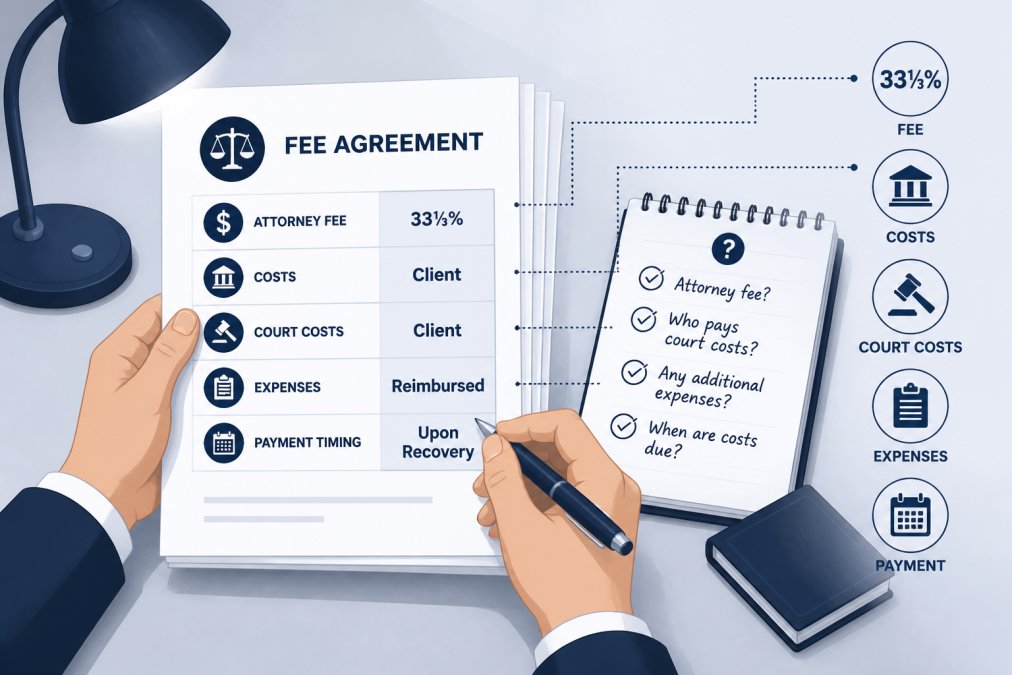
Close-up of a person's hands carefully reading a multi-page legal document, holding a pen with a notepad nearby showing handwritten questions, under focused desk lamp lighting

Most fee agreements run several pages and use legal terminology that obscures the practical meaning. Here is a focused checklist for what to look for:

  • The fee percentage: Is it calculated on the gross recovery or the net recovery after costs? The difference directly affects your take-home amount.
  • Who advances litigation expenses: Does the firm advance costs, or are you expected to contribute during the case?
  • What happens to advanced costs if you lose: Are they forgiven, or do you owe them back regardless of outcome?
  • Expert witness fees: Are these included in "litigation expenses," or are they treated separately?
  • Fee-shifting language: Does the agreement address what happens if a fee-shifting statute applies and the firm recovers fees from the other side?
  • Settlement authority: Who has final authority to accept or reject a settlement offer?
Key Takeaway
The most important clause in any contingency agreement is not the percentage. It’s the sentence that explains what happens to advanced costs if the case does not result in a recovery. That sentence determines your financial exposure if you lose.

According to the American Bar Association’s guidance on contingency fee agreements, written fee agreements that clearly specify the method of fee calculation and the client’s responsibility for costs are a professional requirement in most states. If an attorney cannot or will not explain every line of your fee agreement, that is a meaningful signal about how the rest of the representation will go.


Facing a personal injury or medical malpractice case without understanding the cost structure is a preventable risk. Cummings Law operates on a contingency basis, meaning no attorneys’ fees or court fees are due until the case is resolved, and the firm has obtained over $47,000,000 for clients in recent years across cases including a $15 million settlement and a $10 million settlement. Brian Cummings and the team provide personalized attention and thorough case investigation, so clients understand exactly what they signed and what to expect at every stage. Call for a consultation and get the clarity you need before costs become a surprise.

Frequently Asked Questions

Do you still have to pay your lawyer if you lose?

Under a contingency fee agreement, you do not owe attorney fees if you lose. Your lawyer only gets paid if you recover compensation. However, the agreement may still require you to cover out-of-pocket litigation expenses, such as filing fees, deposition costs, and investigation costs, even when a case is unsuccessful. Always read your specific agreement carefully, because terms vary by firm. Some firms absorb those costs entirely; others do not.

What is the difference between attorney fees and court costs?

Attorney fees are what you pay for your lawyer's time and legal work, typically calculated as a percentage of your recovery under a contingency agreement or billed at an hourly rate. Court costs are separate out-of-pocket expenses: filing fees paid to the court clerk, deposition transcripts, service of process fees, and similar disbursements. In personal injury cases, both categories are usually deducted from a settlement or judgment rather than billed upfront.

Who pays legal fees if you lose a civil lawsuit?

Under the American Rule, each party generally pays its own attorney fees regardless of who wins or loses. The losing party does not automatically owe the winner's legal fees. Exceptions exist under specific federal and state statutory provisions, such as civil rights statutes, or when a contract includes a fee-shifting clause. Court costs like filing fees may be awarded to the prevailing party by court order, but full attorney fee recovery by the adverse party is not automatic.

Are litigation expenses deducted from a settlement?

Yes, in most contingency fee arrangements, litigation expenses accumulated during the case, including expert witness fees, deposition costs, and discovery costs, are deducted from the settlement or judgment before you receive your share. The order of deduction matters: some agreements subtract expenses before calculating the attorney's percentage, while others calculate the fee first. Review your fee agreement closely so you understand your actual net recovery before accepting any settlement offer.

This article was written using GrandRanker

How to File a Personal Injury Claim in Hawaii

Table of Contents

Last Updated: August 12, 2026

Filing a personal injury claim is one of the most consequential legal decisions you will ever make, and the process in Hawaii has specific rules that can make or break your case. At Cummings Law, we have helped injury victims across the state recover compensation for medical expenses, lost wages, and pain and suffering, securing more than $47 million for clients in recent years. This guide walks you through every stage of a personal injury claim, from understanding what qualifies to negotiating with the insurance adjuster. Below, we will show you exactly how to protect your rights, preserve critical evidence, and avoid the mistakes that cost claimants thousands of dollars before they ever reach a courtroom.

Most people do not realize that Hawaii’s filing deadlines differ dramatically depending on whether the defendant is a private individual, a corporation, or a government entity. Getting that wrong can eliminate your right to compensation entirely. Read on.

What Counts as a Personal Injury Claim in Hawaii

A personal injury claim is a civil court action in which a plaintiff seeks compensatory damages from a defendant whose negligence or wrongful conduct caused physical, emotional, or financial harm. Hawaii recognizes a broad range of tort claims, and understanding which category your situation falls into shapes everything that follows.

Common Types: Auto Accidents, Slip and Falls, Product Liability, Wrongful Death

The most common personal injury claims involve auto accidents, premises liability, product liability, and wrongful death. Auto accident cases typically center on driver negligence, such as speeding, distracted driving, or running a red light. Slip and fall claims arise when a property owner fails to maintain safe conditions and a visitor suffers injury as a result. Product liability cases hold manufacturers or distributors accountable when a defective product causes harm. Wrongful death claims allow surviving family members to pursue compensation when negligence causes a fatality.

Each claim type carries its own evidentiary requirements, but all share the same foundation: you must prove the defendant owed you a duty of care, breached that duty, and caused your injury.

Claims Against Government Entities vs. Private Defendants

This is where many claimants make a costly mistake. Claims against private defendants follow the standard statute of limitations. Claims against government entities, including state agencies, county departments, or public schools, require you to file a separate administrative notice before you can sue.

Under Hawaii Revised Statutes Chapter 662, the State Tort Liability Act, claimants must submit a written notice of claim to the relevant government body and wait for a response before filing a lawsuit. County-level claims carry their own notice requirements and shorter windows than standard civil litigation. Missing these pre-suit steps bars your case entirely, regardless of how strong your evidence is. If a government entity is involved, contact legal counsel immediately.

Statute of Limitations for Personal Injury in Hawaii

The statute of limitations for personal injury in Hawaii is generally two years from the date of the injury. If you do not file a lawsuit within that statutory deadline, the civil court will almost certainly dismiss your case, and the defendant walks away without paying a cent.

Two years sounds like plenty of time. It is not. Building a strong personal injury lawsuit requires gathering medical records, accident reports, witness statements, and expert opinions. That work takes months.

Tolling Exceptions: Minor Claimants and Discovery Rule

Hawaii law recognizes tolling exceptions that pause the two-year clock in specific circumstances. For minor claimants, the statute of limitations typically does not begin running until the minor reaches the age of majority. The discovery rule provides another exception: if the injury was not immediately apparent, the clock may start from the date the claimant discovered, or reasonably should have discovered, the harm. Latent injuries, particularly in medical malpractice cases, often trigger this rule. Consult an attorney to determine exactly when your clock started, because the calculation is fact-specific and courts scrutinize it closely.

Watch Out
If your injury involves a government entity, the pre-suit notice deadline is far shorter than the two-year statute of limitations. Missing it permanently bars your claim even if the standard deadline has not yet passed.

Evidence Needed for a Personal Injury Claim

Strong evidence is what separates a settled claim from a dismissed one. The burden of proof in a civil personal injury case is preponderance of the evidence, meaning you must show it is more likely than not that the defendant’s negligence caused your injury. That standard sounds lower than a criminal case, but insurance adjusters and defense attorneys will challenge every gap in your documentation.

The core evidence categories for any personal injury claim include:

  • Medical records and bills documenting every treatment, diagnosis, and prognosis
  • Accident reports filed with police, property managers, or employers
  • Photographs and video of the scene, your injuries, and any contributing hazards
  • Witness names, contact information, and written or recorded statements
  • Expert opinions, particularly for medical causation and liability disputes

Digital Evidence Preservation: What to Capture Before It Disappears

This is the part most guides skip entirely, and it is where claimants lose cases they should have won.

Digital evidence disappears fast. Surveillance camera footage is often overwritten within 24 to 72 hours. Social media posts can be deleted. Dashcam files get recorded over. The moment after an accident, your priority should be preservation.

Send a written litigation hold letter to the property owner, business, or other responsible party demanding they preserve all surveillance footage, maintenance logs, and incident records. Take screenshots of any relevant social media content from the at-fault party. Download and back up your own dashcam footage immediately. If a defective product is involved, photograph it from every angle and do not discard it under any circumstances.

According to guidance from the American Bar Association on evidence preservation, courts can impose sanctions on parties who fail to preserve relevant digital evidence, a doctrine called spoliation. Knowing this gives you use if the defendant destroys records after being notified.

Step-by-Step: How to File a Personal Injury Claim in Hawaii

Filing a personal injury claim involves a sequence of steps that build on each other. Skipping any one of them weakens the entire case.

A person sitting at a wooden desk reviewing medical records and accident paperwork, a notepad and pen nearby, focused expression, warm natural office lighting
Step Action Why It Matters
1 Seek medical attention Creates injury documentation and treatment record
2 Report the accident Generates official accident report for evidence
3 Notify the at-fault insurer Opens the claims process and preserves your rights
4 File summons and complaint Initiates formal litigation if settlement fails

Step 1: Seek Medical Attention and Document Your Injuries

Go to the emergency room, urgent care, or your physician immediately after the accident, even if your injuries feel minor. Adrenaline masks pain. More importantly, a gap between the accident date and your first medical visit gives the insurance adjuster grounds to argue your injuries were not caused by the incident. Every appointment, prescription, referral, and therapy session becomes part of your medical records, which form the backbone of your claim.

Call for a consultation! →

Step 2: Report the Accident and Preserve the Scene

File an official accident report. For auto accidents, this means contacting law enforcement. For slip and falls, notify the property manager in writing and request a copy of the incident report. Photograph the scene before anything is moved or repaired. If witnesses are present, collect their contact information on the spot. People leave and memories fade quickly.

Step 3: Notify the At-Fault Party’s Insurer

Contact the defendant’s insurance company to report the claim, but be careful. Do not give a recorded statement without legal counsel present. Insurance adjusters are trained to ask questions that elicit answers they can use to reduce or deny your payout. Provide basic facts, confirm the incident occurred, and stop there. Your attorney will handle the substantive negotiations.

Step 4: File a Summons and Complaint if Settlement Fails

If the insurance adjuster’s settlement offer does not adequately cover your compensatory damages, the next step is litigation. Your attorney files a summons and complaint in the appropriate civil court, formally naming the defendant and stating your legal claims. The defendant has a set period to respond. From there, the case enters discovery, where both sides exchange evidence, take depositions, and build their arguments. Many personal injury lawsuits settle during or after discovery, before trial.

Pro Tip
Filing a complaint does not mean you will go to trial. Most personal injury lawsuits settle once the defendant’s insurer sees the full weight of the evidence. Filing is often the move that forces a fair offer.

How Modified Comparative Negligence Affects Your Payout

Hawaii follows a modified comparative negligence rule. Under this system, your compensation is reduced by your percentage of fault for the accident. If you are found 20% at fault for a collision, your damages award is reduced by 20%. The critical threshold: if you are found more than 50% at fault, you recover nothing.

Defense attorneys and insurance adjusters know this rule well, and they use it aggressively. Expect them to argue that you were speeding, distracted, or failed to notice an obvious hazard. Your job, with your attorney’s help, is to counter that narrative with evidence. Dashcam footage, witness statements, and expert accident reconstruction reports are the tools that keep your fault percentage low and your payout high.

According to Hawaii Revised Statutes Section 663-31 on comparative negligence, a plaintiff whose negligence exceeds the defendant’s is barred from recovery. Understanding this rule before settlement negotiations begin is not optional. It is essential.

Negotiating With the Insurance Adjuster

Insurance adjusters are not on your side. They work for the insurer, and their goal is to close your claim for as little as possible. That is not cynicism; that is their job description.

A professional attorney and client seated across a polished conference table, documents spread between them, calm and focused atmosphere, soft overhead lighting

The common mistake claimants make is accepting the first offer. Initial offers are almost always low. Adjusters count on claimants being financially pressured, unfamiliar with the process, and eager to resolve the matter quickly. Here is how to negotiate effectively:

  • Document everything before you negotiate. Do not open settlement discussions until you have a complete picture of your medical expenses, lost wages, and future treatment costs. Settling too early locks in a number that may not cover ongoing care.
  • Send a demand letter. A formal demand letter lays out your injuries, the defendant’s liability, and the compensation you are seeking. It signals that you are serious and have done the work.
  • Counter every low offer in writing. Verbal negotiations leave no record. Put every counter-offer and the insurer’s response in writing. This creates a paper trail that matters if litigation becomes necessary.
  • Do not accept a release prematurely. Signing a release closes your claim permanently. If complications from your injury emerge later, you will have no recourse.

A personal injury attorney handles these negotiations on your behalf, which typically shifts the dynamic considerably. Insurers respond differently when they know a claimant has legal counsel ready to file a lawsuit.

Personal Injury Attorney Consultation Questions to Ask

Choosing the right attorney is one of the most important decisions in this process. The first consultation is your opportunity to evaluate whether the firm is the right fit. Come prepared with specific questions.

Ask these during your consultation:

  1. How many personal injury cases similar to mine have you handled, and what were the outcomes?
  2. Will you personally handle my case, or will it be assigned to a junior associate?
  3. How does your contingency fee arrangement work, and what costs am I responsible for if the case does not settle?
  4. What is your honest assessment of the strengths and weaknesses of my claim?
  5. How do you communicate with clients throughout the case, and how often should I expect updates?
  6. Have you taken cases to trial, and what is your trial record?
Key Takeaway
The attorney who answers these questions directly and honestly, without overselling outcomes, is the one worth hiring. Vague assurances and guaranteed results are red flags in legal representation.

Cummings Law, led by attorney Brian Cummings, has secured results including a $15 million settlement and a $10 million settlement for injury victims, demonstrating the kind of courtroom performance and negotiation skill that produces meaningful outcomes. The firm operates on a contingency basis, meaning no attorneys’ fees or court fees until the case is complete.

For further guidance on what to expect from the legal process, the Hawaii State Judiciary’s civil court resources provide an overview of how civil litigation proceeds in the state court system.


Filing a personal injury claim without legal guidance is one of the most common and costly mistakes injury victims make. Deadlines are strict, evidence disappears quickly, and insurance adjusters are experienced negotiators working against your interests. Cummings Law provides thorough case investigation, evidence gathering, and personalized attention from attorney Brian Cummings, with no upfront fees until your case is resolved. Call for a consultation and let us fight for the compensation your case is actually worth.

Frequently Asked Questions

What is the statute of limitations for personal injury claims in Hawaii?

Hawaii generally gives injured plaintiffs two years from the date of the accident to file a personal injury lawsuit in civil court. Miss that statutory deadline and the court will almost certainly dismiss your case regardless of how strong the evidence is. Exceptions exist for minor claimants and situations where the injury was not discovered immediately, but these tolling provisions are narrow. If your claim is against a government entity, a separate, much shorter notice deadline applies before litigation can begin.

Do I need an attorney to file a personal injury claim?

You are not legally required to hire legal counsel, but insurance adjusters negotiate claims professionally every day. Without an attorney, you face a significant knowledge gap during settlement talks. A personal injury attorney can assess the full value of your compensatory damages, handle the burden of proof, and counter low offers before you unknowingly sign away your rights. Most personal injury attorneys, including Cummings Law, work on a contingency basis, meaning no attorneys' fees are owed until your case resolves successfully.

How is fault determined in a Hawaii personal injury case?

Hawaii follows a modified comparative negligence rule. The plaintiff must prove the defendant's negligence by a preponderance of the evidence, meaning it is more likely than not that the defendant caused the harm. If the claimant is found partly at fault, their compensatory damages are reduced by their percentage of fault. Under Hawaii's threshold, a plaintiff who is found 51 percent or more at fault cannot recover damages at all. Accurate accident reports, medical records, and witness statements all shape how fault is apportioned.

What damages can I recover in a personal injury lawsuit?

Compensatory damages in a Hawaii personal injury lawsuit typically cover medical expenses, lost wages, future care costs, and pain and suffering. In wrongful death cases, surviving family members may also recover for loss of companionship and financial support. The specific amount depends on the severity of the injury, the defendant's degree of liability, and the strength of the evidence presented. Punitive damages are available in limited circumstances where the defendant's conduct was especially egregious.

This article was written using GrandRanker

Get a Free Injury Case Consultation: Full Guide

Table of Contents

Last Updated: August 11, 2026

What a Free Injury Case Consultation Actually Covers

A free injury case consultation is a no-obligation meeting between you and a personal injury attorney, where the attorney reviews the facts of your situation and gives you an honest assessment of whether you have a viable claim. The consultation covers the core facts of your accident, a preliminary review of liability, a candid discussion of what compensation you might recover, and an explanation of how the legal process works. You leave with more information than you arrived with, regardless of whether you hire anyone.

One important clarification: a free consultation is not the same as legal advice specific to your case. Attorneys distinguish between general information and a formal attorney-client relationship, which only begins once you sign a representation agreement.

Most people use these terms interchangeably, but they describe two distinct stages.

A case evaluation is the initial review where the attorney listens to what happened, identifies whether negligence may be present, assesses the apparent strength of your claim, and tells you whether pursuing legal action is worth your time. This is what happens in a free consultation.

A legal strategy session comes later, after you’ve retained representation. Your attorney digs into specific evidence, calculates damages, identifies defendants, and builds the actual legal argument.

Understanding the difference matters because it sets realistic expectations. Walking in expecting a full trial strategy will leave you frustrated. Walking in expecting an honest case assessment will leave you informed.


How the Injury Case Consultation Process Works, Step by Step

The consultation is a structured process with distinct phases:

  1. Initial contact, You call or submit a form.
  2. Intake screening, A staff member gathers basic facts: the type of accident, when it occurred, and whether you’ve sought medical treatment.
  3. Attorney review, The attorney reviews preliminary information before meeting with you, so the consultation is focused.
  4. The consultation meeting, The attorney asks detailed questions about the incident, your injuries, medical treatment, insurance involvement, and communications with adjusters.
  5. Case merit assessment, The attorney shares their honest evaluation. A reputable firm will tell you clearly if your case is weak.
  6. Next steps discussion, If there’s merit, the attorney explains how representation works, what the contingency fee agreement covers, and what happens next.

The entire process typically takes 30 to 60 minutes for straightforward cases. Complex situations involving medical malpractice or catastrophic injury may run longer.

Virtual vs. In-Person Consultations: What to Expect from Each

Virtual consultations (video call or phone) are now widely available and just as legally valid as in-person meetings. They work well when you’re physically unable to travel due to your injuries or when you want a faster first conversation. The limitation is that reviewing physical documents in real time is slightly less efficient.

In-person consultations allow the attorney to review original documents and observe the nature of your injuries directly. For complex cases with significant physical evidence, in-person meetings often produce more thorough initial assessments.

Start with whichever format gets you in front of an attorney fastest. The statute of limitations does not pause while you wait for a convenient slot.


What to Bring to a Personal Injury Consultation

Preparation is the single biggest factor separating a productive consultation from a vague one. Attorneys can only evaluate what they can see.

A person sitting at a desk organizing documents including medical records, a police report, and photographs of an accident scene, with a notepad and pen nearby, warm natural light from a window

Bring everything you have, even if you’re not sure it’s relevant. Arriving empty-handed forces the attorney to work from memory and estimates, which weakens the initial assessment.

Step-by-Step Evidence Gathering Checklist

Use this checklist before your injury case consultation:

  • Police or incident report, Obtain a copy from the relevant law enforcement agency
  • Medical records and bills, All treatment records from emergency care, follow-up visits, specialists, and physical therapy
  • Photographs of injuries, Dated photos from immediately after the incident and during recovery
  • Photographs of the accident scene, If you have them; if not, note the location precisely
  • Insurance information, Your own policy and any information about the at-fault party’s insurer
  • Written communications, Emails, letters, or text messages from insurance adjusters (do not respond before speaking with an attorney)
  • Witness contact information, Names and phone numbers of anyone who saw what happened
  • Employment records, Pay stubs or employer letters documenting lost wages
  • A written timeline, A clear chronological account of events, written in your own words
  • Any prior medical history relevant to the injury, Attorneys need to anticipate arguments about pre-existing conditions
Pro Tip
Write your timeline as soon as possible, ideally before the consultation. Memory degrades quickly after traumatic events, and a written account created close to the incident carries far more weight than one reconstructed months later.

Questions to Ask a Personal Injury Attorney During Your First Meeting

The consultation is a two-way evaluation. You are assessing the attorney just as much as they are assessing your case.

A client and a professional attorney seated across from each other at a conference table, engaged in a focused calm conversation with papers and a laptop open between them, soft office lighting

Come with specific questions prepared. Here are the ones that actually reveal how an attorney operates:

  1. What is your honest assessment of my case’s strengths and weaknesses? A good attorney will name both.
  2. Have you handled cases similar to mine? Different claim types have distinct legal and procedural demands.
  3. Who will actually work on my case day-to-day? Know who you’re actually hiring.
  4. What is your contingency fee percentage, and what costs are covered? Understand exactly what comes out of any settlement.
  5. What is a realistic timeline for my type of case? Experienced attorneys can describe typical timelines honestly.
  6. How do you communicate with clients during the case? Ask about response times and regular updates.

Watch for these warning signs:

  • Guaranteed outcomes, No attorney can guarantee a specific settlement amount or verdict.
  • Pressure to sign immediately, A reputable firm gives you time to decide.
  • Vague answers about fees, Get clarity on what the contingency percentage covers and what costs you might still owe.
  • Dismissing your questions, Your questions are legitimate.
  • No direct attorney access, If you can’t speak to the actual attorney during the consultation, that’s worth noting.
Watch Out
Never sign a representation agreement without reading it fully. Pay specific attention to the contingency fee percentage, which costs are deducted from your settlement versus absorbed by the firm, and what happens to those costs if you lose.

How a Personal Injury Lawyer Contingency Fee Agreement Works

A contingency fee agreement means the attorney only gets paid if you win. According to the American Bar Association’s overview of fee arrangements, contingency fees are standard practice in personal injury cases and give injury victims access to legal representation regardless of their financial situation.

The attorney’s fee is calculated as a percentage of the final settlement or court award. That percentage can vary depending on whether the case settles before litigation or proceeds to trial.

Call for a consultation! →

What many clients don’t fully understand is the distinction between attorney fees and case costs. Fees are the attorney’s compensation. Costs are out-of-pocket expenses: filing fees, expert witness fees, medical record retrieval, and investigation expenses. Some firms absorb these costs and recover them from the settlement; others bill them separately. Cummings Law operates on a contingency basis with no attorneys’ fees or court fees until the case is complete, but always confirm the specific terms of any agreement you’re asked to sign.

The "no fee unless you win" model aligns the attorney’s financial interest with yours.


Do You Actually Need a Lawyer? Assessing Your Case Merit

Not every accident requires an attorney. Minor fender-benders with no injuries and clear liability can sometimes be resolved directly with an insurer. The more serious your injuries, the more complex your situation, and the more the insurance company disputes your claim, the more value an attorney provides.

As documented in the Insurance Research Council’s findings on attorney representation, injury victims who retain legal representation tend to recover significantly higher settlements than those who negotiate directly with insurers. Insurance adjusters are professional negotiators whose job is to minimize payouts.

Cases that almost always benefit from legal representation include serious or permanent injuries, disputed liability, multiple parties involved, medical malpractice claims, wrongful death, insurance company bad faith, and cases where pre-existing conditions are being used to minimize your claim.

If you’re unsure, the free consultation exists precisely to answer that question. The cost of asking is zero.

Key Takeaway
The question isn’t whether you can handle your claim alone. The question is whether doing so will cost you more in the long run than the attorney’s contingency fee. In most serious injury cases, the answer favors representation.

Statute of Limitations and Why Timing Your Consultation Matters

The statute of limitations is the legal deadline by which you must file a lawsuit. Miss it, and your right to compensation is gone, regardless of how strong your case is.

Personal injury statutes of limitations vary by state and by claim type. Medical malpractice claims often carry different deadlines than standard negligence claims. Government entities may require even shorter notice periods before you can sue. The Cornell Law School’s Legal Information Institute overview of statutes of limitations provides a useful reference for understanding how these deadlines are structured at the state level.

Waiting does not help your case. Evidence disappears. Witnesses forget details. Medical records become harder to obtain. Insurance companies use delay as a strategy.

If your accident happened months ago and you’ve been managing things on your own, speak with an attorney immediately rather than continuing to wait. An experienced firm can often work with delayed cases, provided the statute of limitations has not expired.

Cummings Law has recovered over $47,000,000 for clients in recent years, including settlements of $15 million, $10 million, $2.75 million, and $1.995 million. Those results come from thorough investigation and early evidence preservation, which is why timing your first consultation sooner rather than later gives your case the strongest possible foundation.

The Hawaii Judiciary’s civil case filing information outlines specific procedural requirements that apply to cases filed in state court, and your attorney will walk you through the deadlines that apply to your specific situation.


Preparation Step When to Complete Why It Matters
Write your incident timeline Within days of the accident Memory fades; early accounts carry more weight
Gather medical records Before the consultation Documents the scope of your injuries
Collect photos and evidence Immediately and ongoing Physical evidence degrades or disappears
Note witness contact info As soon as possible Witnesses become harder to locate over time
Stop communicating with adjusters Before your consultation Statements can be used to minimize your claim
Schedule your consultation Within days of the incident Preserves legal options and evidence

Accident victims often delay consulting an attorney because they’re overwhelmed, uncertain whether they have a case, or worried about cost. All three concerns are addressed by the free consultation itself.

Call Cummings Law to schedule your injury case consultation. Led by Brian Cummings, our firm provides personalized attention, thorough case investigation, and dedicated legal representation on a contingency basis, so you pay nothing until your case is resolved.

Frequently Asked Questions

Are free injury case consultations truly free with no obligation?

Yes. A legitimate free injury case consultation costs you nothing and carries no obligation to hire the attorney afterward. You can discuss your accident claim, share details about your injuries, and ask about your legal options without signing anything. Attorney-client privilege protects everything you share during that meeting, so your information stays confidential regardless of whether you decide to move forward with legal representation.

How do personal injury lawyers get paid if the consultation is free?

Personal injury attorneys who offer free consultations typically work on a contingency fee basis. That means the attorney only collects a fee if your case results in a settlement or court award. You pay no upfront attorneys' fees or court costs during the case. If the case is not won, you owe no attorney fee. This structure lets accident victims access strong legal representation regardless of their current financial situation.

What should I bring to a free personal injury consultation?

Bring everything that documents the incident and your losses: the police report, photographs of the accident scene and your injuries, medical records and bills, insurance correspondence, and any witness contact information. If you have exchanged information with another driver or property owner, bring that too. The more evidence you bring to your injury case consultation, the more accurately an attorney can assess liability, damages, and the overall strength of your claim.

Is it too late to get a consultation if my accident happened months ago?

Not necessarily, but time matters. Every state sets a statute of limitations on personal injury claims, which is the legal deadline to file a lawsuit. Missing that deadline can permanently bar your right to compensation. Even if months have passed since your accident, scheduling a free consultation as soon as possible lets an attorney review your situation, identify any deadlines that apply, and advise you on whether evidence gathered so far is sufficient to support your claim.

This article was written using GrandRanker

Hiring a Lawyer for a Tourist Accident in Hawaii

Table of Contents

Last Updated: August 23, 2026

Why Hiring a Local Lawyer Matters After a Tourist Accident

When injured in an accident while visiting, hiring a local lawyer is essential. You must navigate unfamiliar court systems and face insurance companies that know the terrain far better than you do. A local attorney becomes your advocate in a jurisdiction where you have no established presence or understanding of how cases move through the system.

The stakes are higher for tourists than residents. According to Hawaii Department of Health data on visitor fatalities, non-residents make up 53% of all drowning victims in Hawaii, and snorkeling accounts for 42% of tourist ocean deaths. The Queen’s Medical Center research on visitor trauma admissions found that visitors, while representing only 12.6% of the population on any given day, comprised 44.2% of total admissions for water-related injuries.

After injury, insurance adjusters will contact you. They’re trained negotiators working to minimize payouts. You’re injured, in pain, far from home, and managing unfamiliar medical systems. A local attorney levels this imbalance. At Cummings Law, we handle these cases because we understand both the vulnerabilities tourists face and Hawaii’s legal system. We know how cases settle here, which judges handle what claims, and the insurance companies’ playbook from hundreds of cases.

Understanding the Statute of Limitations for Personal Injury in Hawaii

Your window to file a claim is limited. Hawaii imposes a two-year statute of limitations on most personal injury cases, meaning you have exactly 24 months from the date of your injury to file a lawsuit (courts.state.hi.us). After that deadline passes, your case is gone forever.

This deadline creates urgency for tourists. If you’re injured and fly home to recover, those two years tick away while managing your injury and medical bills. Many tourists delay contacting an attorney because they’re focused on healing. By the time they realize they need legal help, months have passed. Contacting an attorney early protects your right to pursue compensation if negotiations stall.

The statute of limitations applies regardless of residency status. Being a tourist doesn’t extend the deadline. It’s the same two years for everyone. The first step after an accident should be documenting what happened and contacting a local lawyer, even if you’re unsure whether you have a case. A consultation costs nothing. Losing your case because the deadline passed costs everything.

How Contingency Fee Agreements Work for Out-of-State Clients

One of the biggest barriers for tourists is cost. You’re already facing medical bills, lost wages, and travel disruptions. Contingency fee arrangements solve this: your attorney only gets paid if you win your case or reach a settlement. If you lose, you owe nothing.

For out-of-state clients, this arrangement is essential. You can’t pay retainers or hourly fees while managing recovery from afar. A contingency fee structure means your lawyer has skin in the game, they only make money if they secure compensation for you. This aligns your interests perfectly.

Your attorney investigates the accident, gathers evidence, communicates with the insurance company, and negotiates on your behalf. If a settlement is reached, the attorney’s fee is typically a percentage of the recovery. Court costs and investigation expenses are also deducted from the settlement before you receive your portion. You never pay these costs upfront.

This structure protects you from financial risk while ensuring your lawyer is motivated to fight hard. At Cummings Law, we work on contingency for most personal injury cases because it’s the right model for clients already struggling with accident-related expenses. We’ve recovered over $47 million for clients in recent years.

Steps to Take Immediately After Your Accident

The moments and hours after an accident determine what evidence survives. If you’re injured and able to act, these steps matter.

1. Seek Medical Attention First
Your health comes before anything else. Call 911 or have someone take you to the nearest emergency room. Document that you sought immediate medical care, which supports your claim that the injury was serious. Get the names of medical professionals who treated you and the facility.

2. Report the Accident to the Property Owner or Operator
If injured at a resort, rental car company, tour operator, or other business, report the incident to management immediately. Ask them to file an incident report and request a copy. Get names and contact information of anyone who assisted you or witnessed the accident.

Person at the scene of an accident using smartphone to photograph damaged vehicle and surroundings, with emergency responders visible in the background and afternoon sunlight casting shadows across the scene

3. Document the Scene
Take photographs and videos of the location where you were injured. Capture the condition of the area, wet floors, broken railings, poor lighting, uneven pavement. Photograph from multiple angles. Document warning signs or their absence. Take photos of your injuries as they develop over following days and weeks.

4. Collect Witness Information
Get names, phone numbers, and email addresses of anyone who saw the accident. Witnesses provide independent accounts that carry more credibility than yours with insurance adjusters. Write down what they told you while it’s fresh.

5. Preserve Physical Evidence
If clothing was damaged or equipment was involved in the accident, preserve it. Don’t wash clothes or discard items. Photograph them as they are. This evidence may be needed later to prove negligence.

6. Keep Detailed Records
Document everything from the moment of injury forward. Write down dates, times, and details of medical appointments. Keep all medical bills, prescriptions, and receipts. Note how the injury affects your daily life, pain levels, activities you can’t do, and sleep disruption. This documentation becomes crucial when calculating damages.

7. Do Not Sign Anything Without Legal Review
Insurance adjusters will contact you, often within days. They may ask you to sign a medical release or settlement agreement. Do not sign anything without having an attorney review it first. Insurance companies use these documents to limit liability.

How to File a Personal Injury Claim as a Tourist

Filing a personal injury claim as a tourist involves steps that differ slightly from what a local resident would do, primarily because you’re managing the process from another state.

Step 1: Notify the Responsible Party’s Insurance Company
Your attorney will send a demand letter to the insurance company of the property owner, business, or driver responsible for your injury. This letter outlines what happened, the injuries you sustained, your medical expenses, and the compensation you’re seeking. The insurance company typically has 30 days to respond.

Step 2: Provide Documentation
You’ll need to submit medical records, bills, proof of lost wages, and other supporting documentation. Your attorney handles collecting and organizing these materials. Medical records are sent electronically, and you can provide documentation remotely. handling travel emergencies.

Step 3: Negotiate
The insurance company will typically respond with a lower offer. Negotiation begins. Your attorney knows the reasonable settlement range for cases like yours based on local precedent. The goal is fair compensation for medical expenses, pain and suffering, and lost wages.

Step 4: Settlement or Litigation
Most cases settle during negotiation. If the insurance company refuses fair compensation, your attorney files a lawsuit. You don’t need to be physically present for most of the process. Your attorney represents you in court. You may need to provide a deposition or testify at trial, but these can often be conducted remotely or scheduled when you’re able to travel back.

The timeline varies. Simple cases with clear liability might settle within 3-6 months. Complex cases can take 1-2 years or longer. Your attorney will manage expectations and keep you informed throughout.

Proving Liability and Recovering Compensation

Liability is the legal responsibility for the accident. To recover compensation, you must prove that the defendant was negligent, they failed to exercise reasonable care, and that failure caused your injury.

In Hawaii, the standard is straightforward: did the defendant have a duty to protect you from harm, did they breach that duty, and did that breach cause your injury? A resort has a duty to maintain safe premises. If a handrail is broken and you fall, that’s a breach. If the fall causes your injury, there’s causation.

Call for a consultation! →

Premises liability cases require showing that the property owner knew or should have known about the hazard and failed to fix it or warn you. A wet floor without a warning sign is negligence. A poorly maintained staircase is negligence. A tour operator who doesn’t properly screen snorkeling participants for health risks could be liable if they failed to warn or screen.

Motor vehicle accidents are often simpler to prove. If the other driver violated traffic laws or drove recklessly, liability is usually clear.

Compensation includes medical expenses covering all treatment related to the injury, lost wages for income you couldn’t earn while recovering, and pain and suffering for physical pain and emotional distress. In serious cases, punitive damages may apply if the defendant’s conduct was particularly reckless.

At Cummings Law, we’ve recovered significant compensation for clients, including a $15 million case, a $10 million case, and a $2.75 million case, among many others.

Finding the Right Attorney for Your Case

Not all personal injury attorneys are the same. Some specialize in specific types of cases. Some have strong settlement track records. Finding the right fit matters, especially when managing the case from out of state.

What to Look For

Start with experience handling cases like yours. Specialization matters because legal and factual issues differ significantly across accident types.

Look at track record. You want someone with proven ability to negotiate aggressively and, if necessary, take cases to court.

Check whether the attorney works on contingency. This is standard for personal injury work. You should never pay upfront fees or hourly rates. The attorney’s compensation should come from your recovery.

Verify that the attorney is licensed in Hawaii and in good standing with the State Bar. An attorney licensed in another state cannot represent you in Hawaii courts unless they associate with a Hawaii-licensed attorney.

Professional attorney in modern law office meeting with client across wooden desk, reviewing legal documents together with warm natural lighting from windows and shelves of law books visible in background

Questions to Ask During a Consultation

How many cases like mine have you handled? Have you handled cases involving out-of-state clients before? How do you communicate with clients who aren’t local? What’s your fee structure? Who handles the day-to-day work on my case? If my case goes to trial, will you try it? How long do cases like mine typically take?

Why Local Matters

A local attorney knows the judges, how cases move through the local court system, and has relationships with local insurance adjusters. They understand Hawaii law nuances and local precedent. They know which medical providers are respected by juries and which experts are credible. This local knowledge translates directly to better outcomes.

Cummings Law is based in Honolulu and has handled hundreds of personal injury cases in Hawaii courts. We know the system intimately and what cases are worth based on local standards. That expertise matters.


Getting injured while traveling is traumatic. The legal process that follows shouldn’t be. When facing medical bills, pain, and uncertainty about your future, you need an attorney who understands both the legal complexities of your case and the unique challenges of managing it from out of state. At Cummings Law, we’ve helped hundreds of injured clients recover the compensation they deserve. We work on contingency, meaning you pay nothing unless we win. Our track record speaks for itself: over $47 million recovered for clients in recent years. If you’ve been injured in an accident in Hawaii, call for a consultation. Let us investigate your case, negotiate with insurance companies, and fight for the compensation you’re entitled to. Your recovery is our mission.

Step Timeline Key Action
Immediate (0-48 hours) First 2 days Seek medical care, report incident, document scene, collect witness info
Documentation (1-2 weeks) Days 3-14 Preserve evidence, keep detailed records, contact attorney
Claim Filing (2-4 weeks) Weeks 2-4 Attorney sends demand letter to insurance company
Negotiation (4-12 weeks) Weeks 4-12 Insurance company responds, settlement discussions begin
Resolution (3-24 months) Months 3-24 Settlement reached or litigation filed if necessary

=== FAQ ANSWERS (audit these too, same rules) ===

[1] Q: What is the statute of limitations for filing a personal injury claim in Hawaii?
A: Hawaii imposes a two-year statute of limitations on most personal injury cases. This means you have two years from the date of your accident to file a lawsuit. As a tourist, this deadline is critical, contact an attorney as soon as possible after your accident to ensure your claim is filed within this window. Missing this deadline could result in losing your right to compensation entirely.

[2] Q: How do contingency fee agreements work for out-of-state clients?
A: A contingency fee arrangement means you pay no upfront fees or court costs. Your attorney only receives payment if your case is settled or won, taking a percentage of your compensation. This structure works the same for out-of-state clients as it does for residents. You avoid financial risk while ensuring your lawyer is motivated to recover the maximum compensation for your medical expenses, pain and suffering, and lost wages.

[3] Q: Can I hire a lawyer from my home state for an accident that happened in Hawaii?
A: While you could theoretically hire an out-of-state attorney, hiring a local lawyer familiar with Hawaii law is strongly recommended. A local attorney understands Hawaii’s specific negligence standards, premises liability rules, and how local courts and insurance adjusters operate. They have established relationships with medical experts and investigators in the area, which can significantly strengthen your case and improve your settlement outcome.

[4] Q: What evidence should I collect immediately after a tourist accident?
A: Preserve evidence at the scene: take photos of the accident location, your injuries, and any hazards involved. Get contact information from witnesses. If possible, obtain the incident report from police or the property owner. Keep all medical records, receipts for treatment, and documentation of lost wages. Preserve any clothing or equipment involved. This evidence preservation is crucial for proving liability and establishing the full extent of your damages when you file a personal injury claim as a tourist.

Frequently Asked Questions

What is the statute of limitations for filing a personal injury claim in Hawaii?

Hawaii imposes a two-year statute of limitations on most personal injury cases. This means you have two years from the date of your accident to file a lawsuit. As a tourist, this deadline is critical, contact an attorney as soon as possible after your accident to ensure your claim is filed within this window. Missing this deadline could result in losing your right to compensation entirely.

How do contingency fee agreements work for out-of-state clients?

A contingency fee arrangement means you pay no upfront fees or court costs. Your attorney only receives payment if your case is settled or won, taking a percentage of your compensation. This structure works the same for out-of-state clients as it does for residents. You avoid financial risk while ensuring your lawyer is motivated to recover the maximum compensation for your medical expenses, pain and suffering, and lost wages.

Can I hire a lawyer from my home state for an accident that happened in Hawaii?

While you could theoretically hire an an out-of-state attorney, hiring a local lawyer familiar with Hawaii law is strongly recommended. A local attorney understands Hawaii's specific negligence standards, premises liability rules, and how local courts and insurance adjusters operate. They have established relationships with medical experts and investigators in the area, which can significantly strengthen your case and improve your settlement outcome.

What evidence should I collect immediately after a tourist accident?

Preserve evidence at the scene: take photos of the accident location, your injuries, and any hazards involved. Get contact information from witnesses. If possible, obtain the incident report from police or the property owner. Keep all medical records, receipts for treatment, and documentation of lost wages. Preserve any clothing or equipment involved. This evidence preservation is crucial for proving liability and establishing the full extent of your damages when you file a personal injury claim as a tourist.

This article was written using GrandRanker

How to Hire a Hawaii Medical Malpractice Attorney

Table of Contents

Last Updated: August 13, 2026

Medical malpractice cases are among the most legally complex personal injury claims a person can face. At Cummings Law, we’ve guided countless Hawaii families through holding negligent medical providers accountable. This guide covers how to hire a medical malpractice attorney in Hawaii, what legal hurdles you’ll face, and what compensation you may recover. One critical point most guides miss: Hawaii has a mandatory administrative step that can kill your case if you miss it.

What Qualifies as Medical Malpractice?

Medical malpractice occurs when a healthcare provider fails to meet the accepted standard of care, directly injuring a patient. Not every bad outcome is malpractice, medicine carries inherent risk. The critical distinction is whether the provider acted as a reasonably skilled professional in the same field would have under similar circumstances.

Professional illustration showing medical malpractice attorney

Common Types of Medical Negligence Claims

Medical negligence takes many forms:

  • Failure to diagnose or misdiagnosis: A doctor misses cancer, a heart attack, or another serious condition that a competent physician would have caught.
  • Surgical malpractice: Operating on the wrong site, leaving instruments inside a patient, or performing a procedure incorrectly.
  • Medication errors: Prescribing the wrong drug, wrong dosage, or failing to account for dangerous drug interactions.
  • Birth injury claims: Errors during labor and delivery resulting in cerebral palsy, brachial plexus injuries, or hypoxic brain damage.
  • Anesthesia errors: Administering too much or too little anesthesia, or failing to monitor a patient’s response.
  • Failure to obtain informed consent: Performing a procedure without adequately explaining risks, benefits, and alternatives.

Proving Breach of Duty and Causation

Winning a malpractice case requires proving four elements: duty, breach, causation, and damages. Once a doctor-patient relationship exists, duty is established. The harder fight is over breach and causation.

Breach means the provider deviated from the standard of care. Causation means that deviation produced your harm. Courts require a qualified medical expert to testify that the defendant’s conduct fell below accepted standards and caused your specific injury. Without a credible expert, even a strong case will not survive.

Watch Out
Do not assume that a poor medical outcome automatically proves malpractice. Insurance companies aggressively challenge causation. Without documented evidence linking the provider’s error to your specific harm, a claim can fail even when negligence is obvious.

Medical Malpractice Statute of Limitations: Do Not Wait

The medical malpractice statute of limitations sets a hard deadline for filing your claim. Miss it, and your right to compensation is gone permanently.

According to the Hawaii Revised Statutes on medical tort claims, patients generally have a limited window from the date they discovered or reasonably should have discovered the injury. Because these deadlines contain nuances based on discovery date, minor status, and wrongful death claims, consult an attorney immediately rather than calculating the deadline yourself.

A common mistake is waiting to see whether an injury resolves on its own. Many patients spend months in additional treatment before accepting the original error caused lasting damage. By then, the filing window can be dangerously close. The moment you suspect medical negligence, get a legal consultation.

Hawaii’s Medical Inquiry and Conciliation Panel (MICP): A Step-by-Step Overview

Before filing a medical malpractice lawsuit in Hawaii state court, plaintiffs must bring their claim before the Medical Inquiry and Conciliation Panel. The MICP is a mandatory administrative proceeding designed to give both sides a chance to resolve disputes before formal litigation.

  1. File a claim with the MICP. Submit a written complaint identifying the healthcare provider, alleged negligence, and nature of injuries. Filing tolls the statute of limitations.
  2. The panel is convened. The MICP panel typically includes a physician, attorney, and layperson.
  3. Discovery and exchange of records. Both sides submit medical records, expert opinions, and supporting documentation.
  4. Hearing. The panel hears from both sides in a formal proceeding where attorney preparation matters.
  5. Panel findings. The panel issues findings on whether malpractice likely occurred. These are not binding but can be introduced as evidence in court.
  6. Proceed to litigation if needed. If unresolved, you may file suit in circuit court.
Pro Tip
Filing your MICP claim and court lawsuit require different documentation and strategies. An attorney who handles medical malpractice regularly will use the MICP process strategically rather than treating it as a bureaucratic hurdle.

How Medical Malpractice Attorney Contingency Fees Work

Medical malpractice attorney contingency fees are the standard payment structure. On a contingency basis, you pay no attorney’s fees unless your case results in recovery. The attorney’s fee is a percentage of the final settlement or verdict, aligning their financial interest with yours.

Cummings Law operates on this model: no attorneys’ fees or court fees until the case is complete. The firm absorbs investigation, expert witness, filing, and litigation costs upfront. Before signing any fee agreement, ask your attorney to explain the percentage, whether litigation costs are deducted before or after the fee, and what happens to costs if the case is lost.

The contingency model acts as a natural filter. Attorneys who work this way are selective because they invest real resources in each case. If an attorney on contingency agrees to represent you, that signals they believe your case has merit.

Questions to Ask a Malpractice Lawyer Before You Hire

The consultation is your interview of the attorney. Ask these questions before committing:

  1. How much of your practice is dedicated to medical malpractice? General personal injury experience differs from malpractice experience. You want someone who handles these cases regularly.
  2. Have you taken malpractice cases to trial? Settlement negotiations differ from trial advocacy. Insurance companies pay more attention to attorneys with genuine courtroom records.
  3. Who will actually work on my case? Know who your day-to-day contact will be.
  4. What is your honest assessment of my case? A good attorney will tell you if your claim has weaknesses.
  5. What does your contingency fee agreement cover? Ask specifically about litigation costs and what happens if you do not recover.
  6. How will you communicate with me throughout the process? Lack of communication is the most common client complaint.

The American Bar Association’s guidance on hiring a lawyer recommends requesting a written fee agreement before any legal work begins.

Compensation a Medical Malpractice Attorney Can Recover for You

Compensatory damages fall into two categories: economic and non-economic.

Economic damages include:

  • Past and future medical expenses related to the malpractice
  • Lost wages and diminished future earning capacity
  • Cost of ongoing rehabilitation, home care, or assistive devices

Non-economic damages include:

  • Pain and suffering
  • Emotional distress
  • Loss of enjoyment of life
  • Loss of consortium for a spouse or family member

In wrongful death cases, additional damages apply, including loss of financial support and loss of companionship.

Call for a consultation! →

Cummings Law has obtained over $47,000,000 for clients in recent years, including a $15 million settlement, a $10 million settlement, a $2.75 million settlement, and a $1.995 million settlement.

Calculating Non-Economic Damages and Caps

Non-economic damages are harder to calculate because there is no invoice. Attorneys use methods including the "multiplier method," which applies a factor to economic damages based on injury severity, and the "per diem method," which assigns a daily dollar value to pain and suffering.

Hawaii law places limits on non-economic damages in certain medical tort claims. Per the Hawaii Revised Statutes Chapter 663, specific caps apply in some malpractice contexts. Because these are subject to legislative change and judicial interpretation, confirm current limits with your attorney.

Key Takeaway
Non-economic damages are often the largest component of [a malpractice](/2025/09/01/top-4-qualities-of-a-trusted-medical-negligence-attorney/) recovery. An attorney who understands how to document and present pain, suffering, and life disruption to a jury significantly affects the final amount.

Checklist: Gathering Medical Records Before Your Consultation

Organize your documentation before meeting with an attorney. They can evaluate your case faster and more accurately when you arrive prepared.

  • Request complete medical records from every provider involved, including admission notes, discharge summaries, operative reports, nursing notes, and lab results
  • Obtain imaging studies and accompanying radiology reports
  • Collect all billing statements and insurance explanation-of-benefits documents
  • Write a detailed timeline of events, including dates, names of providers, what was said, and what changed in your condition
  • Preserve written communications with providers, including patient portal messages and prescription records
  • Document your symptoms and their impact on daily life, including missed work and emotional effects
  • Gather contact information for witnesses, including family members present during treatment
  • Note the names and license numbers of every physician, nurse, or specialist who treated you

Under the HIPAA right of access provisions, you have the legal right to request copies of your own medical records. Providers must fulfill requests within 30 days.

Close-up of a person's hands organizing a folder of medical paperwork and documents on a wooden table, with a pen and notepad nearby, under warm natural window light

How to Hire the Right Attorney: A Step-by-Step Guide

Choosing the right medical malpractice attorney requires a practical process.

Step 1: Identify attorneys who focus on medical malpractice. Look for attorneys or firms where malpractice cases represent a substantial portion of the practice.

Step 2: Review case results. Past settlements and verdicts signal experience and capability. Look for results in cases similar to yours.

Step 3: Schedule consultations with more than one attorney. Most malpractice attorneys offer free initial consultations. Use this to assess legal knowledge, communication style, and whether the attorney understands your situation.

Step 4: Evaluate responsiveness. How quickly did the firm return your call? How clearly did they explain the process?

Step 5: Review the fee agreement carefully. Confirm the contingency percentage, how litigation costs are handled, and what happens if you discharge the attorney mid-case.

Step 6: Trust your assessment. Medical malpractice litigation can take years. You need an attorney you can communicate with honestly.

Step Action What to Look For
1 Identify malpractice-focused attorneys Malpractice as primary practice area
2 Review case results Settlements and verdicts in similar cases
3 Schedule multiple consultations Free initial consultation offered
4 Evaluate responsiveness Prompt, clear communication
5 Review fee agreement Contingency terms, cost handling
6 Make your decision Confidence in the attorney’s commitment

The Hawaii State Bar Association lawyer referral service can help you identify licensed attorneys who handle medical malpractice matters.


Medical malpractice cases demand attorneys who understand both the medicine and the law, with resources to fight insurance companies that routinely dispute well-documented claims. Cummings Law brings personalized attention, comprehensive legal knowledge, and a track record of over $47 million recovered for clients to every case. Led by Brian Cummings, whose courtroom performance is well-respected across Hawaii’s legal community, the firm works on full contingency so financial pressure never forces you into an undervalued settlement. Call Cummings Law for a consultation and take the first step toward the compensation you deserve.

Frequently Asked Questions

How do I know if I have a valid medical malpractice claim?

A valid medical malpractice claim generally requires four elements: a doctor-patient relationship existed, the provider deviated from the accepted standard of care, that deviation directly caused your injury, and you suffered measurable damages as a result. Diagnostic errors, surgical mistakes, birth injuries, and failures to obtain informed consent are among the most common qualifying situations. The clearest way to find out whether your situation meets these criteria is to schedule a free case evaluation with a medical malpractice attorney who can review your medical records and advise you honestly.

What is the statute of limitations for medical malpractice cases in Hawaii?

Hawaii law sets strict deadlines for filing medical malpractice claims. Missing the deadline almost always bars you from recovering any compensation, regardless of how strong your case is. The clock can start from the date of the negligent act or from when you discovered, or reasonably should have discovered, the injury. Because the rules involve nuances around discovery and tolling, you should consult a medical malpractice attorney as soon as possible rather than assume you have time to spare.

How are medical malpractice attorney fees structured?

Most medical malpractice attorneys work on a contingency fee basis, meaning you pay no upfront attorneys' fees or court costs. The attorney's fee is a percentage of the compensation recovered, collected only if your case is successfully resolved. This arrangement lets injured patients access experienced legal representation without financial risk. Before signing any agreement, ask your attorney exactly what expenses are covered under the contingency arrangement and what happens to case costs if no recovery is made.

Is it worth suing for medical malpractice?

For many patients, yes. A successful medical malpractice claim can recover compensatory damages for medical bills, lost income, ongoing care costs, and pain and suffering. In cases involving extreme misconduct, punitive damages may also be available. Beyond financial recovery, litigation can hold negligent providers accountable and create pressure for systemic improvements in patient safety. An experienced medical malpractice attorney can assess the realistic value of your claim during a free initial consultation, giving you the information needed to make an informed decision.

This article was written using GrandRanker