Table of Contents
- Understanding Hawaii’s Unique Legal Landscape
- Statute of Limitations for Personal Injury Claims in Hawaii
- How Local Knowledge Impacts Your Case Outcome
- Navigating Hawaii’s Modified Comparative Negligence Rule
- How to Choose a Personal Injury Lawyer in Hawaii
- Contingency Fee Agreement Explained
- Local Representation for Visitors and Residents
- Conclusion
Last Updated: August 25, 2026
Understanding Hawaii’s Unique Legal Landscape
When you’re injured due to someone else’s negligence in Hawaii, the legal system operates differently than the mainland, and those differences matter enormously for your case. Hawaii’s legal landscape is structurally different: the state has a smaller legal community concentrated on Oahu, unique procedural rules, local judges with established patterns, and a legal culture shaped by island dynamics. Insurance companies operating here know these patterns intimately and have teams of adjusters and defense attorneys who work the same courts year after year.
The courts themselves operate under specific procedural rules that differ from federal courts and other states. Discovery timelines, motion practices, and trial procedures in Hawaii have quirks that only local practitioners encounter regularly. A mainland attorney might know general personal injury principles, but they won’t know that specific judges tend to grant summary judgment motions in certain cases at higher rates, or that insurance adjusters respond differently to demand letters across the islands.
Hawaii’s economy runs on tourism, military presence, and local business. Juries here have different perspectives than mainland juries. They understand the island lifestyle, cost of living, medical care access, and the impact of injuries on people who may not have mainland family support systems. A local attorney knows how to frame cases in ways that resonate with Hawaii jurors.
Statute of Limitations for Personal Injury Claims in Hawaii
You have two years from the date of your injury to file a personal injury lawsuit in Hawaii, as established by Hawaii Revised Statutes § 657-7. Two years sounds like plenty of time, but it passes faster than most people expect, and the statute of limitations doesn’t pause while you’re negotiating with insurance companies or gathering medical records.
If you miss that deadline, your case is gone. Period. There are narrow exceptions for minors and cases where the injury wasn’t immediately discovered, but those exceptions are limited and complex. This is why waiting too long before consulting with a local Hawaii injury attorney is dangerous. You need someone who understands these deadlines, tracks them meticulously, and knows how to preserve your rights before time runs out.
Many people settle directly with insurance companies without understanding their full damages. By the time they realize they need a lawyer, months have passed. A local attorney can review your case immediately, assess whether your settlement offer is fair, and if necessary, file a lawsuit before the statute of limitations expires. The statute of limitations also affects evidence preservation, the longer you wait, the harder it becomes to gather witness statements, preserve video footage, and document scene conditions.
How Local Knowledge Impacts Your Case Outcome

Local knowledge determines whether you receive a mediocre settlement or one that actually covers your damages. It’s not just about knowing the law, but understanding how that law operates in practice within Hawaii’s specific courts and communities.
Local knowledge also means understanding Hawaii’s medical landscape. The state has a limited number of specialists, and a local attorney knows which ones are respected by judges and juries, which ones insurance companies trust, and which ones have credibility gaps. Geography itself creates unique considerations: if you’re injured on the Big Island and the defendant is based on Oahu, your case involves inter-island travel and different court procedures. A local firm handles these complications routinely.
Navigating Hawaii’s Modified Comparative Negligence Rule
Hawaii follows a modified comparative negligence standard, which means you can recover damages even if you were partially at fault for your injury, as long as your percentage of fault doesn’t exceed 50%, as established by Hawaii Revised Statutes § 663-31. However, your compensation gets reduced by your fault percentage.
Insurance companies weaponize comparative negligence arguments, claiming you were 40%, 45%, or even 51% at fault, even in cases where their own driver clearly caused the accident. They’re betting you don’t understand the law well enough to push back effectively. A local Hawaii injury attorney knows how insurance adjusters typically frame these arguments and which ones judges routinely reject.
The math matters significantly. If your actual damages are $100,000 and the insurance company argues you’re 30% at fault, you’d recover $70,000. But if a skilled attorney can reduce your assigned fault to 10%, you recover $90,000. That $20,000 difference comes from understanding how local courts evaluate comparative negligence claims. Insurance companies often propose settlements that assume higher comparative negligence percentages than are actually defensible, and a local attorney recognizes these lowball offers immediately.
How to Choose a Personal Injury Lawyer in Hawaii
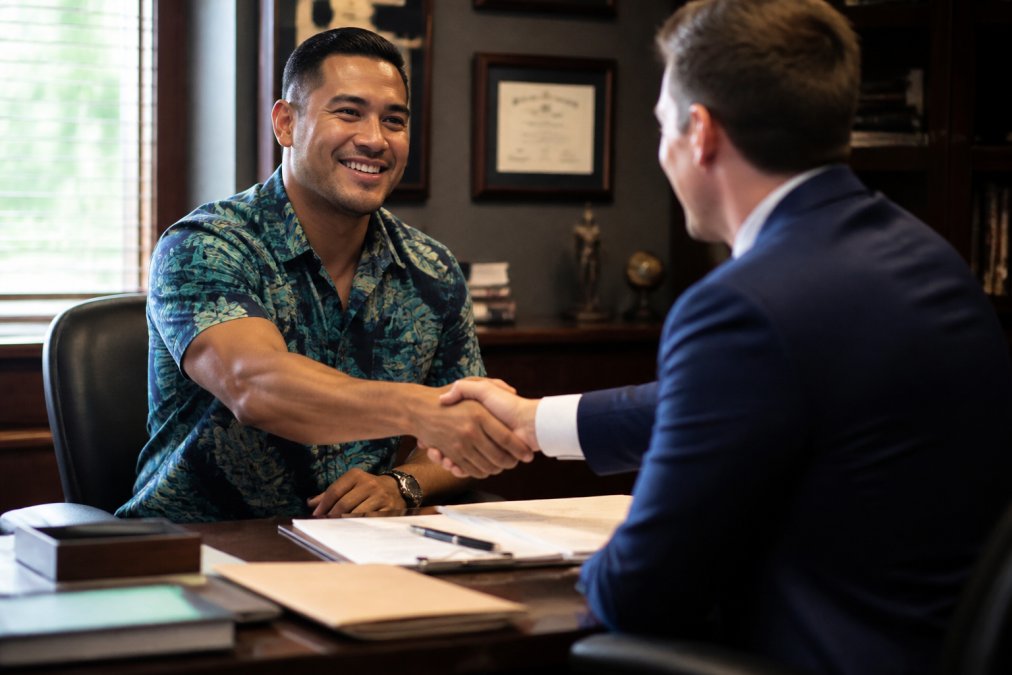
Choosing the right attorney is one of the most important decisions you’ll make after an injury. First, verify they actually practice personal injury law in Hawaii. Ask directly: what percentage of your practice is personal injury litigation? How many jury trials have you taken to verdict in the past three years? How many cases have you settled above $500,000 in the past five years?
Second, understand their fee structure. Most legitimate personal injury attorneys work on contingency, meaning they only get paid if you win your case or secure a settlement. However, contingency arrangements vary. Some firms charge 33% of recovery, others charge 40% or more. Some have different percentages depending on whether the case settles or goes to trial. At Cummings Law, we operate on a contingency basis with no upfront fees or court costs until your case is resolved, you only pay if we win.
Third, ask about their experience with your specific type of injury. Hawaii has attorneys who specialize in different injury types, and you benefit from that specialization. Fourth, evaluate their local connections and reputation. Do they know the judges? Have they worked with the medical experts you’ll need? These connections matter enormously in Hawaii’s smaller legal market. local hiring benefits.
Finally, trust your instincts about communication and respect. You’re hiring someone to advocate for you during a vulnerable time. They should listen carefully, explain things clearly, and treat you with genuine respect.
Contingency Fee Agreement Explained
A contingency fee agreement means your attorney only gets paid if you win your case or reach a settlement. You pay nothing upfront, no retainer, no hourly fees, no initial consultation charges. Your attorney advances all costs associated with your case, filing fees, expert witness fees, medical record retrieval, investigator costs, court reporter fees, and other expenses. If your case is unsuccessful, you owe nothing. If you win, the attorney takes a percentage of your recovery (typically 33-40%) and recoups their advanced costs from the settlement or judgment.
This arrangement removes financial barriers to hiring quality legal representation. You don’t need to save money for attorney fees while recovering from injuries and facing medical bills. However, you need to understand the specific terms of your agreement. Ask: What percentage does the firm take if the case settles before trial versus going to trial? Are costs advanced by the firm or billed to you? If costs are billed to you, are they deducted from your recovery or do you owe them separately if you lose? These details vary between firms and prevent surprises later.
Local Representation for Visitors and Residents
Hawaii’s status as a major tourism destination creates specific legal considerations depending on whether you’re a resident or visitor. If you’re a visitor injured in Hawaii, you have the right to file a personal injury lawsuit in Hawaii courts regardless of where you live. However, your case involves additional complexity: you’ll need to return to Hawaii for depositions and potentially trial, you may not have local medical records, and you might struggle to remember specific details about the accident scene.
A local Hawaii injury attorney handles these complications routinely. They can manage the logistics of your case while you’re back on the mainland, arrange for local medical evaluation if needed, and represent your interests aggressively without requiring your constant presence.
For residents, the advantages of local representation are equally significant. You’re familiar with Hawaii’s roads and community context, but you still benefit enormously from an attorney who knows local judges, understands Hawaii’s specific negligence rules, and has relationships with local experts. Residents also face unique insurance dynamics: if injured by another resident or local business, the defendant’s insurance company is likely based in Hawaii and has has established patterns for evaluating claims. A local attorney knows these patterns and can use that knowledge in negotiations.
Conclusion
Choosing whether to hire a local Hawaii injury attorney isn’t really a choice at all, it’s the difference between recovering fair compensation and settling for whatever an insurance company offers. Hawaii’s legal landscape is unique, its courts operate under specific rules, its judges have established patterns, and its insurance companies know exactly how to exploit unfamiliar attorneys.
When you’ve suffered a serious injury due to someone else’s negligence, you deserve representation that understands this system completely. Cummings Law has recovered over $47 million for clients in recent years by combining deep knowledge of Hawaii’s legal landscape with aggressive advocacy and thorough case investigation. We operate on contingency, meaning you pay nothing unless we win. If you’re facing a personal injury claim, whether you’re a resident or visitor, call for a consultation. Let us show you what local expertise actually means.
=== FAQ ANSWERS (audit these too, same rules) ===
[1] Q: What is the statute of limitations for filing a personal injury lawsuit in Hawaii?
A: You generally have two years from the date of injury to file a personal injury claim in Hawaii. This deadline is critical because waiting too long can bar you from pursuing compensation entirely. Some exceptions exist, such as for minors or cases where the injury wasn’t immediately discovered, so consulting a local attorney quickly helps protect your rights and ensures you meet all filing deadlines.
[2] Q: How does a contingency fee agreement work, and why should I choose it?
A: A contingency fee agreement means your attorney only gets paid if you win your case or reach a settlement. You pay no upfront fees, court costs, or investigation expenses unless your case succeeds. This aligns your lawyer’s interests with yours, they’re motivated to maximize your compensation. It removes financial barriers for accident victims who are already struggling with medical bills and lost wages, making justice accessible regardless of your current financial situation.
[3] Q: Can a local Hawaii injury attorney represent me if I’m a visitor to the state?
A: Yes. Local Hawaii injury attorneys routinely represent visitors injured in the state. Hawaii’s legal system protects all accident victims within its jurisdiction, regardless of residency. A local attorney understands how tourism-related injuries are handled, knows the local court system, and can manage your case even if you return home. Many visitors benefit from local representation because mainland attorneys often refer cases to Hawaii counsel anyway, saving time and ensuring expert local guidance from the start.
[4] Q: How does hiring a local attorney improve my chances of winning a personal injury case?
A: Local attorneys understand Hawaii’s specific negligence laws, damage caps, insurance claim procedures, and court practices. They have established relationships with judges, medical providers, and insurance adjusters in the community. They know how local juries think and what evidence resonates in your area. This insider knowledge directly influences case strategy, settlement negotiations, and trial preparation.
Frequently Asked Questions
What is the statute of limitations for filing a personal injury lawsuit in Hawaii?
You generally have two years from the date of injury to file a personal injury claim in Hawaii. This deadline is critical because waiting too long can bar you from pursuing compensation entirely. Some exceptions exist, such as for minors or cases where the injury wasn't immediately discovered, so consulting a local attorney quickly helps protect your rights and ensures you meet all filing deadlines.
How does a contingency fee agreement work, and why should I choose it?
A contingency fee agreement means your attorney only gets paid if you win your case or reach a settlement. You pay no upfront fees, court costs, or investigation expenses unless your case succeeds. This aligns your lawyer's interests with yours, they're motivated to maximize your compensation. It removes financial barriers for accident victims who are already struggling with medical bills and lost wages, making justice accessible regardless of your current financial situation.
Can a local Hawaii injury attorney represent me if I'm a visitor to the state?
Yes. Local Hawaii injury attorneys routinely represent visitors injured in the state. Hawaii's legal system protects all accident victims within its jurisdiction, regardless of residency. A local attorney understands how tourism-related injuries are handled, knows the local court system, and can manage your case even if you return home. Many visitors benefit from local representation because mainland attorneys often refer cases to Hawaii counsel anyway, saving time and ensuring expert local guidance from the start.
How does hiring a local attorney improve my chances of winning a personal injury case?
Local attorneys understand Hawaii's specific negligence laws, damage caps, insurance claim procedures, and court practices. They have established relationships with judges, medical providers, and insurance adjusters in the community. They know how local juries think and what evidence resonates in your area. This insider knowledge directly influences case strategy, settlement negotiations, and trial preparation.
This article was written using GrandRanker