While Hawaii is known worldwide for its breathtaking beauty and peaceful atmosphere, accidents and injuries can occur anywhere—even in paradise. The unique geographic, cultural, and legal environment of the Hawaiian Islands creates distinctive challenges for personal injury victims seeking justice and compensation. From tourist-related accidents to complex inter-island transportation injuries, Hawaii’s personal injury law requires specialized knowledge and experienced representation to navigate successfully.
Understanding Personal Injury Law in Hawaii
Legal Framework and Principles
Hawaii’s personal injury law operates under specific statutes and principles that reflect both mainland legal traditions and unique island considerations:
Negligence Standards
- Duty of care owed by defendants to injured parties
- Breach of that duty through action or inaction
- Causation linking the breach to the plaintiff’s injuries
- Actual damages and harm suffered by the victim
Comparative Negligence System
- Hawaii follows pure comparative negligence principles
- Damage awards reduced by plaintiff’s percentage of fault
- Recovery possible even if plaintiff is primarily at fault
- Each party’s responsibility determined by jury or court
Statute of Limitations
- Two-year filing deadline for most personal injury claims
- Discovery rule applies when injuries aren’t immediately apparent
- Special provisions for minors and incapacitated persons
- Different deadlines for specific types of cases
Types of Personal Injury Cases in Hawaii
🏝️ Injured in Hawaii? We Know Island Law
Don’t let Hawaii’s unique challenges prevent you from getting justice. Our experienced personal injury attorneys understand the complexities of practicing law in the Hawaiian Islands and fight for maximum compensation.
All Islands Served |808-800-4600| Over $47 Million Recovered | No Fee Unless We Win
Hawaii’s unique environment and economy create distinctive personal injury situations:
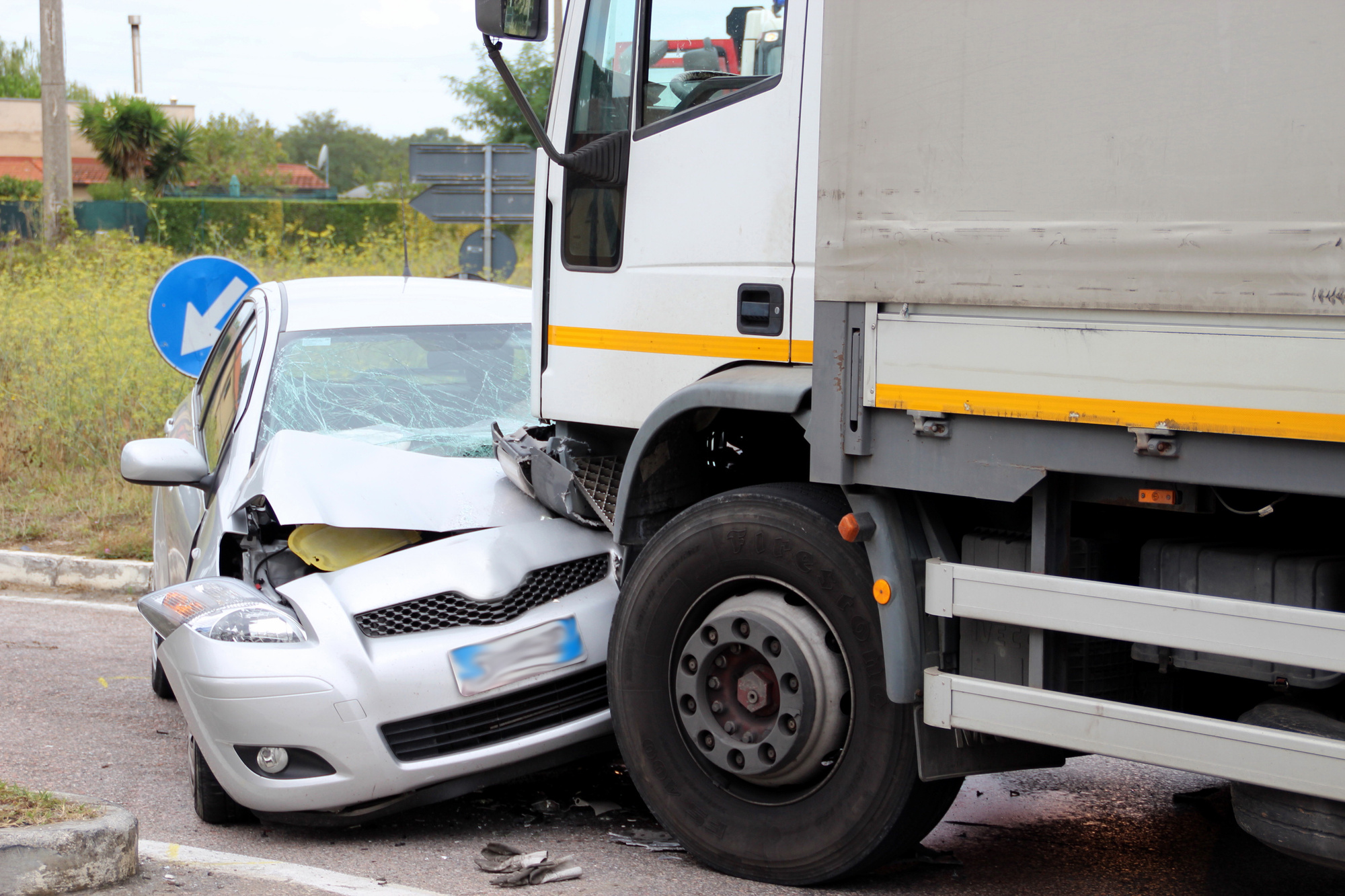
Motor Vehicle Accidents
- Car accidents on winding coastal and mountain roads
- Motorcycle accidents involving tourists unfamiliar with local conditions
- Commercial vehicle accidents on inter-island transport routes
- Rental car accidents involving unfamiliar drivers
Recreational and Tourism-Related Injuries
- Ocean and beach accidents including surfing and swimming injuries
- Hiking and adventure tour accidents in remote locations
- Hotel and resort premises liability incidents
- Activity-specific accidents (zip-lining, snorkeling, parasailing)
Maritime and Aviation Accidents
- Inter-island ferry and boat accidents
- Commercial fishing vessel injuries
- Private boat and yacht accidents
- Helicopter tour and sightseeing flight crashes
Workplace Injuries
- Construction accidents in Hawaii’s building boom
- Agricultural and farming-related injuries
- Hotel and hospitality industry accidents
- Military and defense contractor workplace injuries
Unique Challenges of Personal Injury Cases in Hawaii
Geographic and Logistical Considerations
Hawaii’s island geography creates distinctive challenges for personal injury litigation:
Evidence Preservation and Collection
- Remote accident locations with limited access
- Weather conditions affecting evidence preservation
- Coordination between multiple islands for investigation
- Limited local resources for accident reconstruction
Witness Availability and Testimony
- Tourist witnesses who return to mainland locations
- Difficulty locating and contacting witnesses
- Coordination of depositions across time zones
- Higher costs for witness travel to trial
Medical Treatment and Documentation
- Limited specialist availability requiring mainland treatment
- Coordination between local and mainland healthcare providers
- Higher medical costs affecting damage calculations
- Insurance coverage complications for inter-island care
Cultural and Community Factors
Hawaii’s diverse population and unique culture affect personal injury cases:
Multi-Cultural Considerations
- Language barriers affecting witness testimony
- Cultural attitudes toward litigation and compensation
- Family and community involvement in decision-making
- Traditional healing practices and beliefs
Tourism Industry Impact
- Economic pressure to minimize negative publicity
- Industry relationships affecting local attitudes
- Seasonal population variations affecting jury composition
- Business community concerns about litigation impact
Motor Vehicle Accidents in Hawaii
Unique Driving Conditions and Hazards
Hawaii’s roads present distinctive challenges that contribute to accidents:
Geographic Road Conditions
- Narrow, winding coastal highways with limited visibility
- Steep mountain roads with sharp curves and elevation changes
- One-lane bridges and single-track roads
- Limited shoulder space and emergency stopping areas
Weather-Related Hazards
- Sudden tropical rain showers creating slippery conditions
- Volcanic fog (vog) reducing visibility
- Trade wind effects on vehicle stability
- Flash flooding in low-lying areas
Tourism and Unfamiliar Driver Issues
- Rental car drivers unfamiliar with local road conditions
- Tourists distracted by scenery while driving
- GPS navigation errors leading to dangerous situations
- Different driving customs and practices
Common Types of Vehicle Accidents
Rear-End Collisions
- Tourist drivers stopping unexpectedly for photos
- Traffic backups at popular scenic locations
- Aggressive local drivers tailgating slower tourists
- Intersection accidents at traffic signals
Head-On Collisions
- Passing accidents on narrow two-lane roads
- Wrong-way driving by confused tourists
- Loss of control on winding mountain roads
- Medical emergencies causing loss of vehicle control
Single-Vehicle Accidents
- Rollover accidents on steep, winding roads
- Run-off-road accidents at scenic viewpoints
- Collision with guardrails and barriers
- Accidents involving animals or debris
Insurance Considerations
Hawaii’s insurance requirements and practices affect accident claims:
Minimum Coverage Requirements
- $20,000 per person for bodily injury
- $40,000 per accident for bodily injury
- $10,000 for property damage
- No-fault personal injury protection (PIP) coverage
Rental Car Insurance Complications
- Coverage gaps between personal and rental policies
- International visitor insurance limitations
- Credit card coverage restrictions
- Collision damage waiver considerations
Premises Liability in Hawaii’s Hospitality Industry
Hotel and Resort Liability
Hawaii’s tourism-dependent economy creates extensive premises liability exposure:
Common Hotel and Resort Accidents
- Slip and fall accidents around pools and wet areas
- Balcony and railing failures with serious fall injuries
- Inadequate lighting causing trip and fall accidents
- Security failures leading to assaults and crimes
Maintenance and Safety Issues
- Deferred maintenance due to cost pressures
- Hurricane and storm damage affecting property safety
- Age-related deterioration of older resort properties
- Staffing reductions affecting safety inspections
Guest Safety Obligations
- Duty to warn of known hazards and dangerous conditions
- Adequate security measures for guest protection
- Proper maintenance of swimming pools and recreational facilities
- Emergency evacuation procedures and safety equipment
Beach and Ocean Access Liability
Hawaii’s beaches present unique liability issues:
Public Beach Access and Safety
- Dangerous surf and water conditions
- Inadequate warning signs and safety information
- Lack of lifeguard services at remote beaches
- Parking and pedestrian access hazards
Private Property Beach Access
- Liability for visitors crossing private property
- Maintenance of access paths and walkways
- Warning obligations for dangerous conditions
- Insurance coverage for beach-related injuries
Activity and Adventure Tour Liability
Hawaii’s adventure tourism industry involves significant injury risks:
High-Risk Activities
- Helicopter and aircraft tours
- Ocean activities (surfing, snorkeling, diving)
- Hiking and eco-tours in remote locations
- Zip-lining and adventure park activities
Operator Responsibilities
- Proper equipment maintenance and inspection
- Adequate safety training and instruction
- Weather condition assessment and trip cancellation
- Emergency response and evacuation procedures
Waiver and Release Issues
- Enforceability of liability waivers in Hawaii
- Gross negligence exceptions to waiver protection
- Informed consent requirements for high-risk activities
- Minor participation and parental consent issues
Maritime and Aviation Accidents
Inter-Island Transportation
Hawaii’s reliance on air and sea transportation creates unique accident scenarios:
Commercial Aviation Accidents
- Inter-island passenger flight accidents
- Helicopter tour crashes and emergency landings
- Charter flight accidents involving tourists
- Airport ground accidents and injuries
Maritime Transportation Accidents
- Inter-island ferry accidents and injuries
- Commercial fishing vessel accidents
- Tourist boat and charter vessel incidents
- Harbor and port-related accidents
Recreational Boating and Water Sports
Hawaii’s waters attract numerous recreational activities with injury potential:
Boating Accidents
- Collision between recreational vessels
- Grounding and reef collision accidents
- Equipment failure and mechanical breakdowns
- Alcohol-related boating accidents
Water Sports Injuries
- Surfing accidents and board-related injuries
- Diving and snorkeling accidents
- Jet ski and personal watercraft accidents
- Parasailing and water skiing injuries
Federal vs. State Jurisdiction Issues
Maritime accidents often involve complex jurisdictional questions:
Admiralty and Maritime Law
- Federal court jurisdiction for maritime accidents
- Jones Act claims for injured seamen
- Longshore and Harbor Workers’ Compensation Act
- Death on the High Seas Act (DOHSA) claims
State Law Applications
- Recreational boating accidents in state waters
- Beach and near-shore activity injuries
- Marina and harbor facility accidents
- Integration with state personal injury law
Workers’ Compensation and Third-Party Claims
Hawaii’s Workers’ Compensation System
Hawaii’s workers’ compensation law provides specific protections and limitations:
Coverage Requirements
- Mandatory coverage for most employers
- Benefits for medical expenses and lost wages
- Disability and vocational rehabilitation benefits
- Death benefits for surviving family members
Third-Party Liability Claims
- Right to pursue negligent third parties
- Coordination with workers’ compensation benefits
- Subrogation and reimbursement rights
- Settlement coordination requirements
Construction and Industrial Accidents
Hawaii’s construction boom creates significant injury risks:
Common Construction Accidents
- Falls from heights and scaffolding collapses
- Equipment accidents and machinery injuries
- Electrocution and electrical accidents
- Crane and heavy equipment accidents
Liability Issues
- General contractor vs. subcontractor responsibility
- Property owner liability for contractor injuries
- Equipment manufacturer defect claims
- Safety violation and OSHA compliance issues
Damage Calculations in Hawaii Personal Injury Cases
Economic Damage Considerations
Hawaii’s unique economic environment affects damage calculations:
Medical Expense Recovery
- Higher medical costs compared to mainland markets
- Limited local specialist availability requiring mainland treatment
- Medical evacuation and transport costs
- Ongoing care coordination and travel expenses
Lost Income and Earning Capacity
- Hawaii’s tourism-dependent job market
- Seasonal employment variations
- Cost of living adjustments for wage calculations
- Military and government employment considerations
Property Damage and Replacement Costs
- Higher costs for vehicle repair and replacement
- Limited parts availability and shipping costs
- Rental car expenses during repairs
- Personal property replacement costs
Non-Economic Damage Assessment
Hawaii’s lifestyle and environment affect quality of life damages:
Pain and Suffering Evaluation
- Impact on outdoor recreational activities
- Beach and ocean activity limitations
- Hiking and adventure activity restrictions
- Climate and lifestyle enjoyment effects
Quality of Life Considerations
- Family and community relationship impacts
- Cultural and traditional practice limitations
- Social activity and community involvement effects
- Tourism and hospitality industry employment impacts
Insurance and Coverage Issues
Automobile Insurance in Hawaii
Hawaii’s insurance market has distinctive characteristics:
No-Fault Insurance System
- Personal injury protection (PIP) coverage requirements
- Medical expense and lost wage benefits
- Threshold requirements for pain and suffering claims
- Coordination with health insurance coverage
Uninsured and Underinsured Motorist Coverage
- Optional coverage for inadequately insured drivers
- Protection against hit-and-run accidents
- Coverage for tourists and visitors
- Stacking and coordination issues
Tourism Industry Insurance
Hawaii’s tourism industry involves complex insurance arrangements:
Activity Operator Insurance
- General liability coverage for tour operators
- Professional liability for activity instruction
- Property damage and equipment coverage
- Umbrella policies for catastrophic claims
Hotel and Resort Coverage
- Premises liability insurance for guest injuries
- Liquor liability for hotel bars and restaurants
- International guest coverage considerations
- Business interruption insurance coordination
Unique Aspects of Hawaii Personal Injury Practice
Cultural Sensitivity and Community Relations
Effective personal injury practice in Hawaii requires cultural awareness:
Native Hawaiian Considerations
- Traditional healing practices and beliefs
- Family and community involvement in decisions
- Cultural attitudes toward litigation and compensation
- Land and environmental protection concerns
Multi-Cultural Community Dynamics
- Asian and Pacific Islander cultural considerations
- Military community relationships and concerns
- Mainland transplant expectations and attitudes
- Tourism industry worker perspectives
Local Legal Practice Considerations
Hawaii’s legal community has distinctive characteristics:
Limited Legal Market
- Smaller pool of attorneys and experts
- Professional relationships within legal community
- Referral patterns and collaboration practices
- Continuing education and professional development
Judicial System Characteristics
- State and federal court procedures and practices
- Judge familiarity and case management preferences
- Jury composition and community attitudes
- Settlement conference and alternative dispute resolution
Working with a Hawaii Personal Injury Lawyer
Local Knowledge and Experience
Effective representation requires understanding Hawaii’s unique environment:
Geographic and Logistical Expertise
- Knowledge of accident-prone locations and conditions
- Understanding of inter-island transportation and communication
- Familiarity with local emergency services and medical facilities
- Experience with weather and environmental factors affecting cases
Legal System Navigation
- Hawaii court system procedures and requirements
- Local bar relationships and professional networks
- Insurance company practices and settlement patterns
- Expert witness availability and qualification
Case Investigation and Development
Successful Hawaii personal injury cases require specialized investigation:
Evidence Collection and Preservation
- Accident scene documentation and photography
- Weather and environmental condition documentation
- Witness identification and interview coordination
- Expert witness retention and case development
Medical and Damage Documentation
- Coordination with local and mainland healthcare providers
- Life care planning and future medical needs assessment
- Economic analysis considering Hawaii’s unique costs
- Quality of life impact evaluation
Building Strong Personal Injury Cases
Expert Witness Development
Hawaii cases often require specialized expert testimony:
Accident Reconstruction Experts
- Engineers familiar with Hawaii road and weather conditions
- Aviation and maritime accident specialists
- Recreational activity and equipment experts
- Tourism industry safety and standard experts
Medical and Rehabilitation Experts
- Local physicians familiar with Hawaii healthcare delivery
- Mainland specialists for complex injury assessment
- Life care planners understanding Hawaii’s care options
- Vocational experts familiar with Hawaii’s job market
Settlement vs. Trial Considerations
Hawaii’s legal environment affects litigation strategy:
Settlement Advantages
- Reduced costs for expert witness travel and testimony
- Faster resolution considering geographic challenges
- Privacy considerations in close-knit community
- Certainty of recovery amount and timing
Trial Benefits
- Potential for higher damage awards
- Public accountability for defendants
- Precedent setting for similar cases
- Justice and vindication for injured parties
Recovery and Moving Forward
Medical Care and Rehabilitation
Successful case resolution supports optimal recovery:
Local Care Coordination
- Integration with Hawaii healthcare providers
- Rehabilitation and therapy service access
- Adaptive equipment and assistive technology
- Home modification and accessibility improvements
Mainland Specialist Care
- Coordination with mainland medical centers
- Travel and accommodation for ongoing treatment
- Family support during extended mainland care
- Integration of mainland and local care plans
Life Planning and Security
Effective resolution provides foundation for future:
Financial Security and Planning
- Income replacement and earning capacity protection
- Medical expense coverage for ongoing needs
- Educational and vocational rehabilitation support
- Family support and independence preservation
Quality of Life Restoration
- Adaptive equipment for Hawaii lifestyle participation
- Home and community accessibility modifications
- Recreational and social activity accommodation
- Cultural and spiritual practice continuation
Prevention and Safety Advocacy
Community Safety Improvement
Personal injury cases can drive safety improvements:
Road and Traffic Safety
- Improved signage and road maintenance
- Tourist education and safety programs
- Enhanced emergency response capabilities
- Vehicle safety and inspection programs
Tourism Industry Safety
- Activity operator safety standard improvements
- Hotel and resort safety protocol enhancements
- Emergency response and evacuation planning
- Staff training and safety awareness programs
Individual Safety Awareness
Personal injury prevention involves individual responsibility:
Visitor Safety Education
- Road condition and driving safety awareness
- Ocean and beach safety education
- Activity risk awareness and preparation
- Emergency contact and communication planning
Resident Safety Practices
- Defensive driving techniques for tourist traffic
- Home and property maintenance for safety
- Workplace safety awareness and compliance
- Community safety involvement and advocacy
Conclusion
Personal injury law in Hawaii presents unique challenges and opportunities that require specialized knowledge and experienced representation. The combination of geographic isolation, diverse cultural communities, tourism industry pressures, and distinctive legal requirements creates a complex environment for pursuing justice after preventable injuries.
Whether you’ve been injured in a motor vehicle accident, suffered harm at a hotel or resort, been hurt in a recreational activity, or sustained workplace injuries, you deserve experienced legal representation that understands Hawaii’s distinctive legal and practical challenges. The team at Cummings Law Hawaii has the knowledge, resources, and commitment necessary to evaluate your case, navigate Hawaii’s legal system, and fight for the compensation you deserve.