Last Updated: November 23, 2026
Quick Summary
Permanent disability in an injury claim means a lasting physical or mental impairment that will not improve with further treatment, measured against how it limits your ability to work and live as you did before. Loss of enjoyment of life is a non-economic damage that compensates you for the inability to pursue hobbies, recreation, and daily pleasures that gave life meaning before the injury.
- Impairment is measurable loss of function; disability is the practical consequence in your life and work.
- Document changes to your routines as they happen by keeping a simple activity journal.
- Proving loss of enjoyment requires before-and-after evidence such as photographs, activity logs, and witness statements.
- Economic damages cover medical expenses and lost earning capacity; non-economic damages cover pain and loss of enjoyment.
- Accepting a settlement before long-term effects are understood can leave future losses uncompensated.
Table of Contents
- What Does Permanent Disability Mean in an Injury Claim?
- How Permanent Disability Changes Daily Life and Independence
- Loss of Enjoyment of Life as a Non-Economic Damage
- Non-Economic Damages in Personal Injury Claims
- Proving Loss of Enjoyment of Life: Evidence That Works
- Catastrophic Injury Settlement Examples and Claim Types
- How Damages Are Calculated and Whether They Can Be Valued Separately
- Planning Your Next Step After a Permanent Injury
- Frequently Asked Questions
What Does Permanent Disability Mean in an Injury Claim?
Permanent disability in an injury claim means a lasting physical or mental impairment that will not improve with further treatment, measured against how it limits your ability to work and live as you did before. According to Mercer Advisors’ 2026 disability analysis, 28.4% of Americans ages 45-64 have a disability, and Guardian Life’s 2026 risk assessment notes that more than one in four 20-year-olds is likely to become disabled before retirement. At Cummings Law, we see the legal question less as a diagnosis and more as a threshold: has your condition stabilized to the point where the remaining limitations are the ones you will live with?
How Impairment and Disability Differ
Impairment is the measurable loss of function in a body part or system. Disability is the practical consequence of that impairment in your life and work. A rating of 20% impairment to a shoulder is a clinical number. Whether that shoulder keeps you off a ladder, out of a kayak, or off the job site is the disability question, and it is the one that drives claim value. For how disability ratings and lost earning capacity shape compensation, see how to get personal injury compensation for permanent disability.
How Permanent Disability Changes Daily Life and Independence
A permanent injury rewrites the small routines first: dressing, driving, carrying groceries, sleeping through the night. The larger losses follow, and they are the ones clients describe most vividly, from giving up a weekend softball league to needing help with household repairs they once handled alone. Competitors stop there.
Mobility and physical function. Stairs, uneven ground, prolonged standing, lifting, and repetitive motion become daily calculations. A torn rotator cuff can end a roofing career; a spinal cord injury can require a wheelchair, a ramp, and a modified bathroom. These changes generate measurable costs: durable medical equipment, home modifications such as widened doorways and roll-in showers, vehicle adaptations, and ongoing physical therapy.
Sensory and cognitive function. Vision or hearing loss changes driving, conversation, and workplace safety. Traumatic brain injuries can affect memory, concentration, and emotional regulation in ways that are invisible to a casual observer but devastating to employment and relationships. These impairments often require neuropsychological testing and vocational assessment to document.
Psychological function. Chronic pain, PTSD, anxiety, and depression can be as disabling as physical injury. They affect sleep, appetite, social connection, and the ability to return to work, and they are documented through mental health treatment records and clinician testimony.
Life-stage and occupational context. The same impairment lands differently on a 28-year-old carpenter, a 45-year-old surgeon, and a 67-year-old retire who volunteers at a food bank. Age, occupation, family role, and pre-injury hobbies all shape the disability question. A loss-of-enjoyment claim for a semi-professional athlete looks nothing like one for a grandparent who can no longer lift a grandchild.
Future-life impact and life-care planning. Permanent limitations rarely stay static. A life-care plan prepared by a rehabilitation specialist or nurse consultant projects future medical needs, assistive devices, home modifications, transportation, and attendant care over the claimant’s expected lifespan. That plan converts vague future hardship into itemized economic damages and also supports the non-economic loss-of-enjoyment narrative.
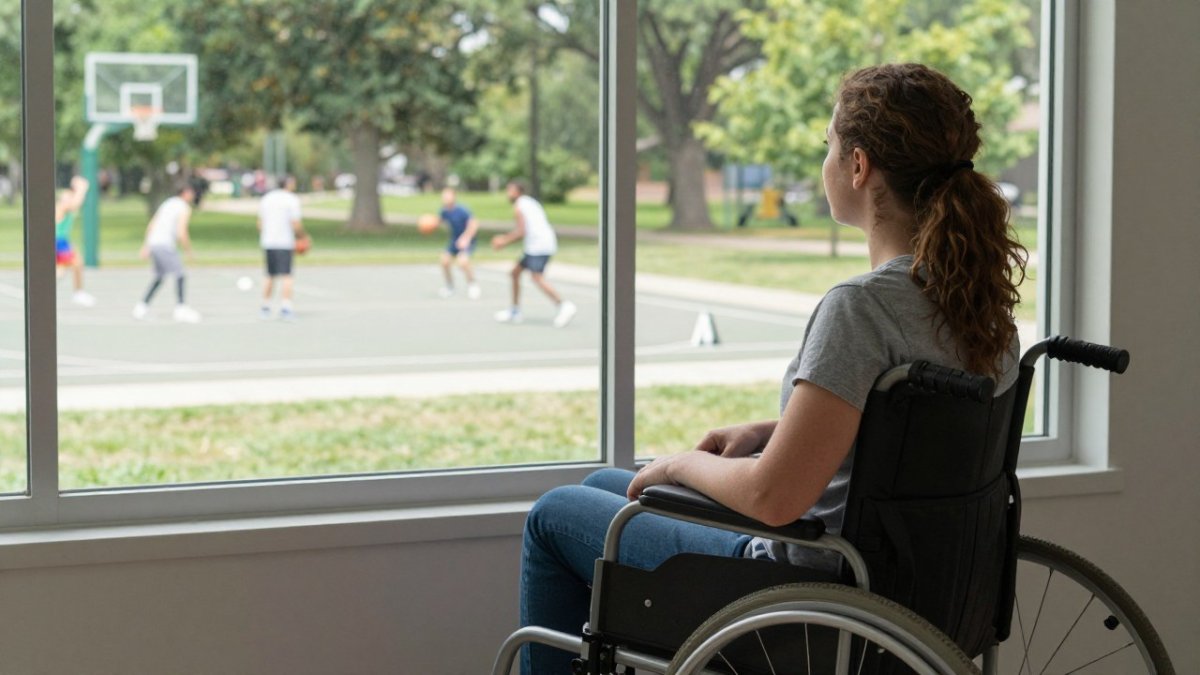
Diminished quality of life is not self-pity. It is a recognized category of harm, and the details of your before-and-after comparison are what make it visible to an insurer or a jury. Documenting how your routines changed as they happen helps preserve accurate records, so consider keeping a simple activity journal.
Loss of Enjoyment of Life as a Non-Economic Damage
Loss of enjoyment of life is a non-economic damage that compensates an injured person for the inability to pursue hobbies, recreation, and the daily pleasures that gave life meaning before the injury. It sits alongside pain and suffering, emotional distress, and disfigurement as harms that carry no receipt. Our guide to loss of enjoyment of life compensation explains what the damage covers and how claims are built.
Non-Economic Damages in Personal Injury Claims
Non-economic damages in personal injury cases cover physical pain, emotional suffering, anxiety, depression, and the loss of independence that follows a catastrophic injury. They are recoverable in a personal injury claim or lawsuit, but the legal standard and any limits come from state law, not a national formula. That variability is real: Social Security Administration research documents how states use differing methods, often relying on impairment ratings and wage-based calculations, to value permanent partial disability. Because the rules differ by jurisdiction, a Hawaii injury claim is evaluated under Hawaii law, and we assess each case on that basis.
Proving Loss of Enjoyment of Life: Evidence That Works
Proving loss of enjoyment of life requires documentation that shows what you did before the injury and what you cannot do now. Medical records establish the physical limitations and functional restrictions. Lay witnesses, including family and friends, describe the changes they have observed. A practical evidence checklist helps:
- Photographs and video of you engaged in activities before the accident
- Activity logs recording what you attempted and could not complete
- Statements from coaches, club members, or fellow hobbyists
- Treating physician’s notes on functional limitations
- Mental health records documenting anxiety or depression
- A life-care plan projecting future needs and future care costs
Our breakdown of 7 ways to prove loss of enjoyment of life after a workplace injury walks through each category in detail.
Catastrophic Injury Settlement Examples and Claim Types
Catastrophic injury settlement examples show how differently these claims resolve depending on the claim type. A motor vehicle accident claim, a workers’ compensation claim, and a medical malpractice lawsuit each follow separate rules, separate evidence standards, and often separate damage caps. A car accident case may allow non-economic damages that a workers’ compensation claim does not. Settlements we have obtained for clients have ranged from $1.995 million to $15 million, and each outcome reflects the facts of the case.
How Damages Are Calculated and Whether They Can Be Valued Separately
Damages in a permanent disability case are built in two layers. Economic damages are the measurable losses: past and future medical expenses, rehabilitation, assistive equipment, home modifications, lost wages, and lost earning capacity. Non-economic damages are the human losses: pain, suffering, emotional distress, disfigurement, loss of consortium, and loss of enjoyment of life. The calculation method for each layer differs, and the rules come from state law rather than a national formula.
How economic damages are calculated. Past medical bills are documented with records and billing statements. Future medical costs are projected through a life-care plan. Lost earning capacity is generally estimated by comparing pre-injury earnings and career path with post-injury capacity, and the analysis may involve vocational and economic professionals.
How non-economic damages are calculated. Methods for valuing non-economic damages vary by jurisdiction, and the applicable approach depends on the governing law.
Can loss of enjoyment be valued separately? It depends on the jurisdiction. Whether loss of enjoyment is valued as a separate item depends on the jurisdiction and its governing law. The practical consequence is that a claim worth a separate line item in one state may be compressed into a single number in another. That is one reason a settlement figure from a different state tells you very little about your own case.
Caps and statutory limits. Disability insurance and Social Security disability benefits are separate contractual or statutory programs with their own definitions of disability, and receiving them does not automatically resolve a tort claim.
Why timing matters. Future damages must be projected before a case resolves, because a settlement typically ends the claim. If the long-term effects of a permanent injury are not yet fully understood, resolving early can permanently forfeit compensation for deterioration that later becomes apparent. Accepting a settlement before the long-term effects of an injury are understood can leave future losses uncompensated.
For a closer look at how lost earning capacity changes the math, read 7 ways lost earning capacity affects injury settlements.
Damages in a permanent disability case split into two layers, each with its own evidence and calculation method.
| Layer | What it covers | How it is calculated |
|---|---|---|
| Economic damages | Medical expenses, rehabilitation, equipment, home modifications, lost wages, lost earning capacity | Records and billing statements; life-care plan; vocational and economic professionals |
| Non-economic damages | Pain, suffering, emotional distress, disfigurement, loss of consortium, loss of enjoyment of life | Methods vary by jurisdiction and depend on governing law |
| Loss of enjoyment as separate item | Depends on the jurisdiction and its governing law | May be a separate line item or compressed into one number |
| Caps and statutory limits | Disability insurance and Social Security disability benefits are separate programs | Own definitions of disability; do not automatically resolve a tort claim |
Planning Your Next Step After a Permanent Injury
Act early, because evidence degrades and deadlines are unforgiving. Start by gathering your medical records, photographing your limitations, and writing down what you can no longer do. Then speak with an attorney who handles permanent disability claims in your jurisdiction before you accept any settlement offer. Our guide on how to maximize your personal injury settlement outlines the practical steps.
At Cummings Law, we work on a contingency basis, so you pay no attorneys’ fees or court fees until your case is complete. Brian Cummings and our team investigate thoroughly, gather evidence that supports your claim, and guide you through the process without upfront financial burden. We have obtained over $47,000,000 for clients in the past few years. If a permanent injury has changed what you can do, call for a consultation and let us review your case.
Permanent injuries rarely resolve on their own, and the compensation you recover depends on how well the lasting impact is documented. Cummings Law offers a contingency-fee consultation, thorough case investigation, and representation focused on the full scope of your losses. Get started with Cummings Law and find out what your claim is actually worth.
Frequently Asked Questions
What evidence is required to prove permanent disability?
You need medical records, physician opinions, and functional capacity evaluations that document lasting limitations. The AMA Guides to the Evaluation of Permanent Impairment provide a standardized framework for measuring impairment. Courts also look at diagnostic imaging, treatment history, and testimony about how the injury restricts work capacity and daily activities.
Can I recover compensation for loss of enjoyment if I am permanently disabled?
Yes, loss of enjoyment of life is a non-economic damage that can be claimed alongside permanent disability. You must show how the injury prevents you from engaging in hobbies, recreational activities, and normal activities you once enjoyed. Evidence such as before-and-after comparisons, testimony from family and friends, and a documented evidence checklist strengthens the claim.
How does a permanent disability affect the total value of a settlement?
A permanent disability typically raises claim value because it supports future care, lost work capacity, and diminished quality of life. Non-economic damages like pain and suffering and emotional distress are added to economic losses. The amount depends on the severity of functional limitations, life expectancy, and how state law treats these damages.
What is the difference between economic and non-economic damages?
Economic damages cover measurable losses such as medical bills and lost wages. Non-economic damages compensate for subjective harm, including pain and suffering, emotional distress, and loss of enjoyment of life. Both categories can be part of a personal injury claim, but non-economic damages require evidence of how the injury affects daily activities and independence.