Last Updated: November 1, 2026
Quick Summary
Recovering medical costs for hawaii vacation injuries starts with getting emergency treatment and documenting everything, then identifying every liable party and their insurance. You can tap travel insurance medical coverage, coordinate health insurance, travel insurance and a liability claim, and file a personal injury claim as a tourist.
- Skipping the official incident report is the mistake that sinks the most claims.
- Hawaii applies comparative fault rules, which can reduce recovery when the injured person shares responsibility.
- The liability insurer is typically the last payer because it pays for someone else’s fault.
- You can file a personal injury claim as a tourist; residency is not a requirement.
- Cummings Law handles vacation injury cases on a contingency basis with no upfront fees.
Table of Contents
- Step 1: Get Emergency Treatment and Document Everything
- Step 2: Understand Who May Be Liable for Your Hawaii Vacation Injuries
- Step 3: Tap Your Travel Insurance Medical Coverage
- Step 4: Coordinate Health Insurance, Travel Insurance, and a Liability Claim
- Step 5: Learn How to File a Personal Injury Claim as a Tourist
- Step 6: Gather the Documents Needed for a Personal Injury Claim
- Step 7: Work With a Hawaii Injury Attorney on Your Recovery
- Get a Free Consultation With Cummings Law
- Frequently Asked Questions
Step 1: Get Emergency Treatment and Document Everything
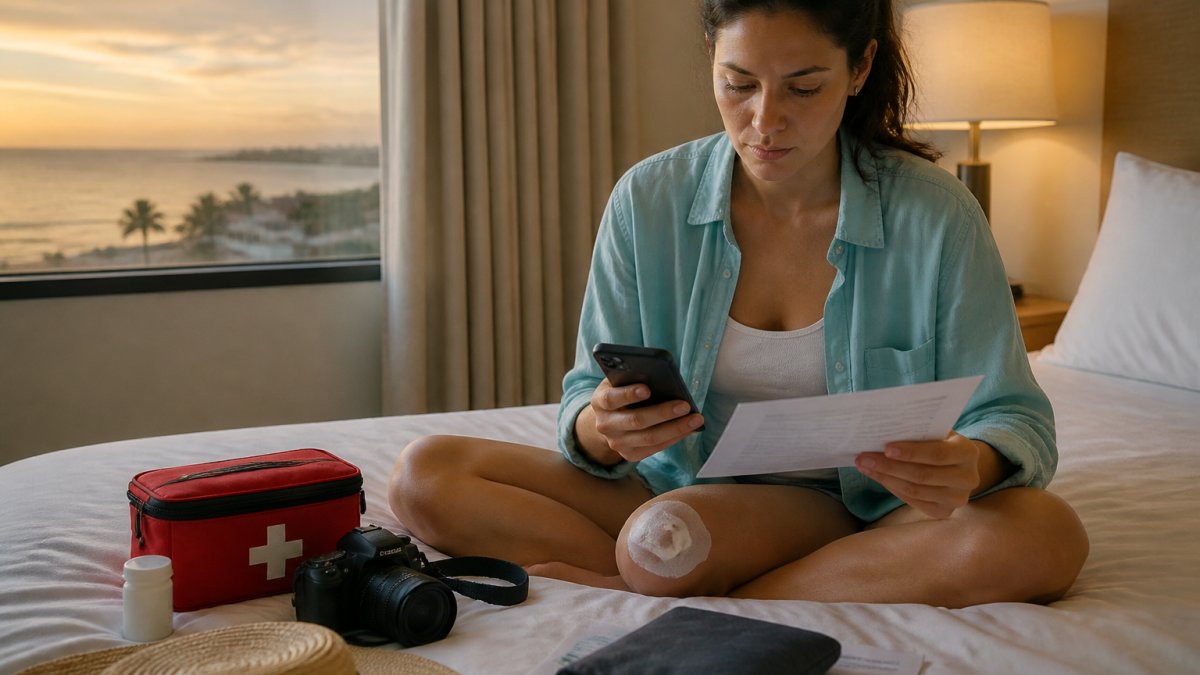
Your health comes first. Seek care at the nearest emergency room or urgent care clinic, then document the injury before memories fade. Recovering medical costs for Hawaii vacation injuries starts with a clean, complete record of what happened and what you paid. (Source: four elements of negligence)
This guide walks you through recovery one step at a time.
What to Do in the First 24 Hours
- Call 911 or go to the nearest emergency room for serious injuries
- Keep every receipt, bill, and discharge paper
- Photograph the scene, your injuries, and any hazards
Watch out: skipping the official incident report is the mistake that sinks the most claims. Without it, the at-fault party can argue the injury happened somewhere else.
Step 2: Understand Who May Be Liable for Your Hawaii Vacation Injuries
Liability means legal responsibility for harm caused by careless conduct. In vacation injury cases, more than one party can share that responsibility, and each one may carry insurance that pays. Identifying every responsible party early matters because each policy is a potential source of recovery, and each has its own notice requirements and deadlines.
The Four Elements of Negligence
Negligence is the core legal test. You must show that someone owed you a duty of care, breached it, and caused your injury, and that the breach produced actual damages. A hotel with a broken railing, a tour operator with unsafe equipment, or a driver who ran a red light all fit that pattern. The facts decide which duty applies and how high the bar is set.
How Responsibility Shifts by Scenario
| Scenario | Likely Responsible Party | Key Evidence | What to Prove |
|---|---|---|---|
| Slip and fall at a hotel | Property owner or manager | Incident report, photos of hazard | Notice of the hazard and failure to fix it |
| Rental car crash | At-fault driver, rental company | Police report, dashcam footage | Driver negligence; rental company liability is limited |
| Tour or activity injury | Tour operator, equipment owner | Waiver, witness statements | Unsafe equipment, poor training, or ignored conditions |
| Food poisoning | Restaurant or vendor | Receipts, medical records | Unsafe food handling and causation |
| Drowning or pool injury | Property owner, lifeguard service | Incident report, maintenance logs | Missing safety features or supervision |
| Beach or ocean injury | Property owner, tour operator, government entity | Warning signs, weather records | Whether a duty was owed and breached |
Premises Liability: Hotels, Rentals, and Beaches
Property owners generally owe visitors a duty to keep the premises reasonably safe and to warn of hidden hazards (invitee | Wex | US Law). A hotel with a torn carpet, a rental with a broken stair, or a resort with an unmarked pool edge can all be premises-liability targets. Notice is often the battleground: did the owner know or should it have known about the hazard?
Tour Operators and Activity Providers
Tour operators, snorkel guides, surf schools, and equipment renters owe participants a duty to use reasonable care. Waivers do not automatically bar a claim, they may be unenforceable for gross negligence or for risks the operator failed to disclose. Equipment maintenance records, staff training, and weather decisions are common evidence. If the operator is a small local business, confirm its insurance before investing in the claim.
Transportation and Rideshare Crashes
Drivers owe other road users a duty to follow traffic laws and drive reasonably. Rental companies generally are not liable for a renter’s negligence, but they may be liable for their own maintenance failures. Rideshare and shuttle companies may carry commercial policies. The police report, dashcam footage, and witness statements are the core evidence.
Comparative Fault Reduces Recovery
Hawaii applies comparative fault rules, which can reduce recovery when the injured person shares some responsibility for the accident. An attorney can explain how these rules would apply to your situation. A jury might assign fault for ignoring a warning sign, entering a closed area, or failing to use available safety equipment. That is why the incident report and photos matter: they shape how fault is allocated.
Photograph warning signs, barriers, and the exact location of the hazard. In comparative-fault states, a photo showing you ignored a clear warning can reduce your recovery more than any other single piece of evidence.
Why Multiple Parties Matter
More than one party can share responsibility, for example, a hotel and an independent contractor, or a tour operator and an equipment manufacturer. Each may have separate insurance and separate notice deadlines.
Tourists can sue for Hawaii accidents, and the statute of limitations governs how long you have. Read the legal guide on tourist lawsuits to understand liability and deadlines before you act.
Step 3: Tap Your Travel Insurance Medical Coverage
Travel insurance medical coverage is a policy that pays for emergency treatment away from home, often before any lawsuit is filed.
Check your policy for emergency medical limits, deductibles, and exclusions. Then call the insurer’s emergency line before treatment when possible.
Hawaii insurance claims for visitors follow their own rules on which policy pays first. Learn which policy pays and what evidence to gather before you file.
Step 4: Coordinate Health Insurance, Travel Insurance, and a Liability Claim
Your health insurance, travel policy, and liability claim can all pay toward the same injury, but they coordinate in a set order. Miss that order and you risk paying twice, losing reimbursement, or handing a windfall to an insurer that already paid.
Which Payer Usually Pays First
A common pattern is that the provider bills your health plan first for treatment, your travel policy pays emergency medical benefits or reimburses you for covered costs, and the liability claim resolves last. The liability insurer is typically the last payer because it is paying for someone else’s fault, not for routine coverage. Some travel policies, however, are primary for emergency medical care away from home, and some health plans have out-of-network rules that change the order.
- Health insurance: pays under your plan’s network, deductible, and coinsurance rules. Out-of-network emergency care is often covered at in-network rates, but confirm the plan’s emergency exception.
- Travel insurance: pays emergency medical costs, evacuation, and sometimes a cash indemnity benefit. Many policies require pre-authorization or a call to the emergency assistance line within a set window.
- Liability claim: recovers the full value of damages, medical bills, lost income, pain and suffering, from the at-fault party or its insurer.
How Subrogation and Reimbursement Work
Subrogation is an insurer’s right to recover what it paid from the party that caused the injury.
A common pattern is that the final settlement is divided among your attorney’s contingency fee, medical liens, and your remaining recovery. Ask each insurer in writing whether it asserts a lien and how it calculates the amount. Keep every explanation-of-benefits statement and reimbursement letter.
Avoid Double Recovery and Unpaid Balances
- Keep a single ledger listing every provider, bill, payment, adjustment, and reimbursement.
- Do not accept a liability settlement until you know which insurers have paid and which have asserted liens.
- Tell each insurer about the others. Non-disclosure can void coverage or trigger a fraud review.
If you settle a liability claim before resolving health-plan or travel-insurer liens, you can be left owing the liens out of your own pocket. Resolve lien amounts in writing before you sign a release.
A Practical Coordination Workflow
- Get treatment and keep every bill and explanation of benefits.
- Call your travel insurer’s emergency line and open a claim.
- Submit the bills to your health plan and track what it pays and what it denies.
- Notify the at-fault party’s insurer in writing and preserve evidence.
- Ask each payer whether it asserts a lien or subrogation right.
- Resolve liens and unpaid balances before you sign any release.
Hawaii insurance claims for visitors follow their own rules on which policy pays first. Learn which policy pays and what evidence to gather before you file.
Step 5: Learn How to File a Personal Injury Claim as a Tourist
You can file a personal injury claim as a tourist even though you do not live in Hawaii.
Start by notifying the responsible party’s insurer in writing. Then preserve evidence and track every deadline, because Hawaii sets a limited window for injury lawsuits.
Tourists can sue for Hawaii accidents, and the statute of limitations governs how long you have. Read the legal guide on tourist lawsuits to understand liability and deadlines before you act.
Step 6: Gather the Documents Needed for a Personal Injury Claim
The documents needed for a personal injury claim prove three things: that the injury happened, that someone else caused it, and what it cost you. Build the file early and keep copies of everything.
- Medical records, imaging, and discharge summaries
- Itemized bills, receipts, and proof of payment
- The police report or incident report
A Hawaii police report is often the single most useful document in the file. See how to obtain and correct a police report for your claim.
Step 7: Work With a Hawaii Injury Attorney on Your Recovery
An experienced attorney can carry the claim while you focus on healing. We investigate the scene, line up evidence, and deal with insurers who routinely undervalue out-of-state claims.
Contingency fees mean you pay nothing upfront. Understand how contingency fees work so you know the cost before you sign.
If you are unsure whether you have a case as a visitor, see how hiring a lawyer for a tourist accident works.
Get a Free Consultation With Cummings Law
Sorting out medical bills after an injury far from home is stressful, and insurers count on you giving up. Cummings Law has obtained over $47,000,000 for clients in the past few years, and we handle vacation injury and personal injury cases on a contingency basis. You pay no attorneys’ fees or court fees until your case is complete, and founder Brian Cummings is well-respected for courtroom performance.
Frequently Asked Questions
Who pays medical bills if you get injured on vacation in Hawaii?
Who pays depends on the cause of the injury. If another party’s negligence caused it, that party or their insurer may be responsible for your medical costs. Your own health insurance and any travel insurance medical coverage can pay first while a liability claim is pending. In Hawaii, visitors can pursue a personal injury claim against a negligent hotel, tour operator, property owner, or driver. An attorney can review your situation and identify every available source of payment.
Can I file a personal injury claim if I was injured while visiting Hawaii?
Yes. Visitors have the same right to file a personal injury claim as residents when someone else’s negligence causes their injuries. You will need to show that the responsible party owed you a duty of care, breached it, and caused your injuries. Evidence like incident reports, photos, witness statements, and medical records strengthens your case. Hawaii sets a deadline for filing injury lawsuits, so act promptly and speak with a Hawaii attorney about the deadline that applies to your claim.
What records should I keep to support a Hawaii vacation injury claim?
Keep every medical record, bill, and receipt from your treatment, including emergency room visits, follow-up care, and prescriptions. Save the incident report, photos of the scene, witness contact information, and any correspondence with insurers. Also track lost wages and travel disruption costs caused by the injury. These documents are essential for both insurance reimbursement and a personal injury claim. An attorney can help you organize them and identify what is still missing.
Does travel insurance cover medical bills from a vacation injury?
Many travel insurance policies include emergency medical coverage, but the details vary widely. Check your policy’s limits, deductible, and exclusions, especially for pre-existing conditions and adventure activities. Some plans require you to pay providers upfront and seek reimbursement later. Keep all receipts and file your claim promptly. If another party caused your injury, your travel insurance may coordinate with a liability claim, and an attorney can help you avoid missing out on compensation.