Table of Contents
- When You Need to File or Request a Police Report After an Accident
- Identifying Which Police Department Handled Your Crash
- Hawaii Police Report Request: Online, Phone, Email, and In-Person Options
- Hawaii Accident Report Lookup: What Information You’ll Need
- How to Get a Copy of a Police Report After a Car Accident in Hawaii
- Filing a Hawaii Hit-and-Run Police Report and Obtaining Records
- Processing Times, Fees, and What to Do If Your Report Contains Errors
- Why Your Police Report Matters for Your Personal Injury Claim
- Frequently Asked Questions
Last Updated: October 6, 2026
When You Need to File or Request a Police Report After an Accident
After a Hawaii collision, you may need to file a report or request a copy, and understanding how to get a police report after a Hawaii accident is essential for your claim. If you were involved in a crash, you file with police.
Hawaii law expects drivers to report crashes involving injury, death, or significant property damage. Even minor fender benders may warrant a report if you plan to file an insurance claim.
Here’s when you should file or request a police report:
- You caused injury or death, Report immediately
- Property damage exceeds $3,000, Report required
- Hit-and-run occurred, Report to police at once
- You need documentation for insurance, Request a copy
- You’re pursuing a legal claim, Request a copy for your attorney
The police report is critical evidence, documenting the crash date, time, location, driver and vehicle details, and witness statements. Insurers and personal injury attorneys rely on it.
If you were injured in the accident, don’t delay getting a police report. The sooner you have official documentation, the stronger your claim becomes. At Cummings Law, we’ve seen how a timely, thorough police report can make the difference in accident settlements.
Identifying Which Police Department Handled Your Crash
Finding the right agency is your first step, and where most requests stall.
The four county agencies and their records units
- Honolulu Police Department (HPD), covers the City and County of Honolulu, which is the entire island of Oahu. Records requests go through HPD’s Records and Identification Division.
- Hawaii Police Department (HPD, Big Island), covers Hawaii County, the entire island of Hawaii. Records requests go through the Records and Identification Section at the Hilo or Kona station.
- Maui Police Department (MPD), covers Maui County, which includes Maui, Molokai, Lanai, and Kahoolawe. Records requests go through MPD’s Records Section in Wailuku.
- Kauai Police Department (KPD), covers Kauai County, which includes Kauai and Niihau. Records requests go through KPD’s Records Section in Lihue.
Jurisdiction is not always the county
A crash on a state highway may be worked by the county department with jurisdiction over that stretch, but incidents at Daniel K.
How to confirm which agency handled your crash
- Check your paperwork. The responding officer should have given you a card, case number, or report number belonging to one agency.
- Check the crash location against the county map. Oahu is HPD; the Big Island is Hawaii Police Department; Maui, Molokai, and Lanai go to MPD; Kauai and Niihau go to KPD.
- Call the non-emergency line for the county you believe handled the crash and ask the records unit to search by date, time, and location. Never call 911 for this.
- If still unsure, call the county records unit closest to the crash location; if they lack a matching report, they can usually say which agency has it.
A common pattern: readers who left without a report number assume the county is obvious, then find the crash was on a state road or private property handled by a different unit.
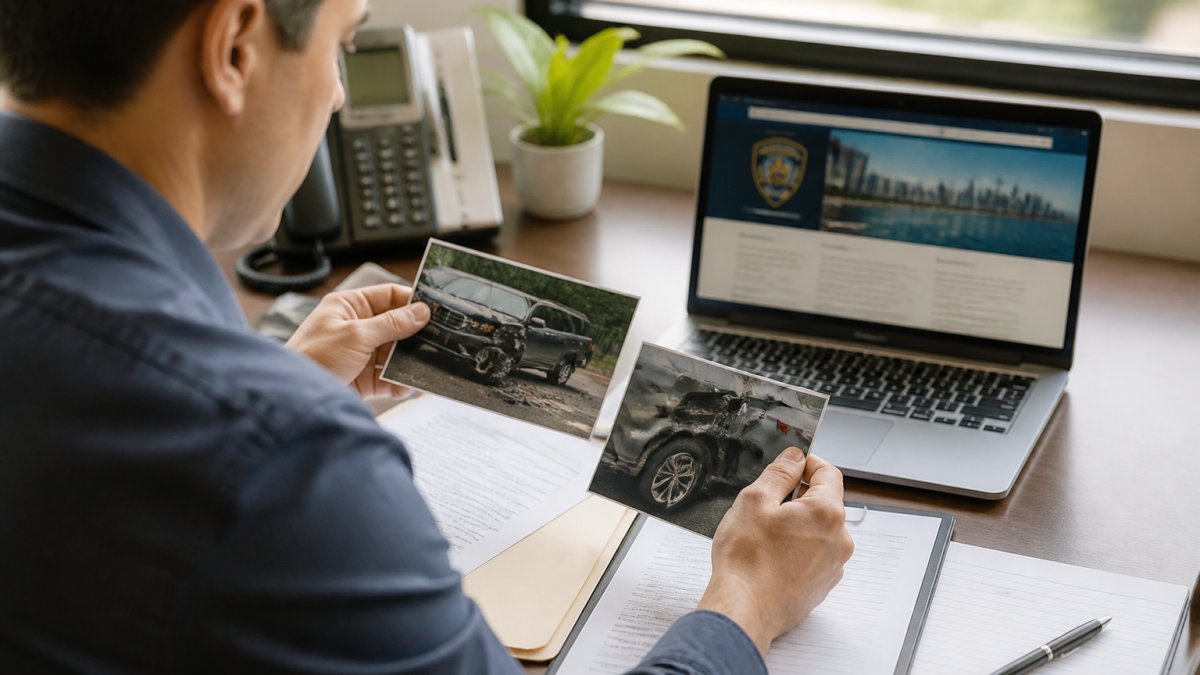
Hawaii Police Report Request: Online, Phone, Email, and In-Person Options
First: confirm the report type you need
A traffic crash report is standard for a collision investigated by a county police department.
Who can request a copy
Eligibility rules vary, but typically these parties can request a crash report:
- A driver or passenger involved in the crash
- The registered owner of a vehicle involved
- A parent or legal guardian of a minor involved
- An attorney representing an involved party
- An insurance company or adjuster with a legitimate claim interest
- A representative with signed authorization from an involved party
If you are not the involved party, expect to provide signed authorization or power of attorney.
Identification and authorization checklist
- Government-issued photo ID (driver’s license, state ID, or passport)
- Your report or incident number, if you have it
- Crash date, approximate time, and location
- Names of drivers and vehicles involved
- A signed authorization letter if you are requesting on someone else’s behalf
- Proof of insurance or claim number if you are an insurer or adjuster
Request methods
Online, Several county departments accept online requests through records portals.
Phone, Call the records unit with your report number, crash date, location, and driver names ready.
Email, Some records units accept emailed requests.
In person, Visit the records office with your ID and payment.
Mail, Some departments accept mailed requests with a check and a self-addressed stamped envelope.
What to do when you do not have a report number
This is the most common obstacle. If you left without a number, you can still request the report with:
- The exact date of the crash
- The approximate time window
- The street address, intersection, or mile marker
- The names of the drivers involved
- The license plate numbers, if you recorded them
Records staff search by date and location.
The fastest path is usually in person at the correct county records unit with your ID and report number. If you do not have a report number, call the records unit first so staff can confirm they can locate the report before you pay a fee.
Honolulu Police Department records and identification division
Hawaii Police Department records section
Maui Police Department records section
Kauai Police Department records section
Hawaii Accident Report Lookup: What Information You’ll Need
Before requesting your report, gather the details you have. The more you provide, the faster police can locate your accident.
Essential Information
- Crash date, The exact date of the accident
- Crash time, The approximate time the accident occurred
- Crash location, The street address or intersection where the accident happened
- Report number, If you received one at the scene
- Incident number, Sometimes provided separately from the report number
- Driver names, Names of all drivers involved
- License plate numbers, From all vehicles involved
- Vehicle information, Make, model, and year of each vehicle
Additional Details That Help
- Driver’s license numbers
- Insurance company names
- Witness names and contact information
- Description of what happened
If you don’t have a report number, police can search by crash date and location. Provide the street address or intersection, plus the approximate time if you remember it. Hawaii County Police, Honolulu Police, and other island agencies maintain searchable databases staff use to find the right report.
How to Get a Copy of a Police Report After a Car Accident in Hawaii
Step 1: Identify Your Police Department
Determine which agency handled your crash based on location.
Step 2: Gather Your Information
Have your crash date, location, and any case numbers ready to speed the search.
Step 3: Choose Your Request Method
Request online, by phone, email, or in person. Online is often fastest; in-person is fastest if you’re nearby.
Step 4: Submit Your Request
Provide all required information clearly. Fill out online forms completely, or be ready to answer questions by phone.
Step 5: Pay Any Required Fee
Fees vary by department but typically range from $5 to $15 per report.
Step 6: Receive Your Report
Online requests are emailed or available for download. In-person requests may be given immediately or within 24 hours. Mail requests take 7-14 days.
Don’t assume your report is ready immediately. Processing times vary. If you need the report urgently for an insurance claim or legal case, call the records division to check status rather than waiting.
Filing a Hawaii Hit-and-Run Police Report and Obtaining Records
Hit-and-run accidents require immediate action. If another driver hit you and left, file a report right away.
Report a Hit-and-Run Immediately
Call 911 if the accident just happened. Give the dispatcher:
- Your location
- A description of the other vehicle
- The direction it was traveling
- Any license plate information you captured
- A description of the other driver if you saw them
Officers will respond, document the hit-and-run, file an official report, and assign you a case number.
Obtain Your Hit-and-Run Report
Once filed, request a copy using the same methods as any traffic accident. Provide your case number and crash details. Hit-and-run reports are crucial for insurance claims and personal injury cases.
Police investigate hit-and-run cases. If they locate the other driver, the report becomes evidence your attorney can use to pursue damages against the at-fault driver.
The police report is your foundation, it documents that another driver caused your injuries and left, strengthening your claim significantly.
Processing Times, Fees, and What to Do If Your Report Contains Errors
Understanding timelines and costs helps you plan ahead.
Processing Times
- In-person pickup: Same day to 24 hours
- Online request: 5-10 business days
- Phone request: 7-14 business days
- Email request: 7-14 business days
- Mail request: 10-21 business days
Fees for Report Copies
Most departments charge per copy, typically $5 to $15. Some charge extra for certified copies or expedited processing. Call ahead to confirm current fees and payment methods.
Expedited Processing
If you need your report urgently, ask about rush options. Some departments offer expedited processing for an additional fee. In-person requests are almost always fastest.
Errors in Your Report
If your report contains inaccuracies, you can request corrections. Contact the records division, explain the error, and provide supporting documentation.
Common errors include:
- Wrong driver information
- Incorrect vehicle details
- Inaccurate crash description
- Missing witness information
Submit a written request with your report number and the specific error. The department will investigate and update the report if warranted. This takes 10-30 days.
Why Your Police Report Matters for Your Personal Injury Claim
Your police report is essential evidence in a personal injury case, the official government record of what happened.
The report documents:
- How the accident occurred
- Who was at fault
- Witness statements
- Injuries reported at the scene
- Vehicle damage
- Traffic violations involved
This evidence supports your claim for damages.
If you were injured, the report becomes part of your legal file. Your attorney will reference it in settlement negotiations and, if necessary, in court.
Request your report soon after the accident, don’t wait months. If you’re pursuing a personal injury claim, provide it to your attorney immediately.
If you’ve been injured in a motor vehicle accident, you need more than just a police report. You need experienced legal representation.
Frequently Asked Questions
How can I find a police report in Hawaii if I don’t have a report number?
Contact the police department that responded to your accident, either the Honolulu Police Department or your county’s police department. Provide the crash date, time, location, and driver information. The records division will search their database using these details. If you’re unsure which department handled the crash, call the non-emergency line for the area where the accident occurred; they can direct you to the correct jurisdiction. Processing may take longer without a report number, but it is still possible.
What’s the difference between a traffic crash report and an incident report in Hawaii?
A traffic crash report documents a motor vehicle collision and includes driver information, vehicle details, witness accounts, and damage assessment. An incident report is broader and may cover various types of events. For a car accident, you need a traffic crash report (also called a crash report or accident report). When requesting records, specify that you want the traffic crash report, not a general incident report. This ensures you receive the document with all accident-specific details you need for insurance claims or legal action.
How long does it take to get a police report after a Hawaii accident?
Most police departments in Hawaii can provide a copy within 5 to 10 business days if you have the report number. Without a report number, processing may take longer, sometimes 2 to 3 weeks, because the department must search their records. Expedited requests may be available at higher fees. Contact your specific police department’s records division for their exact timeline. For time-sensitive matters like insurance claims, request the report as soon as possible after the accident.
Can I request a police report on behalf of someone else, or do I need to be the driver involved?
Most police departments allow requests from the involved driver, passengers, witnesses, and authorized representatives like attorneys or insurance adjusters. You’ll typically need to provide identification and proof of your relationship to the accident or authority to request the report. If you’re an attorney representing an injured party, you may be able to request the report on their behalf by providing documentation of your representation. Contact the specific police department to confirm their authorization requirements before submitting your request.