Table of Contents
- How to Report Medical Negligence to Hawaii State Boards
- Step 1: Gather Your Medical Records and Documentation
- Step 2: File Your Complaint With the DCCA
- What Happens After You File: The Investigative Process
- The Difference Between a Board Complaint and a Malpractice Lawsuit
- Statute of Limitations for Medical Malpractice in Hawaii
- Finding a Medical Malpractice Attorney in Honolulu
- Common Mistakes to Avoid When Reporting Medical Negligence to Hawaii State Boards
- Frequently Asked Questions
Last Updated: September 28, 2026
How to Report Medical Negligence to Hawaii State Boards
Medical negligence is a serious problem, and patients deserve a clear path to hold providers accountable. According to Consumer Reports Advocacy’s review of state medical boards, one state was rated among the worst in the nation for failing to keep patients informed about disciplinary actions against physicians. This guide from Cummings Law walks you through exactly how to report medical negligence to Hawaii state boards, step by step. You will learn what to file, where to file it, and what happens next.
State medical boards serve as the primary mechanism to protect the public by ensuring physicians uphold appropriate standards of care and ethical practice, per the Saint Louis University Journal of Health Law & Policy. That makes your complaint more than a personal grievance. It is part of a system that keeps medicine safe for everyone.
Here is the part most people miss: filing a board complaint and filing a lawsuit are two different things. The board can discipline a physician. It cannot award you money.
Step 1: Gather Your Medical Records and Documentation
The first step is collecting proof. A board complaint without documentation rarely goes anywhere.
Gather these items:
- Full medical records from all treating providers
- Dates, times, and locations of each appointment
- Names and license numbers of the physicians involved
- A written summary of what went wrong
- Bills, test results, and prescription records
- Names of witnesses, including nurses or family members
Request your records in writing and keep a copy of the request. Providers must respond within a set time, and a paper trail proves you asked.
Step 2: File Your Complaint With the DCCA
Complaints against physicians go to the Hawaii Medical Board, which operates under the Department of Commerce and Consumer Affairs (DCCA) through its Professional and Vocational Licensing (PVL) division. This is the administrative path, separate from any lawsuit, and it is the only route that can result in discipline against a physician’s license.
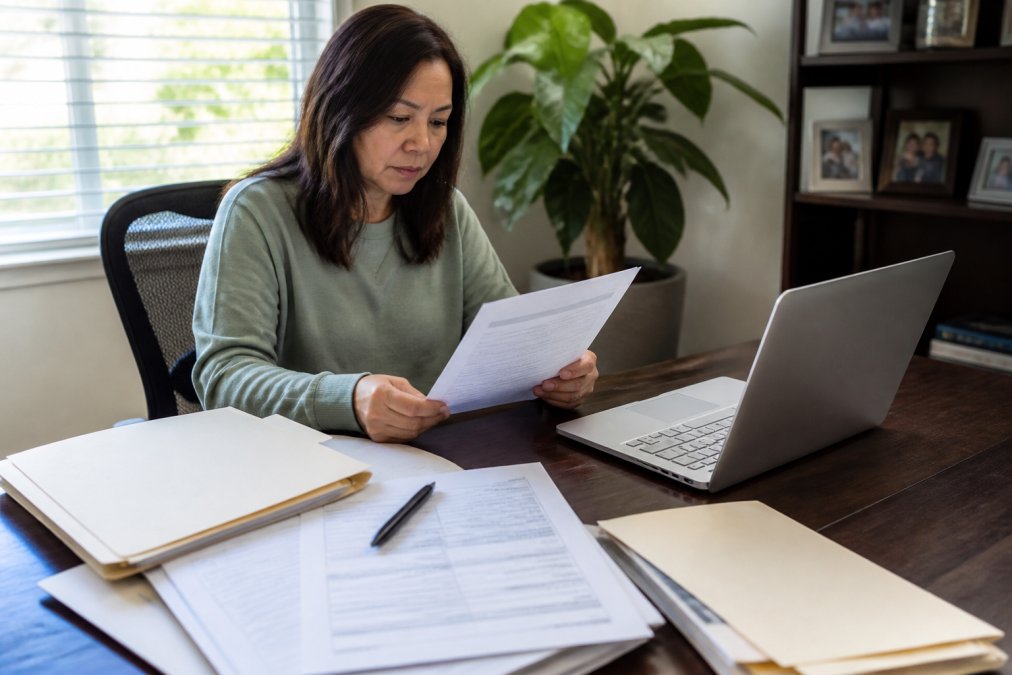
Where to send it
The Medical Board accepts complaints in writing. You can file by mail or, when available, through the DCCA’s online complaint intake. Confirm the current mailing address and any online portal by calling the board directly before you send anything, the board’s consumer-facing website has been criticized for lacking a reliable online submission portal, which creates real barriers for patients trying to report negligence, according to Consumer Reports Advocacy.
What your complaint must contain
A board complaint is not a narrative essay. It is a regulatory filing. Include:
- Your full legal name, mailing address, phone number, and email
- The physician’s full name and, if you have it, their license number (you can look this up through the DCCA’s license search)
- A clear, chronological statement of the facts, dates, locations, what was done or not done
- Copies of supporting documents (never originals)
- Your signature and the date
How to write the statement of facts
Boards respond to timelines, not anger. Write in plain language and stick to what you can prove:
- Who treated you (names, credentials, facility)
- When each relevant event occurred (dates and times)
- What was done or omitted
- How it harmed you (symptoms, additional treatment, lasting effects)
Before you mail anything, make a complete photocopy of your entire complaint packet and keep it. If the board later says a document is missing, you can prove what you sent and when.
What the board can and cannot do at this stage
Filing a complaint does not start a lawsuit, and it does not entitle you to money. The board’s authority is over the physician’s license, it can investigate, discipline, restrict, or revoke. It cannot order the physician to pay you. If compensation is your goal, that runs through a separate civil claim (covered below).
What Happens After You File: The Investigative Process
Once the board receives your complaint, it does not immediately open a formal case. It screens the complaint first. Understanding that sequence, and the realistic timeline, is the part most guides skip.
Stage 1: Intake and screening
The board reviews your submission to determine whether it alleges a violation the board has jurisdiction over. Not every complaint qualifies. The board oversees physician licensure and professional conduct; it does not adjudicate billing disputes, personality conflicts, or disagreements over a diagnosis that fall within the standard of care.
Stage 2: Investigation
If the board opens a case, it may:
- Request the physician’s treatment records
- Interview you, the physician, and any witnesses
- Consult independent medical experts to assess the standard of care
- Give the physician an opportunity to respond in writing
This is a regulatory compliance process, not a trial. There is no jury, no cross-examination, and no damage award. The board’s job is to decide whether the physician’s conduct warrants discipline, not to determine whether you were harmed in a compensable sense.
Stage 3: Disposition
Possible outcomes include:
- No action, the board finds no violation or insufficient evidence
- Private reprimand, a non-public disciplinary action
- Public disciplinary action, a formal finding, often published
- License restrictions, limits on the physician’s practice
- License suspension or revocation, the most serious outcomes
The board can also impose conditions such as monitoring, continuing education, or practice restrictions short of suspension.
How long it takes
Board oversight moves slowly because cases are reviewed carefully and the burden of proof differs from a courtroom. A realistic expectation is months, not weeks, and complex cases can run longer. The board is not obligated to resolve your complaint on your preferred timeline, and there is no statutory deadline that forces a quick decision.
Do not assume a board complaint will get you compensated. The board disciplines physicians; it does not pay victims. If you want money for medical bills and damages, you need a separate legal claim, and that claim has its own strict deadlines.
What a board complaint can do for a lawsuit
Even though the two processes are separate, they can reinforce each other. A board finding of misconduct creates an official record that can support a civil claim. Conversely, a civil claim does not require a board complaint to proceed. You can pursue either, both, or neither, but the deadlines on the civil side are unforgiving, so do not wait for the board to finish before talking to a malpractice attorney.
The Difference Between a Board Complaint and a Malpractice Lawsuit
These two paths serve different goals, and confusing them costs people time.
| Feature | Board Complaint | Malpractice Lawsuit |
|---|---|---|
| Who decides | Licensing board | Judge or jury |
| Goal | Discipline the physician | Compensate the victim |
| Money awarded | No | Yes |
| Standard | Professional conduct | Negligence and harm |
| Your lawyer needed | Not required | Strongly advised |
Statute of Limitations for Medical Malpractice in Hawaii
The statute of limitations for medical malpractice in Hawaii limits how long you have to file a lawsuit. Miss the deadline and you lose your right to sue, no matter how strong your case.
Finding a Medical Malpractice Attorney in Honolulu
Hiring the right attorney changes the outcome of a case. Look for someone who handles medical malpractice full time and knows the local courts.
Ask these questions before you hire:
- How many malpractice cases have you taken to trial?
- Do you work on contingency?
- Who handles the investigation?
- How often will I hear from you?
A board complaint protects the public. A lawsuit protects you. For the second goal, you need a lawyer who has actually tried these cases.
Common Mistakes to Avoid When Reporting Medical Negligence to Hawaii State Boards
Most failed complaints share the same handful of errors. Avoid these and your case stands a far better chance.
- Waiting too long. Deadlines are strict, and delay weakens evidence.
- Sending originals instead of copies. You may never get them back.
- Writing an emotional rant instead of facts. Boards respond to timelines, not anger.
- Skipping documentation. A complaint without records gets dismissed.
- Expecting money from the board. That is not what the board does.
- Handling everything alone. A lawyer can coordinate both the complaint and the lawsuit.
Frequently Asked Questions
How do I file a formal complaint against a physician in Hawaii?
To file a formal complaint, submit a written statement to the DCCA Professional and Vocational Licensing division. Include your name, the physician’s name, dates of care, and a detailed description of the negligence. Attach copies of medical records and any correspondence. While the Hawaii Medical Board website may not offer online submission, you can mail or deliver your complaint to the DCCA office in Honolulu. For guidance, consult a medical malpractice attorney.
What is the role of the Hawaii Medical Board in cases of negligence?
The Hawaii Medical Board, under the DCCA, licenses physicians and investigates complaints of professional misconduct or negligence. Its primary role is to protect the public by ensuring physicians meet standards of care and ethical practice. If negligence is found, the board can take disciplinary action, including license revocation. However, the board does not award financial compensation to patients; that requires a separate civil lawsuit.
Does filing a complaint with the state board result in financial compensation?
No. Filing a complaint with the Hawaii Medical Board or DCCA does not result in financial compensation. The board’s purpose is to discipline physicians and protect the public, not to award damages. To recover compensation for medical expenses, lost wages, and pain and suffering, you must file a medical malpractice lawsuit in civil court. An attorney can help you pursue both avenues if appropriate.
What information is required to submit a complaint to the DCCA?
To submit a complaint to the DCCA, provide your full name and contact information, the physician’s full name and practice location, a clear description of what happened (including dates), and copies of relevant medical records. You should also include any evidence of negligence, such as expert opinions or witness statements. The DCCA may request additional information during the investigation.
Reporting medical negligence takes courage, and the process can feel stacked against you. Cummings Law helps patients turn that frustration into real recovery. The firm investigates your case thoroughly, gathers the evidence, and guides you through every step without upfront fees. If a physician’s negligence harmed you, call Cummings Law for a consultation and find out what your case is worth.