Table of Contents
- Why Hiring a Local Lawyer Matters After a Tourist Accident
- Understanding the Statute of Limitations for Personal Injury in Hawaii
- How Contingency Fee Agreements Work for Out-of-State Clients
- Steps to Take Immediately After Your Accident
- How to File a Personal Injury Claim as a Tourist
- Proving Liability and Recovering Compensation
- Finding the Right Attorney for Your Case
Last Updated: August 23, 2026
Why Hiring a Local Lawyer Matters After a Tourist Accident
When injured in an accident while visiting, hiring a local lawyer is essential. You must navigate unfamiliar court systems and face insurance companies that know the terrain far better than you do. A local attorney becomes your advocate in a jurisdiction where you have no established presence or understanding of how cases move through the system.
The stakes are higher for tourists than residents. According to Hawaii Department of Health data on visitor fatalities, non-residents make up 53% of all drowning victims in Hawaii, and snorkeling accounts for 42% of tourist ocean deaths. The Queen’s Medical Center research on visitor trauma admissions found that visitors, while representing only 12.6% of the population on any given day, comprised 44.2% of total admissions for water-related injuries.
After injury, insurance adjusters will contact you. They’re trained negotiators working to minimize payouts. You’re injured, in pain, far from home, and managing unfamiliar medical systems. A local attorney levels this imbalance. At Cummings Law, we handle these cases because we understand both the vulnerabilities tourists face and Hawaii’s legal system. We know how cases settle here, which judges handle what claims, and the insurance companies’ playbook from hundreds of cases.
Understanding the Statute of Limitations for Personal Injury in Hawaii
Your window to file a claim is limited. Hawaii imposes a two-year statute of limitations on most personal injury cases, meaning you have exactly 24 months from the date of your injury to file a lawsuit (courts.state.hi.us). After that deadline passes, your case is gone forever.
This deadline creates urgency for tourists. If you’re injured and fly home to recover, those two years tick away while managing your injury and medical bills. Many tourists delay contacting an attorney because they’re focused on healing. By the time they realize they need legal help, months have passed. Contacting an attorney early protects your right to pursue compensation if negotiations stall.
The statute of limitations applies regardless of residency status. Being a tourist doesn’t extend the deadline. It’s the same two years for everyone. The first step after an accident should be documenting what happened and contacting a local lawyer, even if you’re unsure whether you have a case. A consultation costs nothing. Losing your case because the deadline passed costs everything.
How Contingency Fee Agreements Work for Out-of-State Clients
One of the biggest barriers for tourists is cost. You’re already facing medical bills, lost wages, and travel disruptions. Contingency fee arrangements solve this: your attorney only gets paid if you win your case or reach a settlement. If you lose, you owe nothing.
For out-of-state clients, this arrangement is essential. You can’t pay retainers or hourly fees while managing recovery from afar. A contingency fee structure means your lawyer has skin in the game, they only make money if they secure compensation for you. This aligns your interests perfectly.
Your attorney investigates the accident, gathers evidence, communicates with the insurance company, and negotiates on your behalf. If a settlement is reached, the attorney’s fee is typically a percentage of the recovery. Court costs and investigation expenses are also deducted from the settlement before you receive your portion. You never pay these costs upfront.
This structure protects you from financial risk while ensuring your lawyer is motivated to fight hard. At Cummings Law, we work on contingency for most personal injury cases because it’s the right model for clients already struggling with accident-related expenses. We’ve recovered over $47 million for clients in recent years.
Steps to Take Immediately After Your Accident
The moments and hours after an accident determine what evidence survives. If you’re injured and able to act, these steps matter.
1. Seek Medical Attention First
Your health comes before anything else. Call 911 or have someone take you to the nearest emergency room. Document that you sought immediate medical care, which supports your claim that the injury was serious. Get the names of medical professionals who treated you and the facility.
2. Report the Accident to the Property Owner or Operator
If injured at a resort, rental car company, tour operator, or other business, report the incident to management immediately. Ask them to file an incident report and request a copy. Get names and contact information of anyone who assisted you or witnessed the accident.

3. Document the Scene
Take photographs and videos of the location where you were injured. Capture the condition of the area, wet floors, broken railings, poor lighting, uneven pavement. Photograph from multiple angles. Document warning signs or their absence. Take photos of your injuries as they develop over following days and weeks.
4. Collect Witness Information
Get names, phone numbers, and email addresses of anyone who saw the accident. Witnesses provide independent accounts that carry more credibility than yours with insurance adjusters. Write down what they told you while it’s fresh.
5. Preserve Physical Evidence
If clothing was damaged or equipment was involved in the accident, preserve it. Don’t wash clothes or discard items. Photograph them as they are. This evidence may be needed later to prove negligence.
6. Keep Detailed Records
Document everything from the moment of injury forward. Write down dates, times, and details of medical appointments. Keep all medical bills, prescriptions, and receipts. Note how the injury affects your daily life, pain levels, activities you can’t do, and sleep disruption. This documentation becomes crucial when calculating damages.
7. Do Not Sign Anything Without Legal Review
Insurance adjusters will contact you, often within days. They may ask you to sign a medical release or settlement agreement. Do not sign anything without having an attorney review it first. Insurance companies use these documents to limit liability.
How to File a Personal Injury Claim as a Tourist
Filing a personal injury claim as a tourist involves steps that differ slightly from what a local resident would do, primarily because you’re managing the process from another state.
Step 1: Notify the Responsible Party’s Insurance Company
Your attorney will send a demand letter to the insurance company of the property owner, business, or driver responsible for your injury. This letter outlines what happened, the injuries you sustained, your medical expenses, and the compensation you’re seeking. The insurance company typically has 30 days to respond.
Step 2: Provide Documentation
You’ll need to submit medical records, bills, proof of lost wages, and other supporting documentation. Your attorney handles collecting and organizing these materials. Medical records are sent electronically, and you can provide documentation remotely. handling travel emergencies.
Step 3: Negotiate
The insurance company will typically respond with a lower offer. Negotiation begins. Your attorney knows the reasonable settlement range for cases like yours based on local precedent. The goal is fair compensation for medical expenses, pain and suffering, and lost wages.
Step 4: Settlement or Litigation
Most cases settle during negotiation. If the insurance company refuses fair compensation, your attorney files a lawsuit. You don’t need to be physically present for most of the process. Your attorney represents you in court. You may need to provide a deposition or testify at trial, but these can often be conducted remotely or scheduled when you’re able to travel back.
The timeline varies. Simple cases with clear liability might settle within 3-6 months. Complex cases can take 1-2 years or longer. Your attorney will manage expectations and keep you informed throughout.
Proving Liability and Recovering Compensation
Liability is the legal responsibility for the accident. To recover compensation, you must prove that the defendant was negligent, they failed to exercise reasonable care, and that failure caused your injury.
In Hawaii, the standard is straightforward: did the defendant have a duty to protect you from harm, did they breach that duty, and did that breach cause your injury? A resort has a duty to maintain safe premises. If a handrail is broken and you fall, that’s a breach. If the fall causes your injury, there’s causation.
Premises liability cases require showing that the property owner knew or should have known about the hazard and failed to fix it or warn you. A wet floor without a warning sign is negligence. A poorly maintained staircase is negligence. A tour operator who doesn’t properly screen snorkeling participants for health risks could be liable if they failed to warn or screen.
Motor vehicle accidents are often simpler to prove. If the other driver violated traffic laws or drove recklessly, liability is usually clear.
Compensation includes medical expenses covering all treatment related to the injury, lost wages for income you couldn’t earn while recovering, and pain and suffering for physical pain and emotional distress. In serious cases, punitive damages may apply if the defendant’s conduct was particularly reckless.
At Cummings Law, we’ve recovered significant compensation for clients, including a $15 million case, a $10 million case, and a $2.75 million case, among many others.
Finding the Right Attorney for Your Case
Not all personal injury attorneys are the same. Some specialize in specific types of cases. Some have strong settlement track records. Finding the right fit matters, especially when managing the case from out of state.
What to Look For
Start with experience handling cases like yours. Specialization matters because legal and factual issues differ significantly across accident types.
Look at track record. You want someone with proven ability to negotiate aggressively and, if necessary, take cases to court.
Check whether the attorney works on contingency. This is standard for personal injury work. You should never pay upfront fees or hourly rates. The attorney’s compensation should come from your recovery.
Verify that the attorney is licensed in Hawaii and in good standing with the State Bar. An attorney licensed in another state cannot represent you in Hawaii courts unless they associate with a Hawaii-licensed attorney.
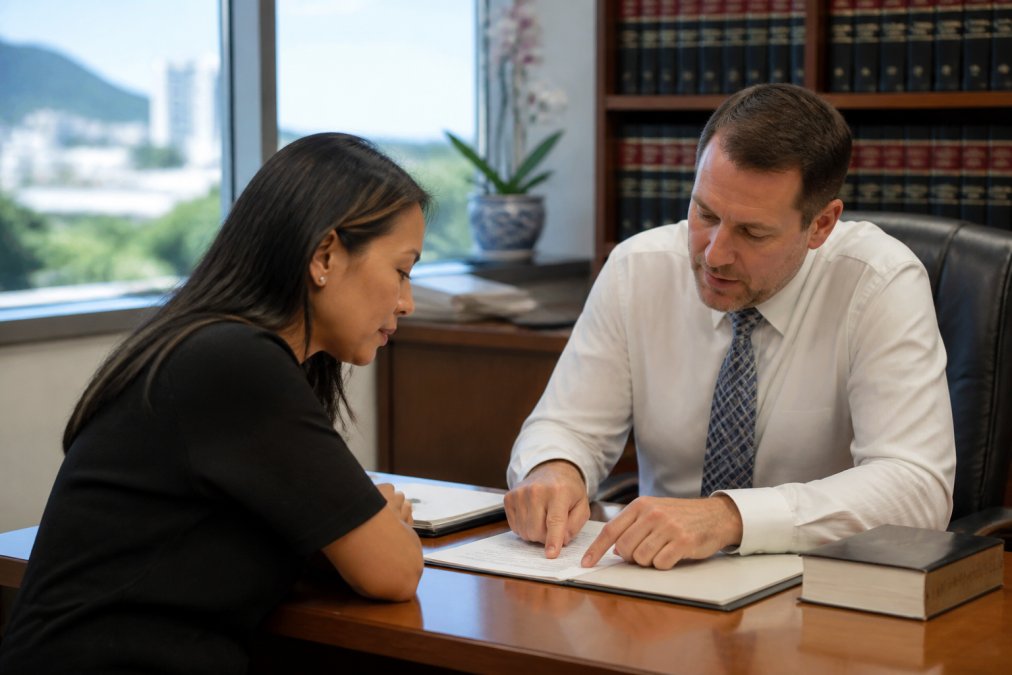
Questions to Ask During a Consultation
How many cases like mine have you handled? Have you handled cases involving out-of-state clients before? How do you communicate with clients who aren’t local? What’s your fee structure? Who handles the day-to-day work on my case? If my case goes to trial, will you try it? How long do cases like mine typically take?
Why Local Matters
A local attorney knows the judges, how cases move through the local court system, and has relationships with local insurance adjusters. They understand Hawaii law nuances and local precedent. They know which medical providers are respected by juries and which experts are credible. This local knowledge translates directly to better outcomes.
Cummings Law is based in Honolulu and has handled hundreds of personal injury cases in Hawaii courts. We know the system intimately and what cases are worth based on local standards. That expertise matters.
Getting injured while traveling is traumatic. The legal process that follows shouldn’t be. When facing medical bills, pain, and uncertainty about your future, you need an attorney who understands both the legal complexities of your case and the unique challenges of managing it from out of state. At Cummings Law, we’ve helped hundreds of injured clients recover the compensation they deserve. We work on contingency, meaning you pay nothing unless we win. Our track record speaks for itself: over $47 million recovered for clients in recent years. If you’ve been injured in an accident in Hawaii, call for a consultation. Let us investigate your case, negotiate with insurance companies, and fight for the compensation you’re entitled to. Your recovery is our mission.
| Step | Timeline | Key Action |
|---|---|---|
| Immediate (0-48 hours) | First 2 days | Seek medical care, report incident, document scene, collect witness info |
| Documentation (1-2 weeks) | Days 3-14 | Preserve evidence, keep detailed records, contact attorney |
| Claim Filing (2-4 weeks) | Weeks 2-4 | Attorney sends demand letter to insurance company |
| Negotiation (4-12 weeks) | Weeks 4-12 | Insurance company responds, settlement discussions begin |
| Resolution (3-24 months) | Months 3-24 | Settlement reached or litigation filed if necessary |
=== FAQ ANSWERS (audit these too, same rules) ===
[1] Q: What is the statute of limitations for filing a personal injury claim in Hawaii?
A: Hawaii imposes a two-year statute of limitations on most personal injury cases. This means you have two years from the date of your accident to file a lawsuit. As a tourist, this deadline is critical, contact an attorney as soon as possible after your accident to ensure your claim is filed within this window. Missing this deadline could result in losing your right to compensation entirely.
[2] Q: How do contingency fee agreements work for out-of-state clients?
A: A contingency fee arrangement means you pay no upfront fees or court costs. Your attorney only receives payment if your case is settled or won, taking a percentage of your compensation. This structure works the same for out-of-state clients as it does for residents. You avoid financial risk while ensuring your lawyer is motivated to recover the maximum compensation for your medical expenses, pain and suffering, and lost wages.
[3] Q: Can I hire a lawyer from my home state for an accident that happened in Hawaii?
A: While you could theoretically hire an out-of-state attorney, hiring a local lawyer familiar with Hawaii law is strongly recommended. A local attorney understands Hawaii’s specific negligence standards, premises liability rules, and how local courts and insurance adjusters operate. They have established relationships with medical experts and investigators in the area, which can significantly strengthen your case and improve your settlement outcome.
[4] Q: What evidence should I collect immediately after a tourist accident?
A: Preserve evidence at the scene: take photos of the accident location, your injuries, and any hazards involved. Get contact information from witnesses. If possible, obtain the incident report from police or the property owner. Keep all medical records, receipts for treatment, and documentation of lost wages. Preserve any clothing or equipment involved. This evidence preservation is crucial for proving liability and establishing the full extent of your damages when you file a personal injury claim as a tourist.
Frequently Asked Questions
What is the statute of limitations for filing a personal injury claim in Hawaii?
Hawaii imposes a two-year statute of limitations on most personal injury cases. This means you have two years from the date of your accident to file a lawsuit. As a tourist, this deadline is critical, contact an attorney as soon as possible after your accident to ensure your claim is filed within this window. Missing this deadline could result in losing your right to compensation entirely.
How do contingency fee agreements work for out-of-state clients?
A contingency fee arrangement means you pay no upfront fees or court costs. Your attorney only receives payment if your case is settled or won, taking a percentage of your compensation. This structure works the same for out-of-state clients as it does for residents. You avoid financial risk while ensuring your lawyer is motivated to recover the maximum compensation for your medical expenses, pain and suffering, and lost wages.
Can I hire a lawyer from my home state for an accident that happened in Hawaii?
While you could theoretically hire an an out-of-state attorney, hiring a local lawyer familiar with Hawaii law is strongly recommended. A local attorney understands Hawaii's specific negligence standards, premises liability rules, and how local courts and insurance adjusters operate. They have established relationships with medical experts and investigators in the area, which can significantly strengthen your case and improve your settlement outcome.
What evidence should I collect immediately after a tourist accident?
Preserve evidence at the scene: take photos of the accident location, your injuries, and any hazards involved. Get contact information from witnesses. If possible, obtain the incident report from police or the property owner. Keep all medical records, receipts for treatment, and documentation of lost wages. Preserve any clothing or equipment involved. This evidence preservation is crucial for proving liability and establishing the full extent of your damages when you file a personal injury claim as a tourist.
This article was written using GrandRanker