Table of Contents
- Why Motorcycle Accident Legal Help Matters
- What to Do After a Motorcycle Accident: A Checklist
- Common Causes and Injuries in Motorcycle Crashes
- Hawaii Motorcycle Accident Statute of Limitations
- Motorcycle Accident Settlement Process in Hawaii
- Types of Compensation You Can Recover
- Why Legal Representation Makes a Difference
- Conclusion
Last Updated: August 26, 2026
Motorcycle accidents are among the most devastating personal injuries a rider can experience. Unlike car accidents, where passengers have airbags and metal frames for protection, motorcycle riders face the road with minimal barriers between their bodies and asphalt. In 2025, motorcycle and motor scooter fatalities accounted for about a third of all traffic deaths on Oʻahu. If you’ve been injured in a motorcycle accident, understanding your legal options and securing the right motorcycle accident legal help is critical to recovering the compensation you deserve.
This guide from Cummings Law covers everything you need to know about pursuing a motorcycle accident claim, from immediate steps after a crash to navigating Hawaii’s unique legal landscape. Whether you’re dealing with medical bills, lost income, or permanent injuries, the right legal representation can make the difference between a lowball settlement and full compensation for your damages.
Why Motorcycle Accident Legal Help Matters
Motorcycle accident victims face systemic disadvantages in the legal system. Insurance companies exploit the fact that riders lack the physical protection of car occupants by arguing that the rider’s choice to ride a motorcycle somehow contributed to their injuries.
According to research from Big Auto Accident Attorneys, Hawaii ranks as the 7th most dangerous state in the country for motorcycle riders, with a fatality rate of 106.93 deaths per 100,000 registered motorcycles. Yet motorcyclists have the same legal rights and responsibilities as any other motor vehicle operator under Hawaii law, and are consistently blamed for accidents even when another driver’s negligence was the true cause.
The average settlement for a motorcycle accident in Hawaii hovers around $70,000, with many cases falling between $15,000 and $100,000, according to Olson & Sons. However, these figures represent cases handled by experienced legal counsel. Without representation, insurance adjusters will offer far less. Industry research suggests that insurers’ first offers are often around 52% of what claims ultimately settle for when proper legal pressure is applied.
Legal representation protects you against insurance company tactics designed to deny or minimize your claim. An experienced attorney levels the playing field by understanding Hawaii’s comparative negligence laws, identifying all sources of coverage, and building an evidence-based case that forces insurers to pay what your injuries actually cost.
What to Do After a Motorcycle Accident: A Checklist
The moments immediately following a motorcycle accident are critical. Your actions in the first hours determine whether you have evidence to support your claim or gaps that insurance companies will exploit.

Immediate Steps at the Scene
Your first priority is medical care. Do not refuse treatment or delay seeking medical attention, even if injuries seem minor. Road rash, internal bleeding, and traumatic brain injuries often manifest hours or days after impact. Call 911 immediately if you or anyone else is injured.
Once safe, focus on documentation. Get the names, phone numbers, addresses, and insurance information of all drivers involved. Write down their license plate numbers and vehicle descriptions. Collect witness contact information before they leave. Report the accident to police and obtain a police report number. Police reports typically contain officer observations about fault, road conditions, and weather, critical evidence in your claim.
Take photographs of the accident scene if physically able: damage to your motorcycle, road conditions, traffic signals, skid marks, and vehicle positions. These images preserve evidence that may be altered within hours. If you cannot take photos, ask a witness or first responder to do so.
Documentation and Evidence Collection
Medical records form the foundation of your personal injury claim. Every treatment, test, and prescription becomes part of your damages calculation. Do not skip follow-up appointments or rehabilitation, even if you feel better. Insurance companies interpret gaps in treatment as evidence that your injuries weren’t serious.
Maintain detailed records of all expenses: medical bills, pharmacy receipts, transportation costs to appointments, and equipment needed for recovery. These out-of-pocket costs are recoverable damages.
Document lost wages by providing your employer with written requests for documentation of missed time and your hourly rate or salary. If self-employed, gather bank statements and client records showing lost income. This evidence directly translates into compensation.
Preserve all communications with insurance adjusters. Do not sign any settlement offers without legal review. Insurance companies often contact injured riders directly, knowing most lack representation. Their initial offers are designed to close your case quickly and cheaply, not to compensate you fairly.
Common Causes and Injuries in Motorcycle Crashes
The most common causes of motorcycle accidents involve other drivers’ negligence: left-turn violations where drivers fail to see approaching motorcycles, unsafe lane changes, and drivers opening car doors into traffic. Road hazards like potholes and debris pose unique dangers to motorcycles because riders cannot safely swerve or brake as abruptly as car drivers without losing control.
Motorcycle accident injuries are categorically different from car accident injuries because riders have no protective shell. Road rash, severe abrasion injuries where skin is scraped away by friction with pavement, is nearly universal in motorcycle crashes. Traumatic brain injuries occur frequently, even in low-speed accidents. Spinal cord injuries can result in permanent paralysis. Bone fractures are common and often complex, requiring surgery and extended rehabilitation.
According to research from the National Safety Council, motorcyclists accounted for 15.5% of all traffic fatalities and 3.4% of all injuries in the United States in 2023, despite making up only 3% of all registered vehicles. Unhelmeted riders face worse outcomes: average medical charges were almost 50% higher for unhelmeted riders ($40,217) compared to helmeted riders ($27,176), according to research published by the NIH.
Delaying medical treatment or failing to document your injuries systematically will devastate your claim value. Insurance companies treat gaps in treatment as evidence that your injuries were exaggerated or have resolved. Start medical documentation immediately and maintain comprehensive records throughout your recovery.
Hawaii Motorcycle Accident Statute of Limitations
Hawaii law gives you exactly two years to file a lawsuit for personal injuries, including motorcycle accident claims. This deadline is established under Hawaii Revised Statutes § 657-7. Missing this deadline renders your claim worthless; courts will not extend it except in extremely narrow circumstances that almost never apply to accident cases.
The statute of limitations begins on the date of the accident, not the date you discovered your injuries. If you were injured on January 1, 2024, your deadline to file suit is January 1, 2026, regardless of when you realized the full extent of your injuries. This is why immediate consultation with an attorney is critical. An experienced firm will calendar your deadline and ensure that suit is filed well in advance if settlement negotiations stall.
Motorcycle Accident Settlement Process in Hawaii
The settlement process typically unfolds in stages. Most motorcycle accident claims settle without trial, but the settlement amount depends entirely on how aggressively your attorney negotiates with the insurance company.
Insurance Claims and Liability
After your accident, the at-fault driver’s insurance company will contact you or your medical providers. This is when many accident victims inadvertently harm their own claims. Insurance adjusters are trained to extract statements that minimize liability or fault.
The correct response to contact from an insurance adjuster is: "I have retained an attorney. Please direct all communications to my counsel." Then provide your attorney’s contact information. This single statement protects you from saying something that weakens your claim. (Source: Hawaii’s comparative negligence laws)
Your attorney will handle all communications with the insurance company, including the formal demand for settlement. The demand letter presents evidence of liability, documents your injuries and damages, and proposes a settlement amount. Insurance companies almost never accept the first demand; they respond with a counteroffer significantly lower than your attorney’s request. Negotiation continues through multiple rounds until either a settlement is reached or your attorney files suit.
Hawaii’s no-fault insurance system requires your own insurance company to cover your medical expenses up to your policy limits, regardless of who caused the accident. However, this no-fault coverage does not prevent you from suing the at-fault driver for damages beyond your medical bills, such as pain and suffering and lost wages.
Comparative Negligence and Your Recovery
Hawaii follows a modified comparative negligence standard, which means that even if you were partially at fault for the accident, you can still recover damages as long as your fault is not greater than the negligence of the person or persons against whom recovery is sought. However, your recovery is reduced by your percentage of fault. If you were 20% at fault and your total damages are $100,000, you can recover $80,000.
Insurance companies will argue that your choice to ride a motorcycle, your speed, your lane position, or your failure to anticipate another driver’s negligence contributed to the accident. These arguments are designed to inflate your comparative fault percentage and reduce your settlement. An experienced attorney counters these arguments with evidence and expert testimony, protecting your recovery.
Hawaii’s comparative negligence law means you can recover even if you were partially at fault, but your settlement is reduced by your percentage of fault. Insurance companies will inflate your fault percentage to minimize their payout; aggressive legal representation protects your recovery.
Types of Compensation You Can Recover
Motorcycle accident settlements compensate you for both economic and non-economic damages. Economic damages include medical expenses, lost wages, and rehabilitation costs. Non-economic damages include pain and suffering, emotional distress, and loss of enjoyment of life.
Medical expenses form the foundation of your claim, including emergency room treatment, surgery, hospitalization, physical therapy, mental health counseling, and any ongoing medical care required for your recovery. If your injuries require lifelong care, your settlement includes the estimated cost of that care over your lifetime.
Lost wages compensate you for income you lost while recovering. If employed, your attorney will document your hourly rate or salary and the time you missed work. If self-employed, lost wages are calculated using tax returns and business records. For serious injuries, lost wages extend to lost earning capacity, the difference between what you would have earned in your career without the injury and what you can realistically earn post-injury.
Pain and suffering damages are the most contested component of settlements. Insurance companies argue that pain and suffering should be minimal, while your attorney argues that your injuries caused significant suffering and permanent disability. Experienced attorneys use comparable case outcomes, medical evidence, and expert testimony to establish pain and suffering values that reflect the true impact of your injuries.
Permanent scarring and disfigurement are separately compensable. Road rash injuries often leave permanent scars, and facial injuries may require cosmetic surgery. Wrongful death claims arise when a motorcycle accident results in death, allowing surviving family members to recover for the deceased’s pain and suffering before death, funeral expenses, loss of consortium, and loss of financial support.
Why Legal Representation Makes a Difference
The difference between handling your claim alone and retaining an experienced attorney is often the difference between a settlement that barely covers your medical bills and one that compensates you fairly for all your damages.
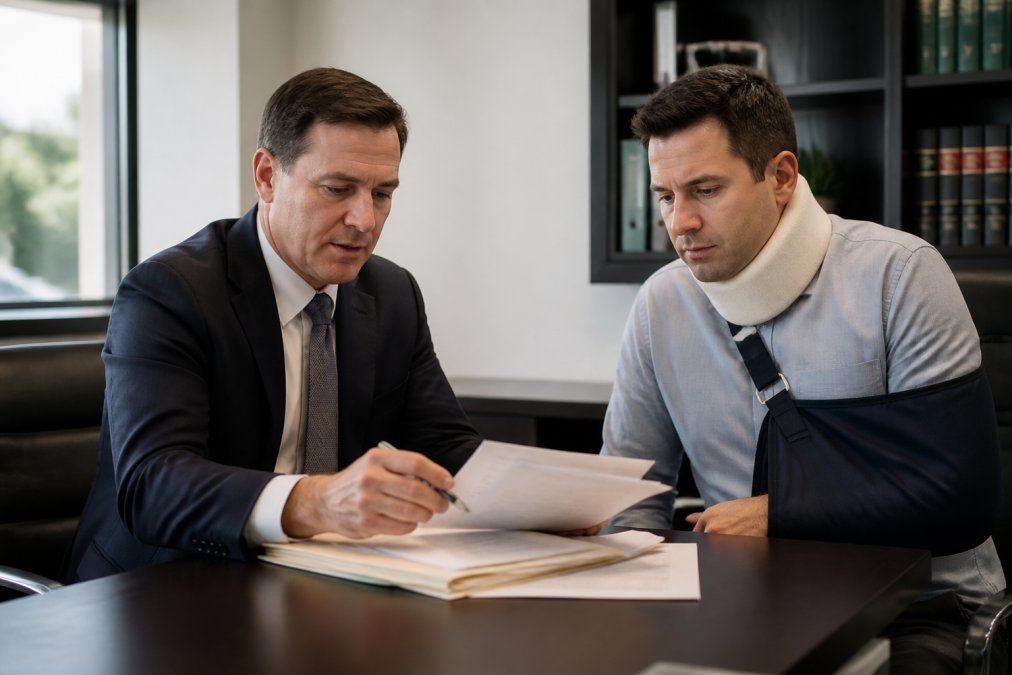
Insurance companies have sophisticated systems for evaluating claims and negotiating settlements. They employ adjusters, nurses, and attorneys whose job is to minimize payouts. When you face this machinery alone, you are at a profound disadvantage. You lack the legal knowledge to identify all sources of coverage, the negotiation experience to push back against lowball offers, and the credibility that comes from having an attorney who can file suit.
Cummings Law has obtained over $47,000,000 for clients in recent years, including settlements of $15 million, $10 million, $2.75 million, and $1.995 million. These results reflect the firm’s commitment to aggressive negotiation and, when necessary, litigation.
An experienced attorney also identifies sources of coverage that you would miss. Rental motorcycle companies carry liability insurance. Bars and restaurants may carry dram shop insurance if the accident involved an intoxicated driver. Government entities carry insurance for accidents involving government vehicles. Your attorney systematically identifies all potential sources of recovery.
The contingency fee arrangement, where your attorney is paid only if you win, aligns your attorney’s interests with yours. Cummings Law charges contingency fees, meaning you pay no upfront costs and no attorney fees unless your case is successfully resolved.
If you’ve been injured in a motorcycle accident, the time to act is now. Hawaii’s two-year statute of limitations means your window for legal recovery is closing. Cummings Law specializes in motorcycle accident cases and understands the unique challenges riders face. Contact Cummings Law for a consultation to discuss your case, review your rights, and begin pursuing the compensation you deserve. With no upfront fees and a track record of substantial recoveries, Cummings Law fights to ensure that motorcycle accident victims receive full compensation for their injuries and losses.
=== FAQ ANSWERS (audit these too, same rules) ===
[1] Q: What is the statute of limitations for filing a motorcycle accident claim in Hawaii?
A: Hawaii gives injury claimants two years to file a lawsuit under Hawaii Revised Statutes § 657-7. This deadline is critical, missing it can render your claim worthless. If you’ve been injured in a motorcycle accident, don’t delay in seeking legal representation. An attorney can help ensure all deadlines are met and your case is properly filed within the required timeframe.
[2] Q: How much compensation can I expect from a motorcycle accident settlement?
A: Settlement amounts vary widely based on injury severity, medical expenses, lost wages, and liability factors. Your actual compensation depends on the specific details of your accident and the strength of your legal claim.
[3] Q: Do I need a lawyer if I was injured in a motorcycle accident?
A: While you have the legal right to handle a claim yourself, insurance companies often offer significantly less than claims ultimately settle for, typically around 52% of final settlement value. An experienced motorcycle accident attorney can investigate your case thoroughly, gather evidence, negotiate with insurance adjusters, and fight for your full compensation. Most personal injury lawyers work on contingency, meaning you pay no upfront fees if they don’t win your case.
[4] Q: What damages can I recover after a motorcycle accident in Hawaii?
A: You can recover compensation for medical expenses, lost wages, pain and suffering, rehabilitation costs, and future earnings if your injuries prevent you from working. Hawaii also recognizes damages for scarring, loss of consortium, and wrongful death claims. Unhelmeted riders face higher medical costs, studies show unhelmeted riders incur nearly 50% higher medical charges ($40,217 vs. $27,176 for helmeted riders), which affects your overall claim value.
[5] Q: How long does the motorcycle accident settlement process take in Hawaii?
A: The timeline varies depending on case complexity and whether litigation is necessary. Simple claims may settle within months, while complex cases involving serious injuries or disputed liability can take 1-2 years or longer. Your attorney can provide a more specific estimate after reviewing your case details. The key is acting quickly, Hawaii’s two-year statute of limitations means delays reduce your recovery window.
Frequently Asked Questions
What is the statute of limitations for filing a motorcycle accident claim in Hawaii?
Hawaii gives injury claimants two years to file a lawsuit under Hawaii Revised Statutes § 657-7. This deadline is critical, missing it can render your claim worthless. If you've been injured in a motorcycle accident, don't delay in seeking legal representation. An attorney can help ensure all deadlines are met and your case is properly filed within the required timeframe.
How much compensation can I expect from a motorcycle accident settlement?
Settlement amounts vary widely based on injury severity, medical expenses, lost wages, and liability factors. Your actual compensation depends on the specific details of your accident and the strength of your legal claim.
Do I need a lawyer if I was injured in a motorcycle accident?
While you have the legal right to handle a claim yourself, insurance companies often offer significantly less than claims ultimately settle for, typically around 52% of final settlement value. An experienced motorcycle accident attorney can investigate your case thoroughly, gather evidence, negotiate with insurance adjusters, and fight for your full compensation. Most personal injury lawyers work on contingency, meaning you pay no upfront fees if they don't win your case.
What damages can I recover after a motorcycle accident in Hawaii?
You can recover compensation for medical expenses, lost wages, pain and suffering, rehabilitation costs, and future earnings if your injuries prevent you from working. Hawaii also recognizes damages for scarring, loss of consortium, and wrongful death claims. Unhelmeted riders face higher medical costs, studies show unhelmeted riders incur nearly 50% higher medical charges ($40,217 vs. $27,176 for helmeted riders), which affects your overall claim value.
How long does the motorcycle accident settlement process take in Hawaii?
The timeline varies depending on case complexity and whether litigation is necessary. Simple claims may settle within months, while complex cases involving serious injuries or disputed liability can take 1-2 years or longer. Your attorney can provide a more specific estimate after reviewing your case details. The key is acting quickly, Hawaii's two-year statute of limitations means delays reduce your recovery window.
This article was written using GrandRanker